
Jump to:
.Hakone has always been one of my favorite escapes from Tokyo. Just a short trip from the city, its mountains and hot springs offer a peaceful retreat where I can slow down and reconnect with nature.
Over my visits, I’ve found that Hakone is best enjoyed as a connected journey rather than ticking off isolated sights, and its proximity to Tokyo makes it easy to explore in one or two days, or even over multiple trips.
From my experience, Hakone feels different in every season. In spring, cherry blossoms and fresh greenery make walks and outdoor museums enjoyable. Autumn is my favorite, with red and gold leaves lighting up Lake Ashi and the Hakone Tozan Railway. Summer’s cooler mountain air is perfect for hiking and exploring Owakudani, though mist is common. In winter, the skies are crisp, Mount Fuji is clear, and onsen baths are especially relaxing.
No matter when you go, I just think that Hakone has something to offer. Here are my favorite things to do in Hakone, along with sample one‑ and two‑day itineraries to help plan your visit.
1. Lake Ashi and Sightseeing Cruise

Lake Ashi lies at the center of Hakone’s dramatic scenery, filling the caldera of an ancient volcano. I can personally attest to the fact that the sightseeing cruise is one of the best ways to take in the landscape, offering classic views of the lake framed by forested hills and, on clear days, the unmistakable silhouette of Mount Fuji rising in the distance.
(Anyway, If you're interested in hiking Mount Fuji, I have a guide that covers all you need to prepare.)
The whimsical “pirate ship”–themed boats add a lighthearted touch to the journey while still letting the natural beauty steal the show.

2. Hakone Shrine and the Torii Gate

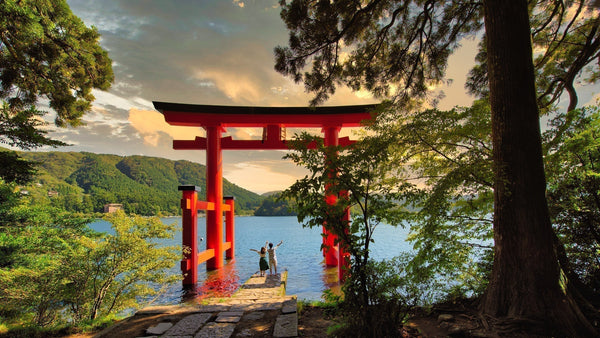
Tucked within a dense cedar forest along the edge of Lake Ashi, Hakone Shrine is one of the area’s most iconic sights. Its striking vermilion torii gate rising from the water has become a defining symbol of Hakone and a favorite subject for photographers.
Although the lakeside gate can draw crowds during peak hours, the shrine’s wooded grounds retain a calm, almost spiritual quiet. The walk along the forested approach, lined with towering cedars and soft light filtering through the canopy, is an essential part of the visit.
3. Owakudani Volcanic Valley

Owakudani showcases Hakone at its most elemental and intense. Steam billows from fissures in the earth, the air carries a sharp hint of sulfur, and the entire valley feels charged with geothermal energy. Among its quirks are the famous black eggs—hard‑boiled in mineral‑rich volcanic springs and rumored to extend your lifespan.
Visit on a breezy or windy day, as I happened to do, and the scene becomes even more dramatic, with swirling clouds and drifting steam sweeping across the rugged landscape, amplifying Owakudani’s wild, otherworldly character.
4. Hakone Ropeway

The Hakone Ropeway links Owakudani with Lake Ashi, offering wide‑open aerial views of steaming volcanic valleys, rolling forests, and, when the weather cooperates, the distant peak of Mount Fuji. Its gentle, gliding movement gives the ride a serene, almost floating quality, making it feel like an experience in its own right rather than just a way to get from point A to point B.
5. Hakone Open-Air Museum

The Hakone Open‑Air Museum is easily one of the region’s standout attractions and one of my favorite places to visit in Hakone. Framed by dramatic mountain scenery, it blends expansive outdoor sculpture gardens with well‑curated indoor galleries, including an impressive collection of works by Picasso.
The wide, open grounds encourage slow wandering, and the seamless way each artwork interacts with the surrounding nature gives the museum a character that feels distinctly Hakone.
6. Hakone Tozan Railway

Winding its way up through forested valleys and a series of sharp switchbacks, the Hakone Tozan Railway feels like a sightseeing experience as much as a mode of transport. Its steep climbs and ever‑changing seasonal scenery (lush hydrangeas blooming along the tracks in early summer and brilliant foliage lighting up the slopes in autumn) make it one of Japan’s most picturesque mountain railways.
7. Hakone Yuryo Onsen

For a truly restorative break, Hakone Yuryo provides a serene blend of communal baths and private onsen rooms set within a warm, traditional setting. Surrounded by quiet forest, it’s an inviting place to soak away the day’s fatigue, perfect for seasoned onsen fans and first‑time visitors alike.
8. Pola Museum of Art

Tucked deep within the forest, the Pola Museum of Art showcases an exceptional collection of Western and Japanese modern works. Its sleek, understated architecture seems to dissolve into the surrounding trees, creating a seamless connection between art and nature.
Gentle walking trails encircle the museum, enhancing the sense of tranquility and making it an ideal stop for a slower, more contemplative, culture‑focused day in Hakone.
9. Sengokuhara Pampas Grass Fields

In autumn, Sengokuhara transforms into a vast expanse of golden pampas grass, its tall feathery plumes swaying gently with every breeze. Paths wind through the fields, letting you walk right into the heart of the shimmering landscape.
The openness and quiet of the area create a soothing contrast to Hakone’s more concentrated sightseeing spots, making it a beautiful place to slow down and simply take in the season.
10. Hakone Checkpoint

The restored Hakone Checkpoint offers a vivid window into life along the Tokaido Road during the Edo period, when strict travel regulations governed movement in and out of the region.
Carefully reconstructed guardhouses, gates, and watchtowers help illustrate how officials inspected travelers, monitored goods, and maintained security along this vital route between Edo (Tokyo) and Kyoto. Exhibits and displays bring the era to life, making it easier to imagine the tension, formality, and daily routines that once defined this strategic outpost.
Set against views of Lake Ashi and surrounding mountains, the checkpoint provides a fascinating historical counterpoint to Hakone’s natural beauty.
11. Old Tokaido Trail

Just steps from the checkpoint, preserved stretches of the Old Tokaido Trail invite visitors to experience the journey as travelers once did centuries ago. This stone‑paved path winds through tall cedar forests and quiet hillsides, offering a peaceful, contemplative walk far removed from Hakone’s busier attractions.

The rhythmic crunch of stones underfoot and the filtered light through the trees create an atmosphere that feels almost unchanged since the Edo period. Walking even a short section of the trail gives a sense of the endurance, scenery, and solitude that shaped the experiences of merchants, samurai, and pilgrims who once passed this way.
My Recommended 1-2 Day Itinerary
So how can you make the most of your time in Hakone without overdoing it and trying to fit in too much? The sample itineraries below should give you a few good pointers, depending on how much time you have there, and whether you are a first-timer or a returnee.
One-Day Hakone Itinerary (First-Timers)
- 8:30 AM – Hakone‑Yumoto: Arrive and start your day in the town center.
- 9:00 AM – Hakone Tozan Railway: Take the scenic train up into the mountains.
- 10:00 AM – Hakone Open‑Air Museum: Spend about 1.5–2 hours exploring outdoor sculptures and indoor galleries.
- 12:30 PM – Lunch: Enjoy a local meal near Gora Station or at the museum café.
- 1:30 PM – Cable Car & Ropeway to Owakudani: Take in panoramic views of volcanic valleys and steaming vents (about 1–1.5 hours).
- 3:00 PM – Lake Ashi Cruise: Board a sightseeing boat for 30–45 minutes, catching views of the lake and Mount Fuji if the skies are clear.
- 4:30 PM – Hakone Shrine: Walk through cedar forest and see the iconic torii gate (about 45 minutes).
- 5:30 PM – Return to Hakone‑Yumoto: Take the bus or train back to Tokyo.
Two-Day Hakone Itinerary
Day One:
- Morning: Explore the Hakone Round Course with trains, ropeways, and Lake Ashi cruise (allow 3–4 hours).
- Afternoon: Continue sightseeing at Owakudani or the Hakone Open-Air Museum.
- Evening: Relax at Hakone Yuryo Onsen or your ryokan’s private baths.
Day Two:
- 9:00 AM – Pola Museum of Art: Start the day surrounded by modern and Japanese art (1–2 hours).
- 11:30 AM – Sengokuhara Pampas Grass Fields: Stroll through the open seasonal landscape (about 1 hour).
- 1:00 PM – Lunch: Nearby cafés or bento from Hakone Yumoto.
- 2:00 PM – Hakone Checkpoint: Explore Edo-period history (30–45 minutes).
- 3:00 PM – Old Tokaido Trail: Walk a preserved section through cedar forests (1 hour).
- Late Afternoon: Return to Hakone‑Yumoto or onward to Tokyo.
Discover the Timeless Appeal of Hakone
Hakone’s appeal lies not in overwhelming visitors with grand spectacles, but in the gentle variety it offers within a compact, beautifully interconnected landscape. Volcanic valleys, tranquil lakeside shrines, open‑air art installations, and soothing hot springs blend together in a way that feels unmistakably Japanese yet universally restorative.
Whether you’re here for a single day or choosing to linger overnight, Hakone encourages a slower rhythm, one where you can look outward at the shifting scenery and inward at your own pace of travel. It’s a place that rewards curiosity, unhurried exploration, and the simple pleasure of being present.
Love Japan? Start planning your adventure with our budget tips and sample costs for a trip to Japan, the smart traveler’s guide to Japan to make the most of your journey.


0 comments