

Jump to:
While apple cider vinegar drinks and fruity shrubs are common in Western countries, Japan has its own remarkably diverse world of drinking vinegar. You’ll find everything from rice vinegar and rich kurozu (Japanese black vinegar) to bright fruit varieties made with yuzu, grapefruit, blueberry, and Shine Muscat grapes.
To find out which ones actually taste best, we gathered members of the Japanese Taste team and put 10 Japanese drinking vinegars to the test. With tasters representing Asia, Europe, the Americas, and Oceania, we had plenty of different opinions at the table.

Each vinegar was rated on a scale of 1 to 5 across four main criteria:
How we decided
- FlavorHow pleasant and enjoyable the flavor was.
- SweetnessHow sweet the vinegar tasted, with 5 indicating a higher level of sweetness rather than a better score.
- AcidityHow strong, tart, or sharp the vinegar tasted, with 5 indicating greater acidity.
- OverallHow much the taster enjoyed the product as a whole.
Our tasters also selected their overall favorite, least favorite, best vinegar with sparkling water, and best vinegar with yogurt.
After tasting, rating, comparing, and debating all 10, we finally had our winners! Here are the Japanese drinking vinegars that came out on top!
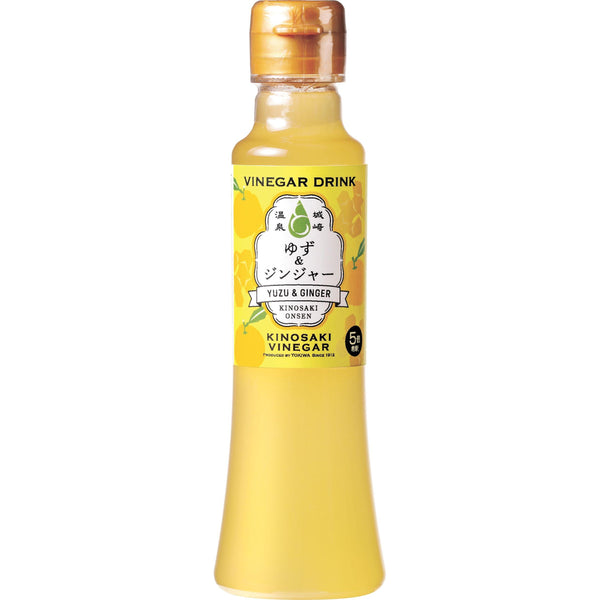
Overall Rating: 4.30/5 | Best paired with: Sparkling water
Our tasting winner pairs fragrant Japanese yuzu with the gentle warmth of Tajima-grown stork ginger for a bright, refreshing drink. Tasters praised its balance, calling it the “best flavor combo” and the ginger “refreshing,” while another liked that it was “not too bitter.”
It was also the most-selected Overall Favorite and the top choice with sparkling water.
Pros
Cons
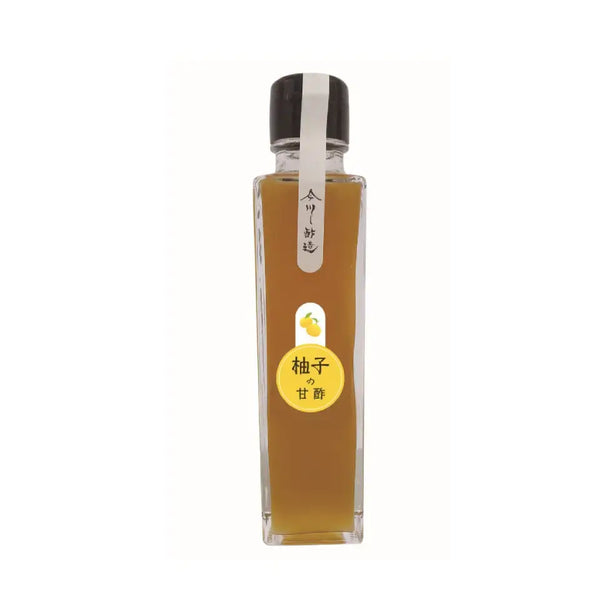
Overall Rating: 4/5 | Best paired with: Sparkling water
Coming in second, this small-batch vinegar combines Japanese yuzu juice with pure rice vinegar and beet sugar for a bright, sweet-tangy flavor.
Tasters repeatedly described it as “refreshing,” with one praising its “good yuzu smell and balanced acidity” and another noting its “natural yuzu flavor” with just a slight bitterness. It also earned the highest weighted Top 3 Favorite score in our tasting.
Beyond drinking, it works well as a salad dressing or a tangy topping for yogurt and ice cream.
Pros
Cons
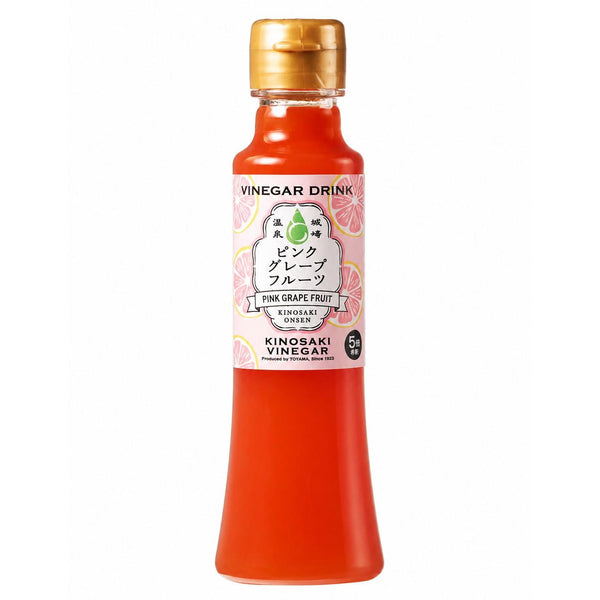
Overall Rating: 4/5 | Best paired with: Yogurt
This refreshing vinegar combines pink grapefruit juice with apple cider vinegar, sugar and honey for a sweet-tart citrus flavor with a touch of bitterness.
Tasters described it as “sweet and refreshing” and “easy to drink, like juice,” while another appreciated its mild vinegar taste. It was also the clear favorite with yogurt, receiving the most Best with Yogurt votes.
Beyond drinking, it works well drizzled over yogurt, ice cream, or shaved ice.
Note: This vinegar drink tied with Imakawa Yuzu, but ranked lower based on the Top 3 Favorite tiebreaker.
Pros
Cons
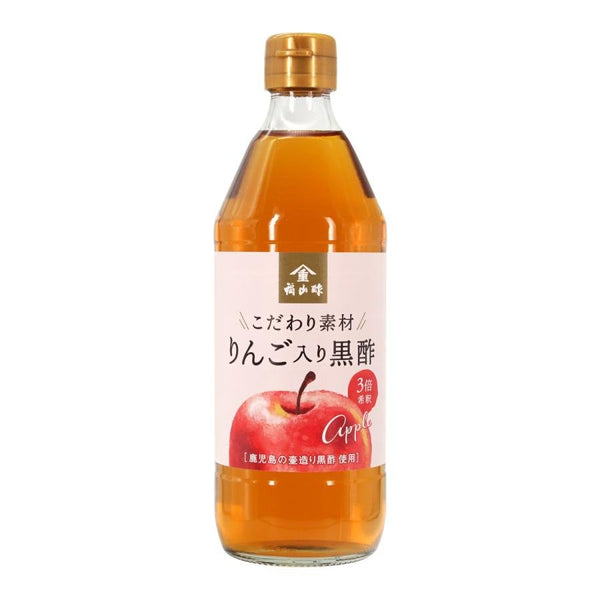
Overall Rating: 3.8/5 | Best paired with: Sparkling water
For those new to black vinegar, this fruity version is an approachable place to start. Fukuyamasu blends aged kurozu black vinegar with Japanese apple juice from Aomori, giving the deeper vinegar flavor a gentle fruity sweetness.
One taster liked the “sweetness of the apple and the aroma of the vinegar,” while another noted that they “didn’t really taste the vinegar flavor” and found it pleasantly sweet.
The generous 500ml bottle is also versatile enough for sparkling water, yogurt, salad dressings, or marinades.
Pros
Cons
Overall Rating: 3.6/5 | Best paired with: Yogurt
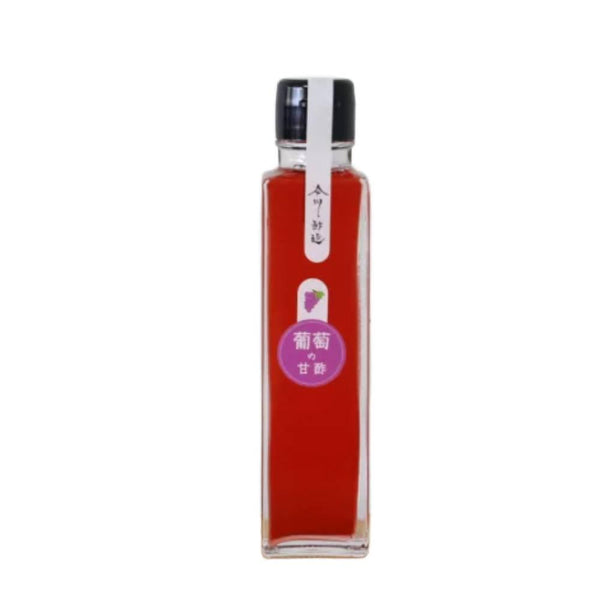
Made with large black grapes from Kaga in Ishikawa Prefecture, this Imakawa vinegar combines fruit, pure rice vinegar, and beet sugar for a richer grape profile than the brighter citrus varieties in our tasting.
Tasters had mixed reactions: one found the “vinegar flavor a bit strong,” while another chose it as their favorite with yogurt. Its versatility is a plus; try it over yogurt, mixed with milk, or drizzled over salads.
Pros
Cons
Overall Rating: 3.3/5 | Best paired with: Yogurt or sparkling water
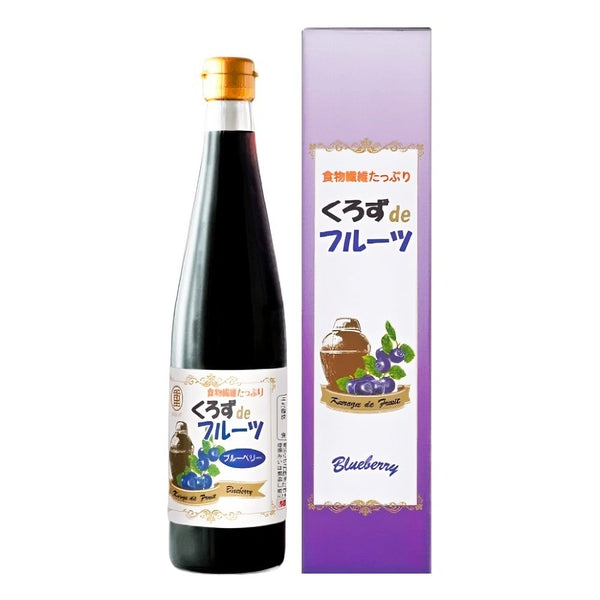
Marushige combines blueberry vinegar, rice black vinegar, concentrated blueberry juice, and brown sugar for a rich, fruity profile with more depth than the citrus varieties.
It performed especially well with yogurt, with one taster saying it “blends very well with yogurt, like a dessert.” Others found the blueberry flavor more subtle, while one noted a “strong fermented flavor,” making this a more distinctive choice for those who enjoy the deeper character of black vinegar.
It can also be diluted with sparkling water or used as a topping for yogurt and ice cream.
Pros
Cons
Overall Rating: 3.1/5 | Best paired with: Sparkling water
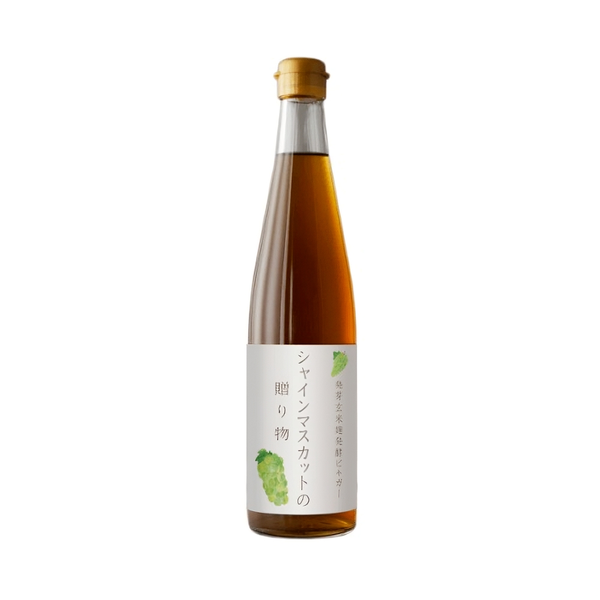
Shine Muscat grapes give this Japanese vinegar a sweet, aromatic fruit profile. Although it ranked #7 overall, this was personally my favorite!
Tasters had mixed reactions to its delicate Muscat character. Some described it as “refreshing,” “fruity,” and having a “good fruit flavor,” while others found the “Muscat flavor subtle” or said they “couldn’t really taste the Muscat flavor.” One taster also called it “unique,” which matched my own impression of its light, mellow Shine Muscat character.
It can also be used as a cocktail base or poured over yogurt and ice cream.
Pros
- Pleasant fruity Shine Muscat aroma
- Distinctive Japanese grape flavor
- Free of chemicals, artificial sweeteners, preservatives
Cons
- Flavor may be too subtle for some
- Less refreshing than citrus options
Overall Rating: 3/5 | Best with: Milk or yogurt
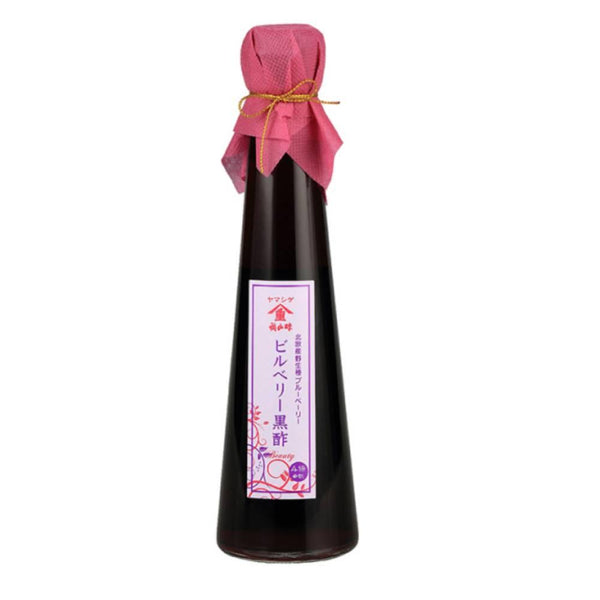
This unusual blend combines Fukuyamasu’s two-year-aged black vinegar with concentrated Northern European bilberry juice, creating a deeper, more vinegar-forward profile than the fruitier options higher on our list.
Tasters had mixed reactions. One enjoyed the “nice fruit flavors from the berries” and the vinegar’s “rich flavor,” while others found it “too strong”. Personally, this one wasn’t for me because of its pronounced black vinegar flavor, but fans of bold, rich kurozu may really enjoy it.
Mixing it with milk helps soften the acidity and creates a yogurt-like flavor, while pairing it with olive oil turns it into an easy berry vinaigrette.
Pros
- Distinctive bilberry flavor
- Made with aged black vinegar
- Useful in drinks and dressings
Cons
- Stronger vinegar character
- Less immediately approachable
Overall Rating: 3/5 | Best paired with: Sparkling water or hot water
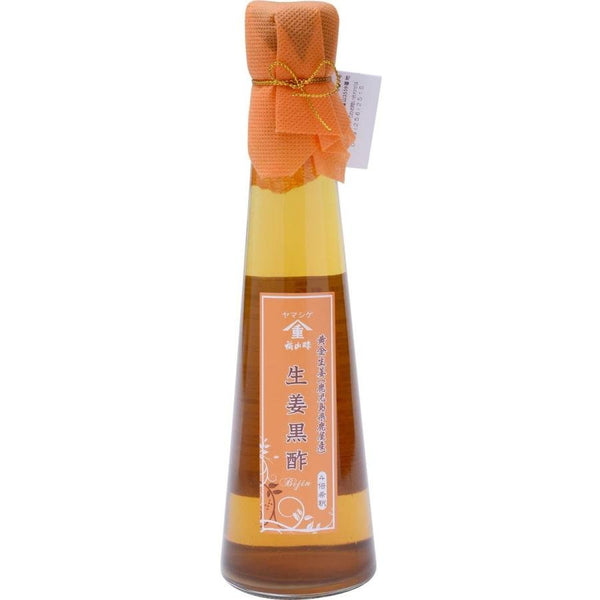
This Fukuyamasu vinegar pairs two-year-aged black rice vinegar with Kagoshima Golden Ginger for a savory, warming profile.
It is less fruit-forward than most products on our list, making it a better fit for those who already enjoy ginger and kurozu. One taster said it “warms the body,” while another simply noted, “I like ginger so I like this too.”
You can dilute it with cold, hot, or carbonated water, or use it in dressings, sauces, and stir-fries.
Note: This vinegar tied with Fukuyamasu Bilberry in overall score but ranked lower based on our Top 3 Favorite tiebreaker.
Pros
- Bold ginger flavor
- With two-year-aged black vinegar
- Excellent culinary versatility
Cons
- Stronger vinegar aroma
- Ginger can dominate the finish
Overall Rating: 1.9/5
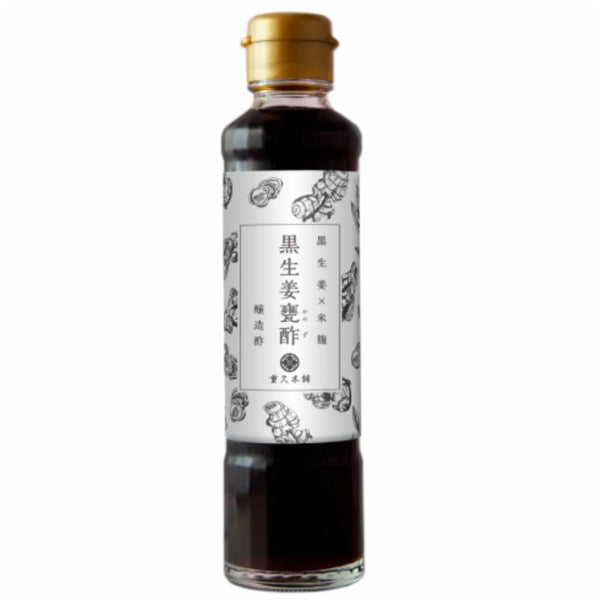
If yuzu vinegar is the friendly introduction to drinking vinegar, this is the final boss!
Marushige makes this vinegar with just rice malt and pesticide-free black ginger, with no added sugar. It is definitely bold, savory, and intensely vinegar-forward, which is easily the most divisive drink in our tasting.
With the highest number of least-favorite mentions, this one is not for the faint of heart. Tasters described it as “too strong,” “too bitter.” Still, one taster noted that it “might go well with meat and salad,” which may be where this vinegar really shines. Marushige also suggests pairing it with shochu or beer.
With no added sugar and a low calorie count, it may appeal to health-conscious vinegar lovers who prefer bold, unsweetened flavors. A friendly reminder though that this one is intense... don’t say we didn’t warn you!
Pros
- No added sugar
- Bold black ginger character
- Simple ingredient list of rice malt and black ginger
Cons
- Definitely not for everyone
- Less approachable than sweet fruit vinegars
Potential Health Benefits of Drinking Vinegar
Vinegar contains acetic acid, which has been studied for several potential health benefits. One Japanese study published in Bioscience, Biotechnology, and Biochemistry found that daily vinegar intake over 12 weeks was associated with reductions in body weight, BMI, visceral fat, waist circumference, and triglyceride levels in obese adults.
Black vinegar has also been studied for exercise-related fatigue. In a randomized controlled study published in the Journal of Physical Fitness and Sports Medicine, adults who consumed a black vinegar beverage containing acetic acid for seven days reported less physical fatigue after moderate exercise compared with a placebo group.
While these findings are promising, the studies used specific amounts of vinegar under controlled conditions. Drinking vinegar is best enjoyed as part of a balanced diet rather than viewed as a treatment, and flavored varieties containing sugar or honey may have different nutritional profiles.
Japanese Drinking Vinegar FAQs

Why do some Japanese people drink vinegar before eating?
Vinegar contains acetic acid, which has been studied for its potential effect on post-meal blood sugar. It is generally better enjoyed with food rather than on an empty stomach.
Is drinking vinegar in water good for you?
Diluted vinegar may offer some health benefits, but it should be enjoyed as part of a balanced diet. Always follow the recommended dilution ratio.
When is the best time to drink Japanese vinegar?
There is no single best time. It can be enjoyed throughout the day, preferably diluted and with or around a meal.
What is the best Japanese drinking vinegar from our taste test?
Tokiwa Yuzu & Ginger ranked first with an average Overall score of 4.30/5. It also received the most Overall Favorite votes and was voted the best option with sparkling water.
Do you drink Japanese vinegar straight?
Usually not. Many drinking vinegars are concentrated and should be diluted according to the manufacturer's directions. Some products recommend approximately three to seven parts water depending on the formula.
What can you mix with drinking vinegar?
Sparkling water is one of the easiest options, but drinking vinegar can also work with still water, hot water, milk, soy milk, yogurt, or alcoholic drinks. Some varieties double as salad dressings and dessert sauces.
Which drinking vinegar was best with sparkling water?
Tokiwa Yuzu & Ginger was the clear winner, receiving the most votes for Best with Sparkling Water.
Which was best with yogurt?
Tokiwa Pink Grapefruit received the most Best with Yogurt votes.
Final Thoughts
Our taste test showed that approachable fruit flavors had a clear advantage, particularly citrus. Tokiwa Yuzu & Ginger ultimately took first place, while Imakawa Yuzu and Tokiwa Pink Grapefruit completed a citrus-heavy top three.
However, there is no single ideal drinking vinegar for everyone. If you enjoy bright, refreshing drinks, start with yuzu or grapefruit. Berry and grape varieties offer a richer alternative, while aged kurozu and ginger-based vinegars provide a deeper, more assertive experience. And if you're feeling especially adventurous, there's always the black ginger vinegar!
Would you try any of these Japanese drinking vinegars? If you do, please leave a comment below or tag us on social media @japanesetaste and let us know which one is your favorite!