
Jump to:
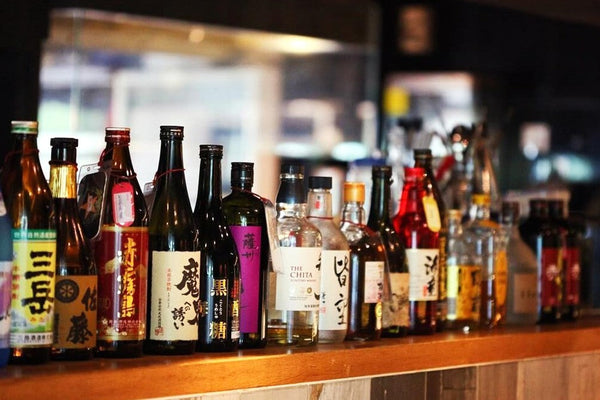
Alcohol occupies a distinctive place in Japanese daily life, whether in the lively atmosphere of an izakaya, during after-work drinks with colleagues, or in the quieter setting of sharing a bottle at home. While many people are familiar with famous names such as sake, shochu, umeshu, and Japanese whisky, these well-known drinks represent only a small part of Japan’s remarkably diverse drinking culture.
This guide offers an independently curated introduction to the world of Japanese alcohol. It explores the major categories of drinks found across Japan, explains what makes each one unique, and shows how they are enjoyed in different settings and regions.
Along the way, you’ll discover the traditions, flavors, and customs that surround them. By the end, you’ll have a clear understanding of the main types of Japanese alcoholic beverages and the role they play in everyday life, helping you navigate Japan’s drinking culture with greater confidence and appreciation.
Nihonshu (Sake)
The natural place to begin is with Japan’s most iconic alcoholic drink. Nihonshu, better known overseas simply as sake, is the country’s best-known brewed beverage, made from rice, water, koji mold, and yeast. At its finest, Nihonshu is an expression of careful craftsmanship: subtle, fragrant, and shaped by decisions that begin with the cultivation of the rice and continue through every stage of brewing.
Depending on the polishing of the rice and the brewer’s approach to fermentation, sake can range from light and floral to crisp and mineral, or from rich and earthy to delicately understated.
One of the easiest ways to understand Nihonshu is to think of it in three broad style categories:
Junmai

Junmai, or “pure rice” sake, contains no added alcohol. It is often fuller-bodied, with a richer texture and a more pronounced rice character. Many everyday sakes belong to this category, but so do some of Japan’s most distinctive craft brews.
You can buy this Junmai online. (Not available in the U.S.)
Ginjo

Ginjo is made from rice polished down to at least 60% of its original size. This produces a lighter, more aromatic style of sake, often with notes of apple, melon, pear, or white flowers. Its fresh, approachable character makes it an excellent introduction for newcomers.
You can also buy this Ginjo online. (Not available in the U.S.)
Daiginjo
 Daiginjo is considered the most refined category, made with rice polished to 50% or less of its original size. These brews are typically silky, elegant, and highly aromatic, and are often enjoyed chilled on special occasions.
Certain breweries have become especially well known for these styles, and their bottles appear frequently in restaurants and specialist shops throughout Japan. Among the best-known are Dassai, Kubota, Hakkaisan, Tedorigawa, Tsuki no Katsura, Hakutsuru, and Kokuryu (my personal favorite), each with its own interpretation of Junmai, Ginjo, and Daiginjo.
Yet these famous names are only the beginning. Across Japan, hundreds of smaller regional breweries continue to produce their own distinctive styles, reflecting local water, rice, climate, and tradition.
You can get Kubota Daiginjo, Tsuki no Katsura Daiginjo, and Hakutsuru Daiginjo here. (Not available in the U.S.)
Shochu

Where Nihonshu is brewed, delicate, and closely tied to rice, shochu comes from an entirely different tradition, one rooted in distillation, regional character, and everyday drinking. Shochu can be made from a wide range of ingredients, including sweet potato, barley, rice, brown sugar, and buckwheat, and it reflects those ingredients far more directly than sake does. Depending on its base and where it is produced, shochu may be earthy and robust, lightly fragrant, nutty and toasty, or remarkably clean and smooth.
The fundamental difference between Nihonshu and Shochu lies in the production process. Nihonshu is brewed, much like beer or wine, and generally contains around 15 percent alcohol. Shochu, by contrast, is distilled, more akin to whisky or brandy, and usually ranges from 20 to 25 percent alcohol, sometimes higher. That extra step of distillation concentrates both aroma and flavor, giving shochu a stronger structure and a clearer expression of its raw ingredients and place of origin. It also makes shochu exceptionally versatile. It can be enjoyed neat, over ice, diluted with hot water, mixed with cold water or soda, or used in the many simple cocktails served in izakaya.
Different parts of Japan are closely associated with particular styles of shochu. Kagoshima is especially famous for rich, earthy sweet-potato shochu, while Oita is known for mellow, easy-drinking barley shochu. The Amami Islands produce a unique brown-sugar shochu found nowhere else in Japan. Well-known brands such as Kurokirishima, iichiko, and Sato appear on menus throughout the country, each offering its own introduction to this diverse and deeply regional spirit.
You can get this shochu here. (Not available in the U.S.)
Japanese Whisky

Japanese whisky occupies a distinctive place in Japan’s drinking culture, combining Scottish inspiration with Japanese precision and restraint. Although its roots lie in traditional Scotch-making techniques, Japanese whisky has evolved into something unmistakably its own, shaped by Japan’s climate, water, and pursuit of balance. Where Nihonshu expresses the character of rice and koji, and shochu reflects the ingredient from which it is distilled, Japanese whisky is defined by harmony: the careful blending of aroma, texture, and finish into a single, refined whole.
Most Japanese whisky is made from malted barley, distilled in pot stills, and matured in a variety of casks. American oak and sherry casks are common, but many whisky producers also use Mizunara oak, a uniquely Japanese wood that can impart delicate notes of incense, sandalwood, coconut, and soft spice. Compared with many Western whiskies, Japanese whisky often feels lighter, cleaner, and more understated, favoring elegance and subtlety over intensity.
Unlike Nihonshu or Shochu, whisky develops over a much longer timescale. After distillation, it is aged in casks for years, sometimes decades, allowing the wood, temperature changes, and passing seasons to shape its flavor. This slow maturation gives Japanese whisky its depth and quiet complexity, and has helped earn it an international reputation for exceptional craftsmanship.
Several Japanese whiskey distilleries have become particularly famous and provide an excellent introduction to the category. Yamazaki is celebrated for rich, layered whiskies with notes of fruit and spice. Hakushu is known for a fresher, greener style often associated with forests and mountain water. Yoichi produces a more robust whisky with a hint of smoke, while Miyagikyo is admired for its softer, more fragrant character. These well-known names appear in bars and shops around the world, yet they represent only part of Japan’s whisky scene, which increasingly includes smaller craft distilleries experimenting with local grains, peat, and unusual cask types.
You can order Yamazaki Aged 12 Years, and Mars Maltage Cosmo through Japanese Taste. (Not available in the U.S.)
Awamori 
Awamori is the traditional spirit of Okinawa and one of Japan’s oldest distilled drinks. Closely tied to the history of the former Ryukyu Kingdom, it predates shochu and remains one of the clearest expressions of Okinawan identity and culture.
Awamori is made from Thai long-grain rice fermented with black koji mold, then distilled once to preserve its distinctive character. Most bottles contain between 25 and 30 percent alcohol, although stronger traditional versions also exist.
Although Awamori is sometimes casually compared to shochu, it is technically a separate category. Shochu can be produced from many different ingredients and often uses white or yellow koji, whereas Awamori follows a single, Okinawa-specific method that has changed very little over the centuries: black koji, long-grain rice, and single distillation. Under Japanese law, it is classified independently rather than as a type of shochu.
Awamori is most commonly enjoyed over ice or diluted with water, but some of its most prized expressions are aged. These aged varieties, known as kusu, develop a mellow, rounded character with greater depth and complexity, making them ideal for slow sipping.
Among the best-known brands are Kumesen, Ryukyu, and Zuisen, all of which provide an accessible introduction to this distinctive Okinawan spirit.
Japanese Beer
 Japanese beer holds a distinctive place in everyday life: it is the drink that begins a meal, accompanies evenings in the izakaya, and punctuates after-work gatherings with friends and colleagues. Although beer arrived in Japan in the nineteenth century through European influence, it has developed into something characteristically Japanese, clean, balanced, and highly drinkable.
Much like Japanese whisky, Japanese beer emphasizes precision and restraint. The style most closely associated with Japan is the pale lager, particularly the crisp, dry style known as karakuchi, which is prized for its refreshing finish and its ability to pair naturally with Japanese food.
Most Japanese beer is brewed from malted barley, hops, water, and yeast. However, Japan’s complex alcohol tax system also led to the creation of related categories such as happoshu, a lower-malt beer, and “new genre” beers made with alternative ingredients in order to reduce tax. These drinks became popular because they offered a similar taste at a lower price. In recent years, though, attention has increasingly shifted toward Japan’s growing craft-beer scene, where small breweries experiment with local ingredients, seasonal recipes, and more expressive brewing styles.
Several beers have become fixtures of Japanese drinking culture. Asahi Dry is the classic karakuchi lager, famous for its crisp, dry finish. Sapporo has a slightly fuller, more malty character, while Kirin Ichiban is known for its smoothness and its “first press” brewing method. Yebisu represents a more premium, malt-forward style. Alongside these major brands, craft breweries such as Hitachino Nest, Minoh, and Far Yeast reveal a more adventurous side of Japanese brewing, producing everything from Belgian-inspired ales to modern IPAs.
Chu-Hai, Lemon Sour, And Canned Cocktails
 Chu-hai, short for “shochu highball,” is one of the most casual, accessible, and distinctly Japanese parts of the country’s drinking culture. Originally, it was a simple mixture of shochu, soda water, and lemon served in post-war bars in Tokyo. Over time, however, it developed into one of Japan’s most popular everyday drinks, especially in its canned form.
Modern Chu-hai comes in an enormous variety of flavors, ranging from classic citrus combinations to seasonal fruits, dessert-inspired blends, and stronger versions aimed at those who prefer a more powerful drink. Most canned Chu-hai contains between 5 and 9 percent alcohol, although some “strong” varieties are considerably higher.
Although the terms are often used interchangeably, Chu-hai and Lemon Sour are technically a little different. Chu-hai traditionally refers to drinks based on shochu mixed with soda water, while Lemon Sour comes from the broader “sour” cocktail style that balances citrus acidity with sweetness. In practice, modern Lemon Sour in Japan is often made with shochu, vodka, or other spirits, giving it a sharper, more citrus-forward taste compared to some sweeter Chu-hai varieties.
Part of the appeal of Chu-hai and Lemon Sour is convenience. They are inexpensive, easy to find, and sold almost everywhere, from supermarkets and convenience stores to vending machines and train kiosks. Major brands such as Strong Zero, Horoyoi, Kodawari Lemon Sour, Hyoketsu, and Takara Can Chu-hai have become familiar fixtures across Japan. Some are light, sweet, and easy-drinking, while others are sharper, drier, and more spirit-forward.
Alongside traditional Chu-hai, Japan has also seen the rise of a wider RTD (“ready-to-drink”) cocktail market. These canned drinks often incorporate whisky, gin, or more craft-inspired mixers, expanding the category far beyond its original form. Popular examples include Jim Beam Highball, Kakubin Highball, and SUI Gin Soda.
Umeshu
 Umeshu is one of Japan’s most popular traditional liqueurs: a mellow, fragrant drink created by steeping Ume plums in alcohol and sugar until the fruit imparts its sweet-tart flavor. The finished drink is typically amber-gold and slightly viscous, with a smooth balance of bright acidity and rich sweetness that makes it especially easy to enjoy, even for those new to Japanese alcohol. Most varieties contain around 10–15% alcohol, although some are stronger depending on the spirit used as the base.
Classic Umeshu is usually made with shochu or neutral white liquor, but many contemporary producers now use sake or whisky to create lighter, rounder, or more layered styles. It can be served in many different ways, straight over ice, diluted with soda, blended with tea, or even enjoyed as a dessert drink.
Familiar brands such as Choya, Umenoyado, and Nakano BC provide easy introductions, while smaller producers continue to explore aged, barrel-finished, and more fruit-driven variations.
If you want to enjoy umeshu without the acohol, you can buy this canned non-alchoholic umeshu.
Some Honorable Mentions
This section introduces some underrated or lesser-known types of Japanese alcohol that you may like to try.
Japanese Wine
Japan’s wine industry has developed remarkably in recent years, particularly in regions such as Yamanashi Prefecture, Nagano Prefecture, and Hokkaido. Native grape varieties such as Koshu and Muscat Bailey A have helped define a style that is light, elegant, and particularly well suited to food. Japanese wine is still relatively underappreciated internationally, but it has gained a growing reputation both within Japan and abroad.
Hoppy

Hoppy is a distinctly Tokyo drink with roots in the post-war era. Originally created as a low-alcohol, beer-like beverage to be mixed with shochu when beer itself was expensive, it remains popular today in old-fashioned izakaya. The result is dry, refreshing, and slightly nostalgic, with a loyal following among drinkers who enjoy retro Tokyo culture.
Amazake
 Amazake is a sweet, creamy drink made from fermented rice and is especially popular during the winter months or at shrines around the New Year period. Some versions are non-alcoholic, while others contain a small amount of alcohol. Although it is not usually served in bars, Amazake remains an important part of Japan’s long tradition of fermentation.
Umeshu Variants (Yuzushu, Mikan-shu, Peach Liqueurs)
Alongside traditional Umeshu, many parts of Japan produce fruit liqueurs made from yuzu, mikan, peach, and other regional fruits such as Shikuwasa. Drinks such as Yuzushu and Mikan-shu offer bright aromas and refreshing sweetness, providing a lighter and more playful alternative to Japan’s classic spirits.
Local Craft Spirits (Japanese Gin and Rum)
A new generation of Japanese distillers has begun creating distinctive gins using local ingredients such as yuzu, sansho pepper, shiso, and hinoki. At the same time, areas such as Okinawa Prefecture and Kagoshima Prefecture are quietly developing their own small-batch rum traditions. Together, these spirits add an unexpected and increasingly creative side to Japan’s drinks culture.
Doburoku

Doburoku is a rustic, unfiltered style of sake with a cloudy appearance and a gentle natural fizz. Rarely found outside local festivals or small rural breweries, it offers a glimpse into older forms of sake-making. Its creamy texture and lively, slightly wild flavor make it one of the most unusual and memorable traditional drinks in Japan.
Japanese Alcohol – A Wonderful World To Explore
From refined Nihonshu and regional Shochu to whisky, beer, Umeshu, and lesser‑known drinks such as Awamori and Doburoku, Japan’s drinking culture offers far more variety than many people expect.
Each category reflects a different facet of the country’s history, geography, and craftsmanship, whether through the rice and water used in brewing, the local ingredients chosen for distillation, or the traditions that shape how each drink is shared and enjoyed.
The best way to explore this landscape is with curiosity and an open mind. Well‑known brands provide a reliable starting point, but some of the most memorable discoveries come from small regional breweries, family‑run distilleries, and overlooked local specialties.
No exploration of Japanese alcohol is complete without otsumami! Try these flavorful snacks when you drink Japanese alcohol.
Is there a particular type of Japanese alcohol that you would like more people to know about? Let us know in the comments.


0 comments