

Jump to:
Japanese snacks have a long history rooted in tradition, seasonal customs, and simple ingredients. Long before modern packaged sweets existed, Japan enjoyed traditional snacks such as mochi, senbei, manju, and dango, many of which are still eaten today.
Traditional Japanese snacks are foods that have been enjoyed for generations, often made with rice, beans, sugar, or wheat and closely tied to festivals and seasonal customs.
In this article, we explore traditional Japanese snacks, their history, key ingredients, and why they remain an essential part of Japanese food culture.
Anpan

Part of Japan’s unique bread culture, anpan are sweet rolls traditionally filled with red bean paste, although occasionally other fillings are used instead like white beans or chestnut.
The history of anpan can be traced back to Japan’s Meiji period (1868-1912), when an out of work samurai called Yasube Kimura started a bakery in Tokyo’s Ginza area and began selling anapan. The bakery is still open to this day so be sure to stop by if you ever visit Tokyo!
Mochi

Mochi is a type of Japanese rice cake made of flour called mochigome, which is very chewy and sticky to eat. Many kinds of traditional Japanese sweets or wagashi are made from mochi such as daifuku, a round mochi with sweet fillings such as red bean paste, white bean paste, or strawberries. Mochi is made by pounding rice and is traditionally eaten over the New Year period in Japan.
Dango

A popular kind of wagashi, dango are also Japanese dumplings made from rice flour, however the method for making them is different to mochi. One of the most popular types of dango are called mitarashi dango, three to five round dumplings on skewers covered in a sweet soy sauce glaze. You can find dango throughout Japan in supermarkets and convenience stores.
Matcha Sweets

Matcha tea is one of the most popular flavor of Japanese sweets and desserts and you can find it used in many Japanese desserts including cakes, puddings, ice cream, and mochi. Matcha powder is also used in baked goods such as cookies, muffins, brownies, and even pancakes. The bitterness of matcha provides a good balance when paired with sweet tasting foods.
If you're curious what is matcha sweets, you can learn everything you need to know about them in this post.
Senbei (Rice Crackers)

Two of the most popular types of rice crackers in Japan are senbei and okaki.
Senbei can be sweet or savory in taste, and popular flavors include soy sauce senbei, nori senbei flavored with Japanese seaweed, salted senbei, and chili pepper senbei. Sweet flavors include sarame senbei coated in sugar granules and sato senbei dusted in powdered sugar.
Okaki rice crackers are slightly different from senbei. They are a crunchy snack food made using sweet rice flour and are usually smaller and puffier than senbei rice crackers. Usually eaten as a bar snack when drinking beer, they can also be found in a variety of flavors from shrimp to soy sauce.
Arare

Another kind of popular rice cracker, arare are a smaller in size than senbei and okaki and have an airy and crunchy texture. Like okaki, they are made from mochi rice. They come in different shapes and sizes, in a variety of flavors both savory and sweet, and are often served at events such as tea ceremonies.
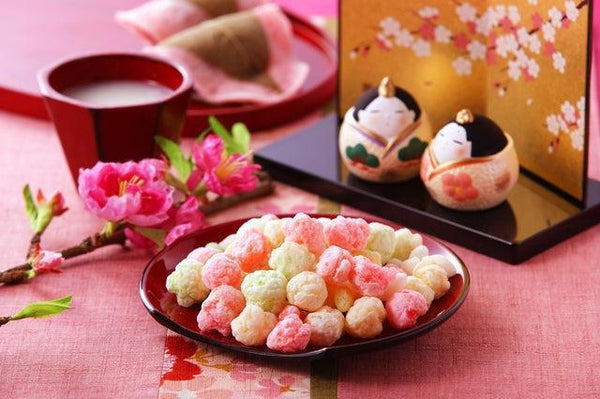
There are several different kinds of arare available to purchase in Japan, they are also traditionally sold and given as gifts during the annual Hina Matsuri festival, also known as Girls Day. Common flavors include salt and soy sauce, or arare wrapped in nori (seaweed).
Arare are a popular snack in Hawaii, where they were first introduced by Japanese immigrants in the early 1900s. In Hawaii arare are available to buy in cans and are also called mochi crunch or kakimochi, where they are often mixed with popcorn to create a popular snack.
Karinto

Karinto is a popular sweet Japanese snack food made from wheat flour which is deep fried and traditionally covered in brown sugar. In addition to the original brown sugar karinto, other variations available to purchase include flavors such as honey, chocolate, and sweet potato.
The origins of karinto are not entirely known but it is believed they could have been around in Japan since the Nara period (710-794). We do know that they became particularly popular centuries later during Japan’s Edo period.
In Japan, karinto are so popular you can even find specialist karinto stores, such as Nishiki Horin in Tokyo’s Solamachi shopping complex next to the Tokyo Skytree building. The store specilaizes in unusual karinto flavors like yuzu, coffee, and burdock root, as well as seasonal versions including sakura (cherry blossom) flavor during springtime.
Manju

Originally imported from China and introduced to Japan in the 1300s, manju are light fluffy buns usually filled with red bean paste that can be baked or steamed. They are made from wheat flour and brown sugar, and aside from red bean paste, other popular fillings include matcha or white bean paste.
Melon Pan

Despite the name, these sweet buns do not usually contain melon as an ingredient but resemble a cantaloupe melon in their appearance. The bun dough is sweet and consists of a crisp outer layer with a soft fluffy interior. Melon pan fillings can vary and popular flavors include custard, sweet bean paste, and even chocolate.
Dorayaki

Dorayaki is a small pancake-like cake that consists of two round castella sponges with a sweet filling in the middle, usually red bean paste. There are many variations dorayaki. Some people eat dorayaki with ice cream or green tea ice cream. There are different flavors of red bean paste as well as other fillings, such as sweetened chestnuts, sweet potato, or chocolate.
Taiyaki

Taiyaki is a small fish-shaped snack with a sweet filling inside and is a popular Japanese street food often sold at festivals throughout Japan. The name taiyaki comes from the word ‘tai’, which is Japanese for seabream and the shape of the cake, and ‘yaki’ which means baked. Kind of a mix between a waffle and a cake, popular taiyaki fillings include anko (red bean paste), custard, matcha, and chocolate.
Dagashi

Japanese dagashi are nostalgic low-priced candies aimed at kids and are usually priced between 10 yen and 100 yen each. They are easily recognized by their colorful packaging displaying cute mascots, making them more appealing to children. Typical examples of popular dagashi sweets include ramune soda flavored candy, Cheeto or cheese puff like snacks, corn puffs, milk-flavored candies, caramel cubes, and Big Katsu, a kind of breaded fish snack.
Kaki no tane are a kind of small rice cracker made from mochi rice whose name means ‘persimmon seed’ in English due to their orange seed-like appearance. Their traditional spicy soy sauce flavor is salty and spicy in taste, making them a popular snack to eat whilst drinking beer. Kaki no tane are available to purchase in a variety of flavors like wasabi and spicy pepper and they are also often sold in a mixture with peanuts called kakipi. One of the most popular manufacturers of kaki no tane in Japan is Kameda Seika, who specialize in making rice snacks.
A Taste of Japan’s Snack Traditions
Traditional Japanese snacks reflect centuries of food culture shaped by seasonality, regional ingredients, and everyday rituals. From rice-based treats like mochi and senbei to festival favorites such as dango, taiyaki, and dagashi, these snacks are deeply tied to Japanese history and daily life.
Even today, many of these traditional snacks continue to be enjoyed across Japan, whether at festivals, tea ceremonies, convenience stores, or at home. Exploring traditional Japanese snacks is one of the simplest and most delicious ways to understand Japan’s culinary heritage and the values behind it.


4 comments
Hi Dale, thank you for leaving a comment on our article! While you can check your local Japanese or Asian grocery store for Japanese milk cookies and crackers, you can find the best selection right here at Japanese Taste. We also recommend checking out our cookie article where we tried and ranked all of the best Japanese cookies: https://japanesetaste.com/blogs/japanese-taste-blog/the-15-best-japanese-cookies-you-need-to-try
Japanese Taste ,
I’ve been looking for Japanese Milk Cookies/Crackers are there any way to get them in the U.S.A.?
Dale Hudgins,
Hi Usagiii, thank you for your comment! We’re glad our article could help you figure out some delicious snacks to buy. :)
Japanese Taste ,
Thanks so much, this helped me figure out what snacks to buy for my party!
Usagiii,