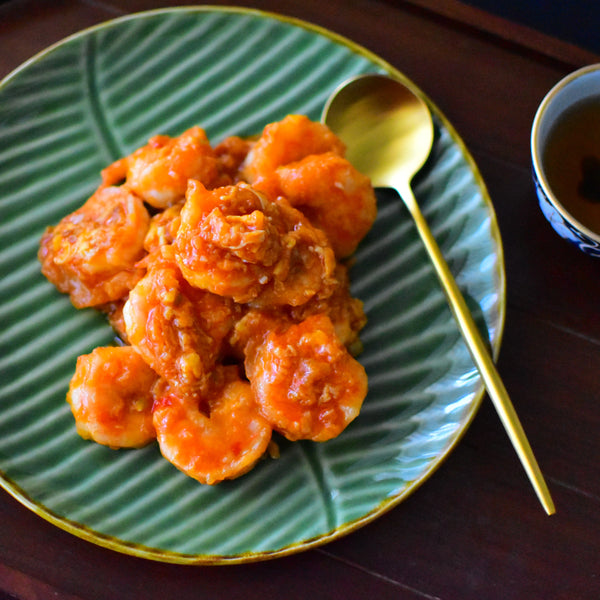
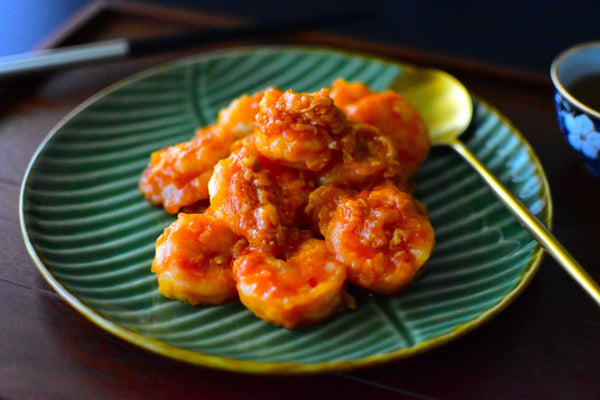
Chinese-inspired dishes are popular in Japan and often adapted to local tastes, like Japanese-style ebi chili. This dish features stir-fried shrimp and vegetables in a ketchup-based sauce, inspired by the Chinese dish gan shao xia ren (干焼蝦仁), which uses a spicy, non-ketchup sauce.
Japanese-style shrimp chili gained popularity through Chinese chef Chen Kenmin, who introduced it at his restaurant Shisen Hanten in Tokyo in 1958. At the time, spicy flavors were not widely accepted in Japanese cuisine, so he adapted the original recipe to suit local tastes.
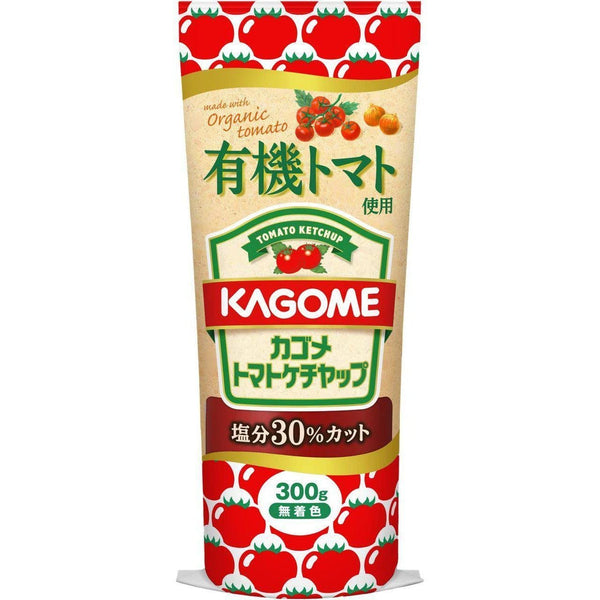
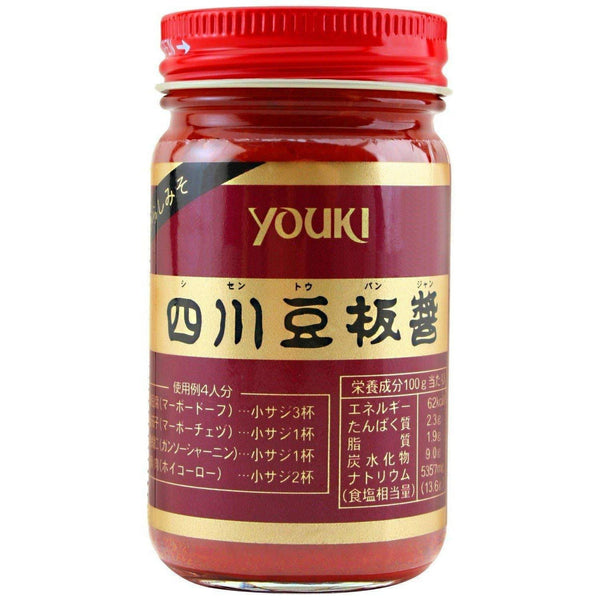
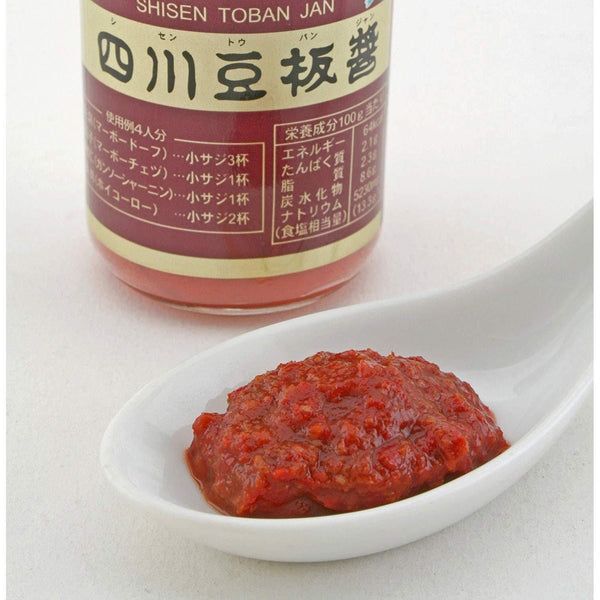
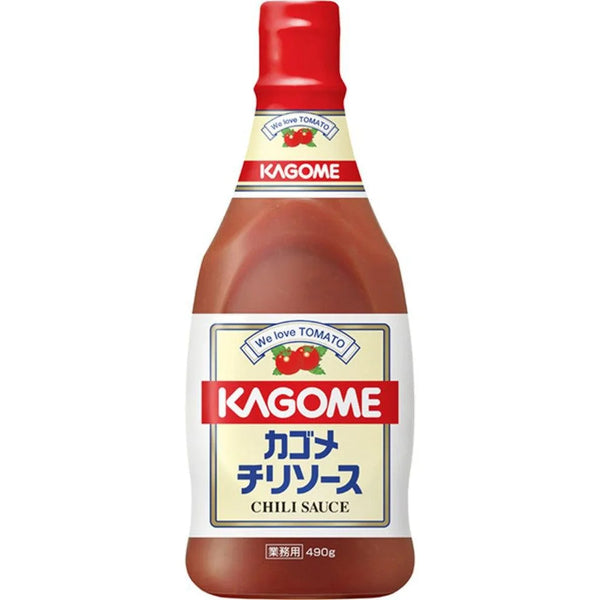
To mellow the spiciness of doubanjiang, he added ketchup. This introduced subtle sweetness, tanginess, and umami, making ebi chili accessible to all ages. The level of spiciness can be easily adjusted while maintaining the dish’s vibrant red color.
What sets Japanese-style ebi chili apart is its approach to seasoning. Rather than overwhelming heat, the sauce balances mild spice, sweetness, and savory depth. The ketchup provides familiar comfort, while doubanjiang adds just enough heat to keep the dish lively, helping ebi chili become a staple in Japanese households and casual Chinese-style restaurants.
This balance reflects a broader trend in Japanese cuisine, where foreign dishes are refined to emphasize harmony rather than intensity. Instead of highlighting a single bold flavor, Japanese-style ebi chili layers seasoning gradually, allowing each ingredient to contribute without overpowering the shrimp itself. The sauce is designed to cling lightly, coating the shrimp rather than drowning them, which preserves both flavor clarity and texture.
Ebi chili is also well suited to everyday cooking. The ingredients are easy to find, and the seasoning ratios are forgiving, making the dish approachable even for beginners. Small adjustments, such as increasing ketchup for mildness or doubanjiang for heat, can tailor the dish to different preferences without changing its character.
Ebi chili is highly versatile. It pairs perfectly with steamed rice as a main dish, but also works well as part of a larger spread alongside other Japanese or Chinese-inspired dishes. Leftovers are just as enjoyable, as the flavors deepen slightly after resting.
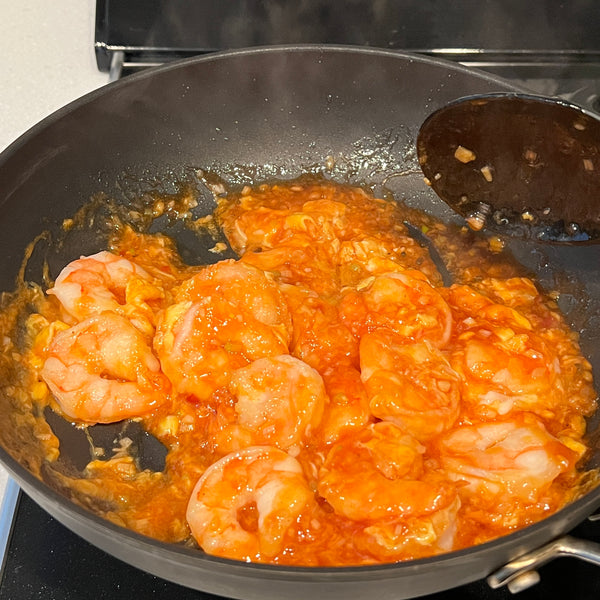
Because it comes together quickly, ebi chili is ideal for busy days. Most of the effort happens during preparation, while cooking takes only minutes. Once everything is ready, the dish moves fast, finishing with a glossy, appetizing look that matches its bold yet balanced flavor.
The highlight of this dish is the plump, juicy shrimp. In Japanese cooking, texture is just as important as flavor, so careful preparation and cooking are essential:
Don’t skip the preparation steps. Cleaning and coating the shrimp may take time, but each step enhances their flavor and texture. The coating helps keep the shrimp plump and juicy.
Avoid overcooking the shrimp. Overcooking makes shrimp tough. Cook briefly and return them to the sauce only at the end to keep them tender and springy.
By keeping these tips in mind, you can enjoy delicious Japanese-style ebi chili at home.
Instructions
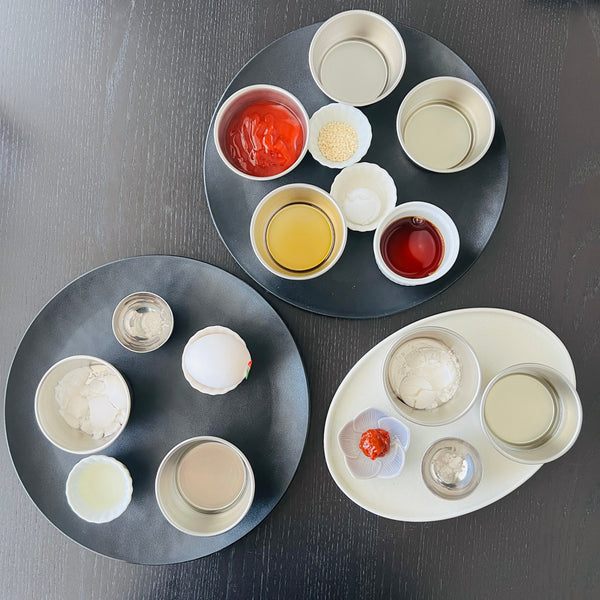
1) Gathering the Ingredients
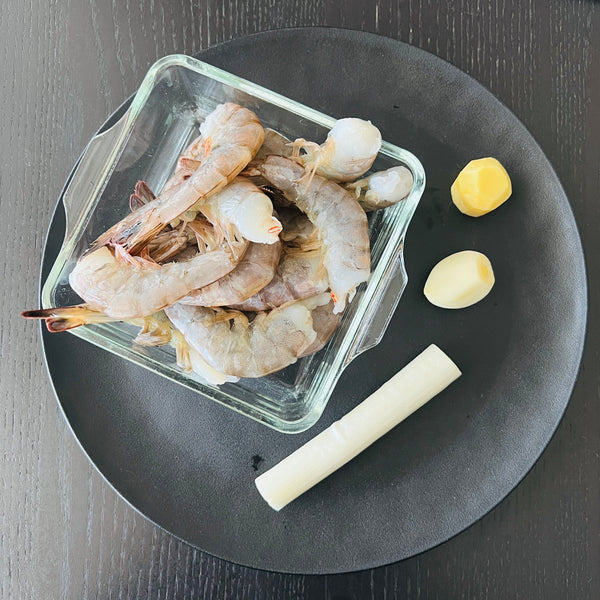
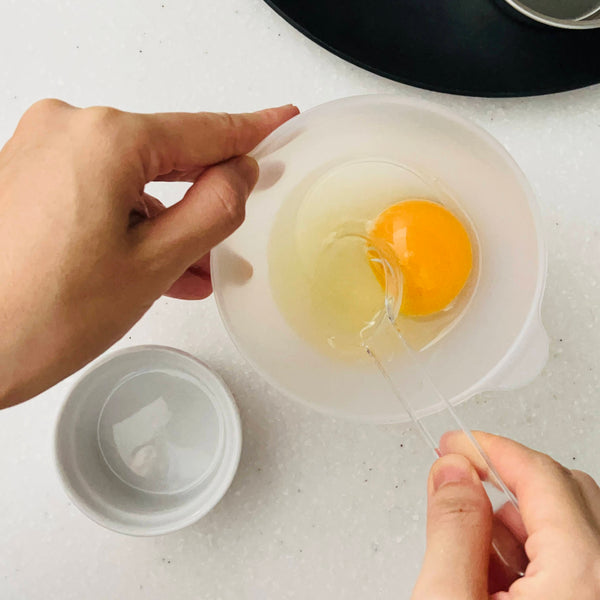

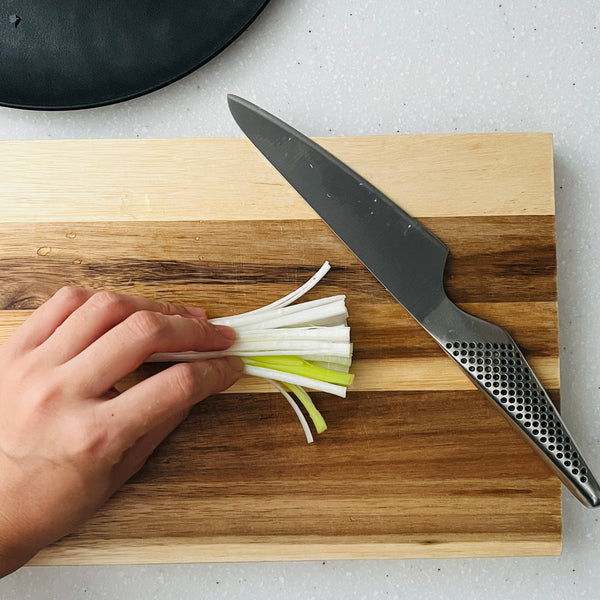
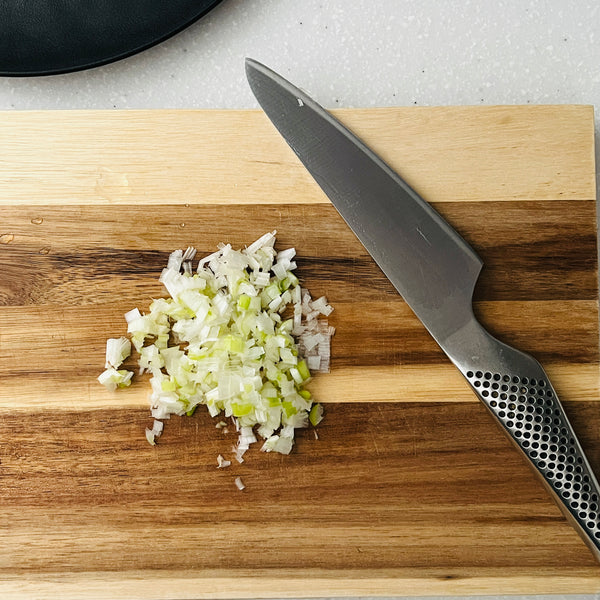
2) Cutting the Vegetables
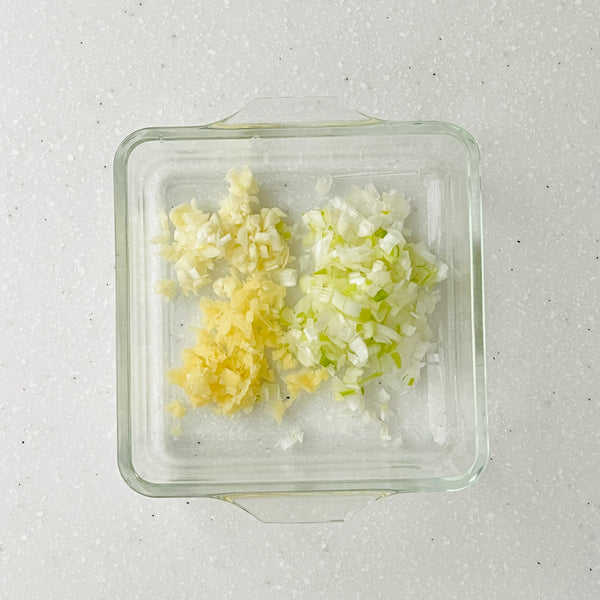
Expert's Tip
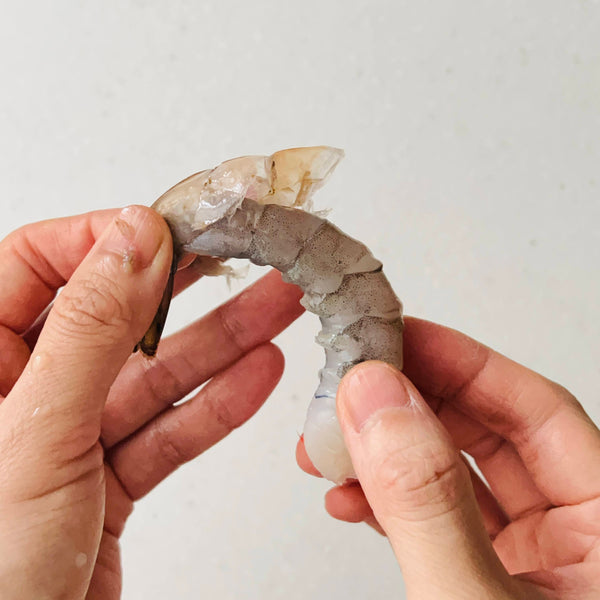
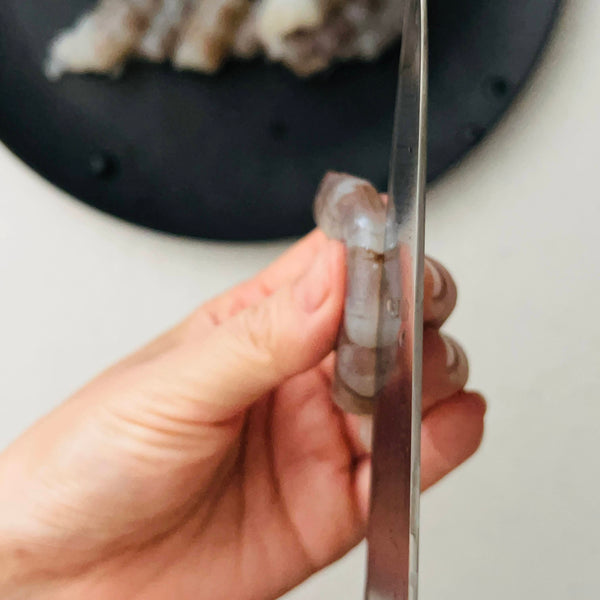
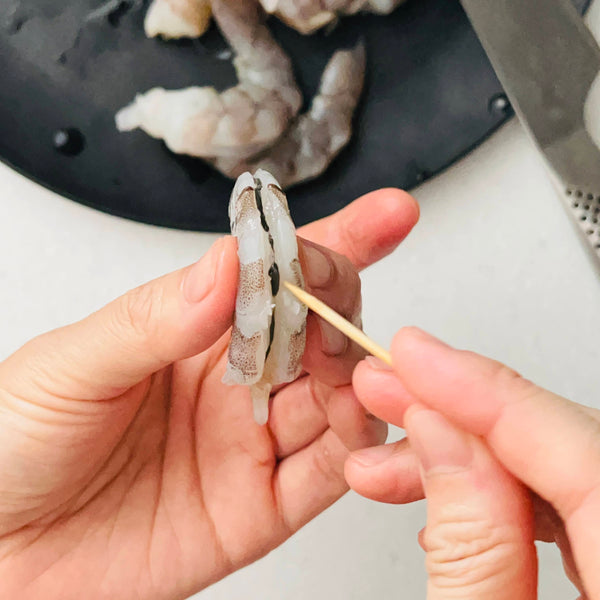
3) Preparing the Shrimp
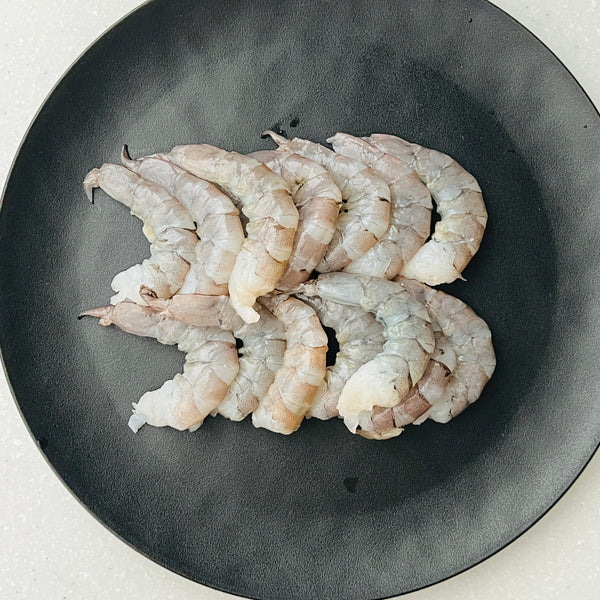
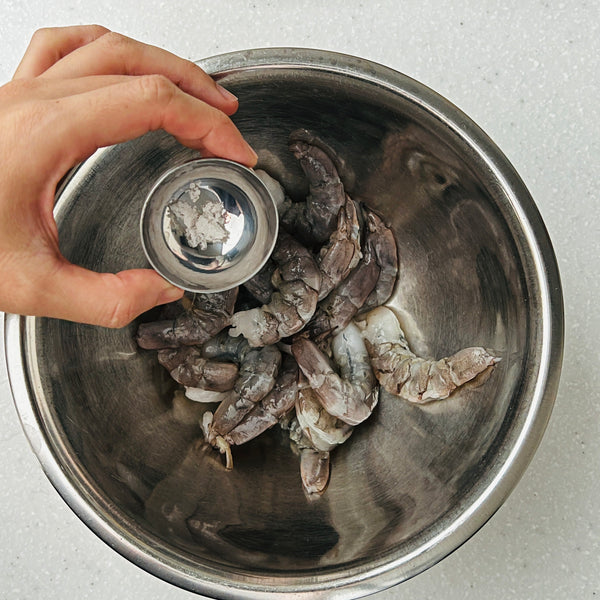

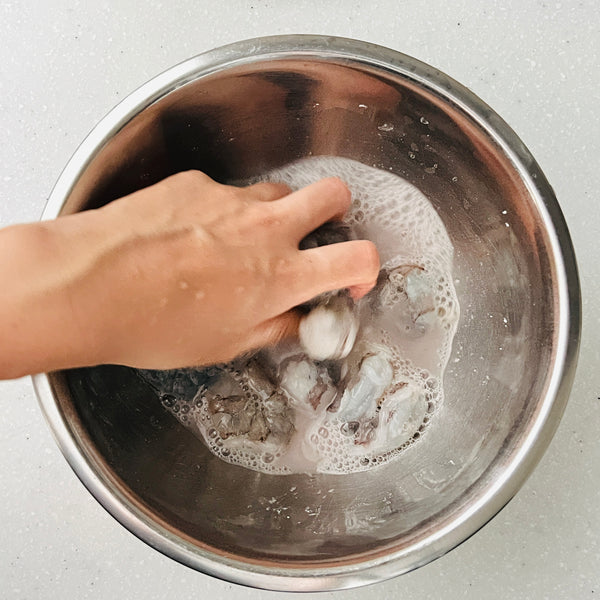

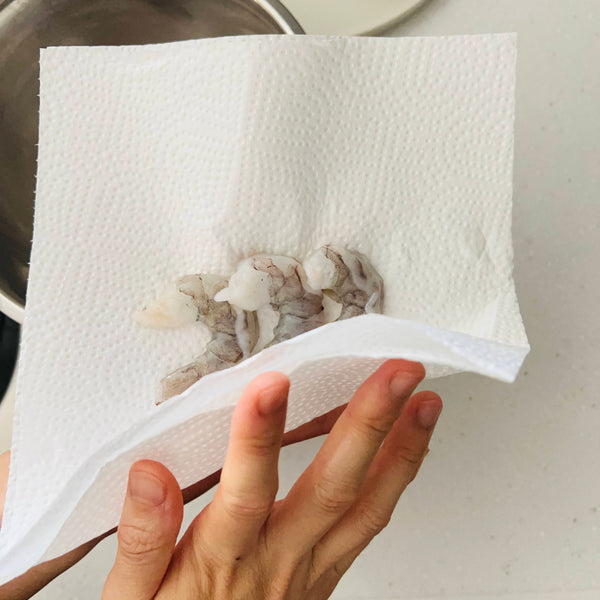
4) Coating the Shrimp with Pre-Seasonings
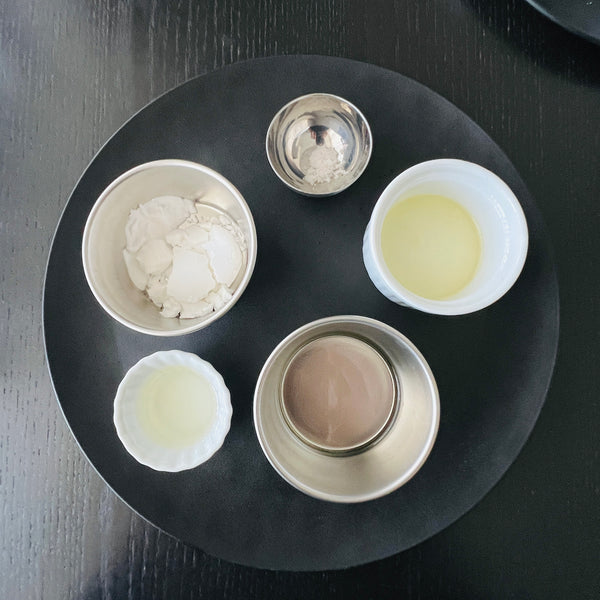
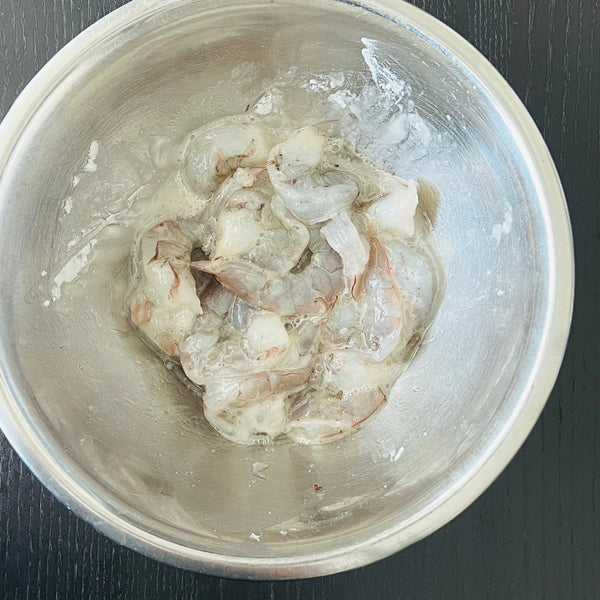
5) Combining the Seasonings
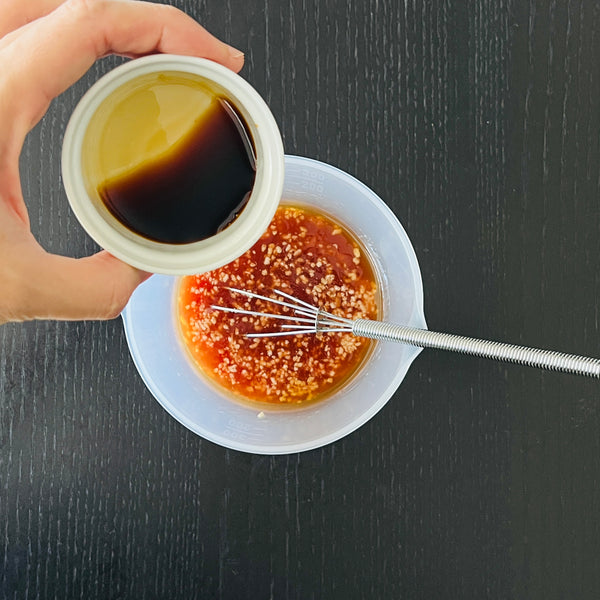
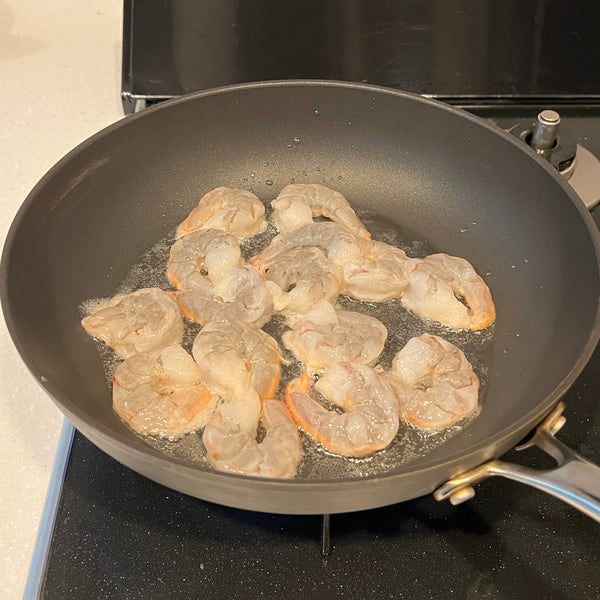
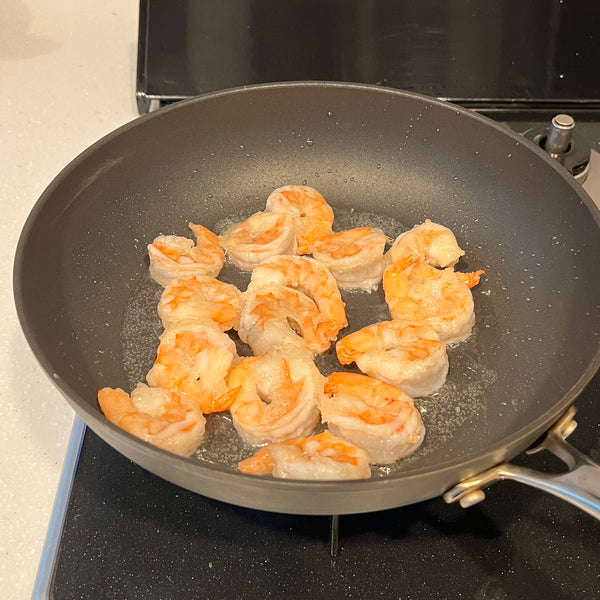
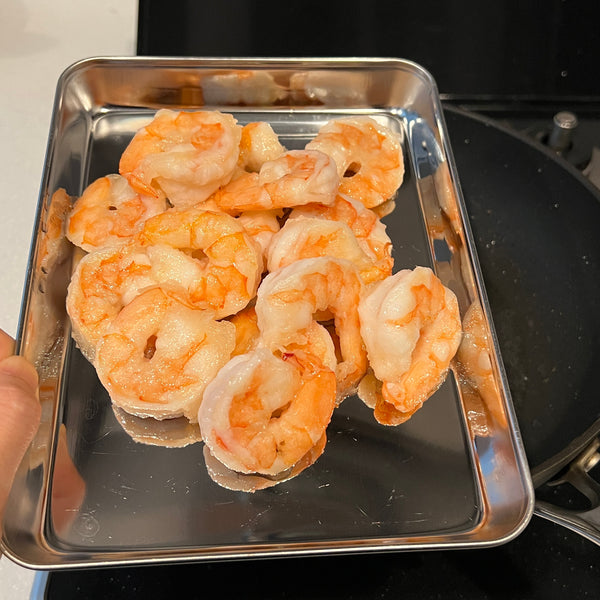
6) Pan-Frying the Shrimp
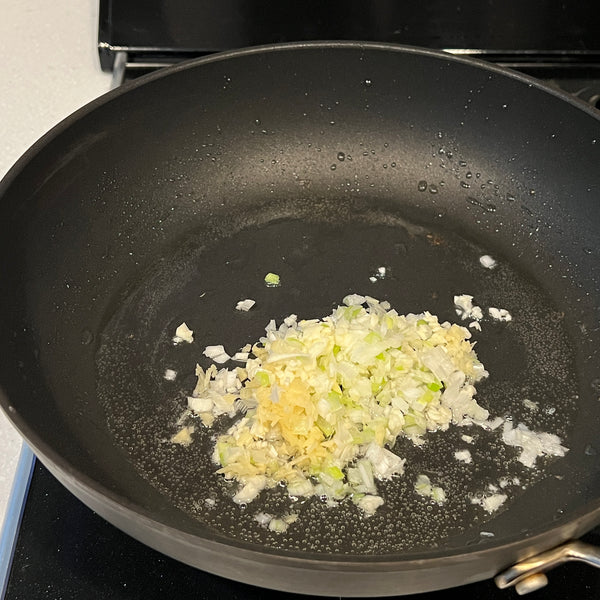
7) Adding the Seasoning Mixture
8) Serve & Enjoy!