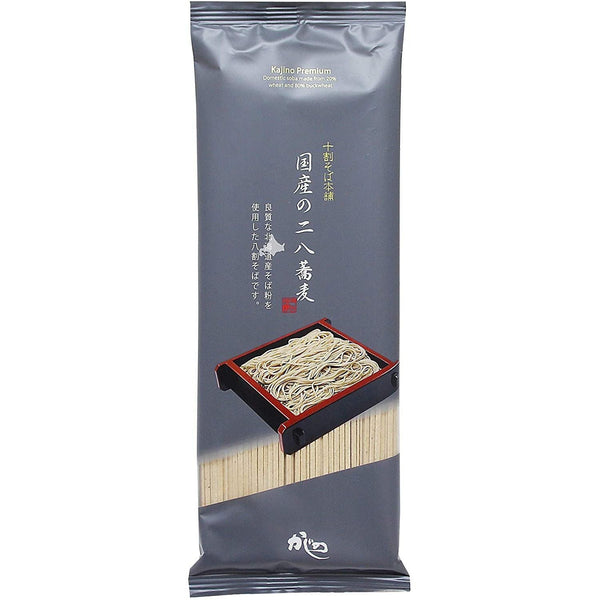
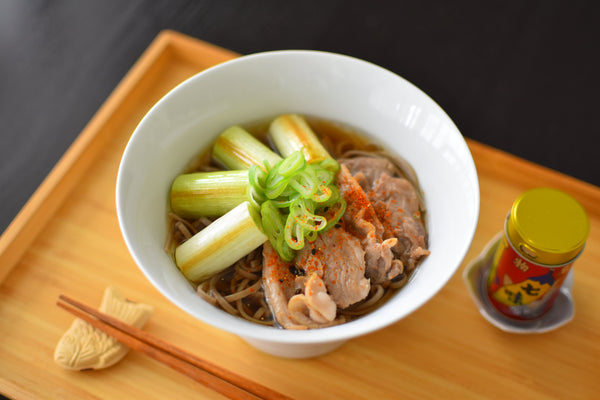
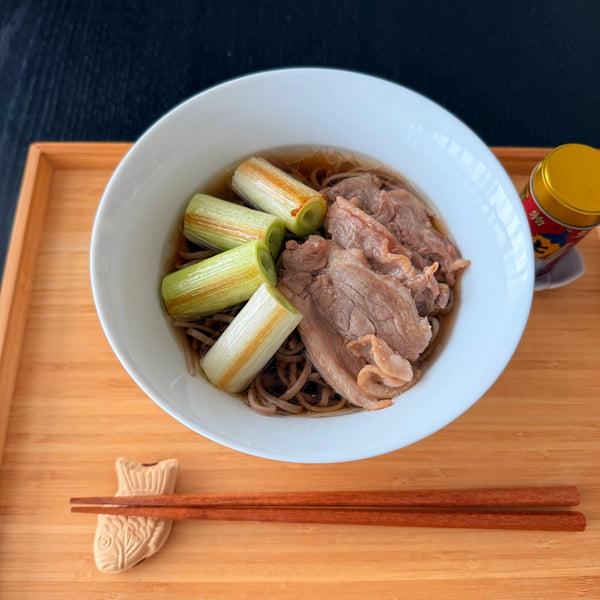
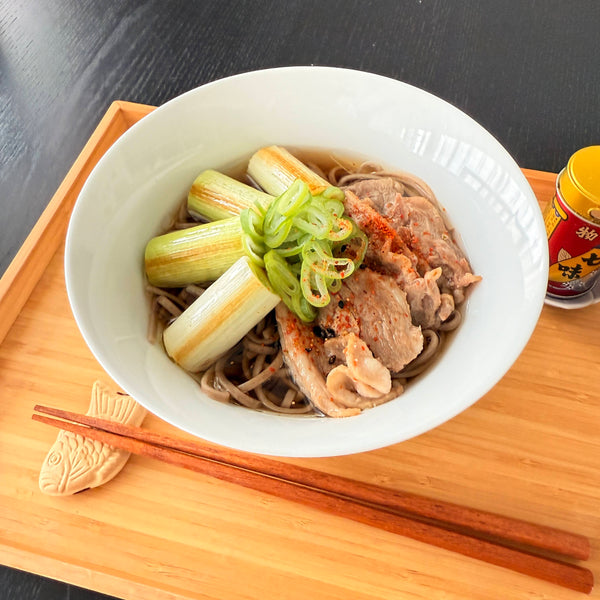
Kamo nanban soba is a beloved Japanese noodle dish served hot with slices of duck and Japanese leek (naganegi) in a rich dashi-based broth. Known for its deep umami flavor, it’s a favorite at soba specialty restaurants and especially comforting during colder months.
Traditionally, the duck used is a crossbreed between wild and domestic ducks, prized for its flavorful fat and tender meat. Mallards (wild ducks) were historically used in winter, as were Japanese leeks—making this dish strongly tied to the season. Today, duck remains uncommon in everyday supermarkets, with limited availability and cuts. For a more accessible home-cooked alternative, “kashiwa nanban” uses chicken instead and is just as delicious.
Interestingly, “nanban” in this context refers to Japanese leek, but the word appears in other dishes like chicken nanban or nanban-zuke, where it implies foreign influence or a vinegar-based preparation. It’s a fun quirk of Japanese culinary language worth exploring.
To make a well-balanced bowl, keep these tips in mind:
-
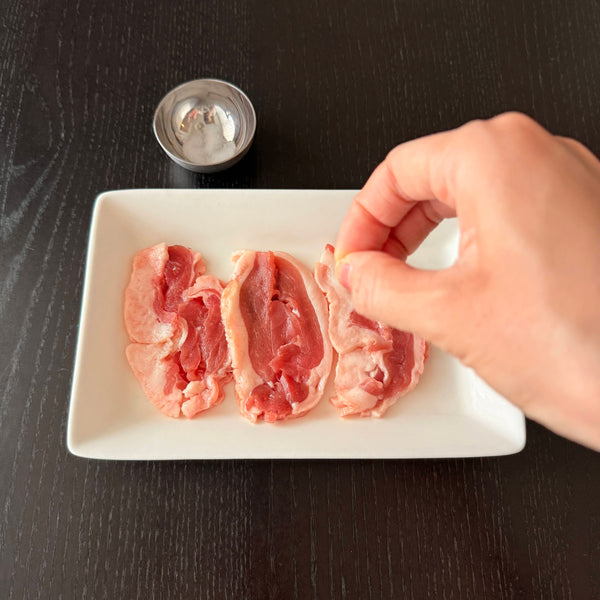
Choosing the right duck: Use fresh duck with visible, creamy white fat to build richness in the broth.
-
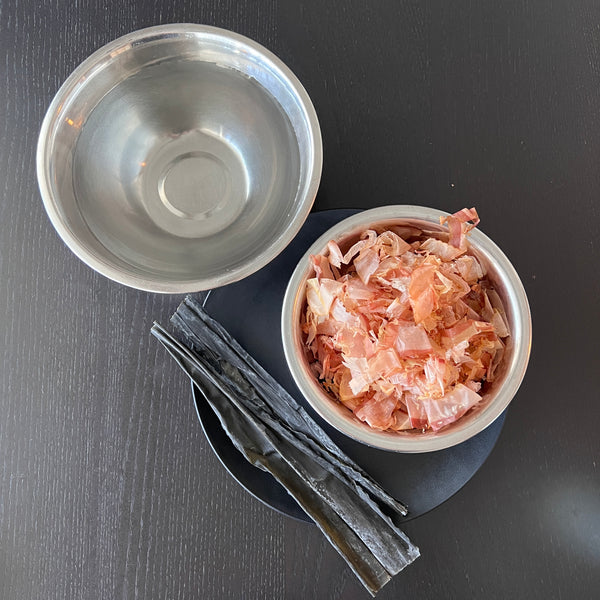
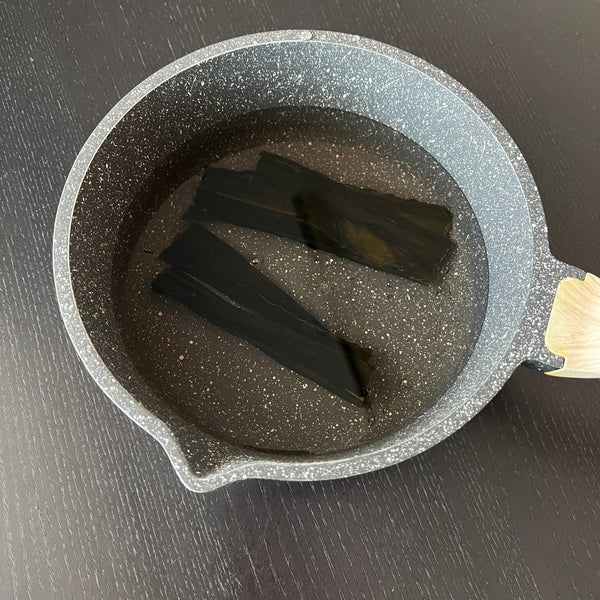
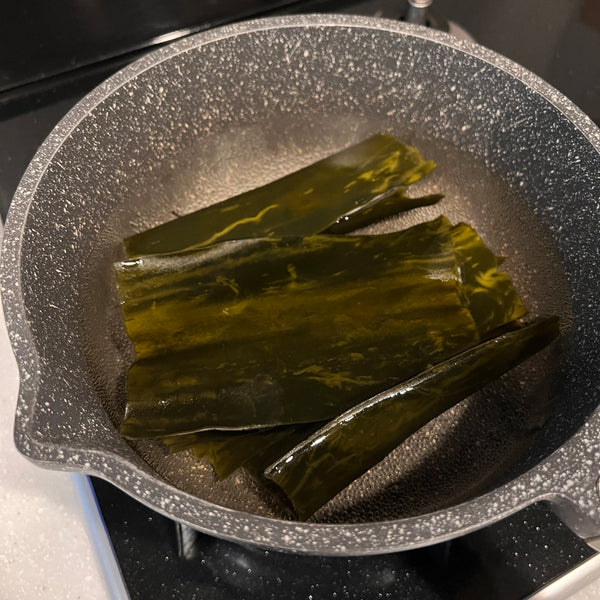
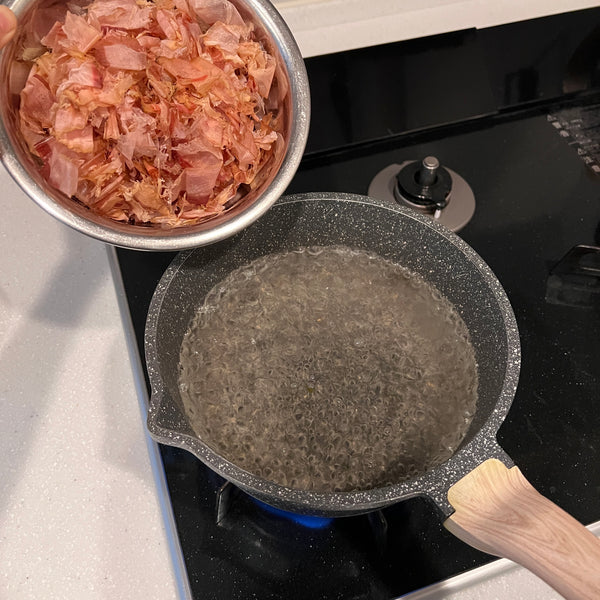
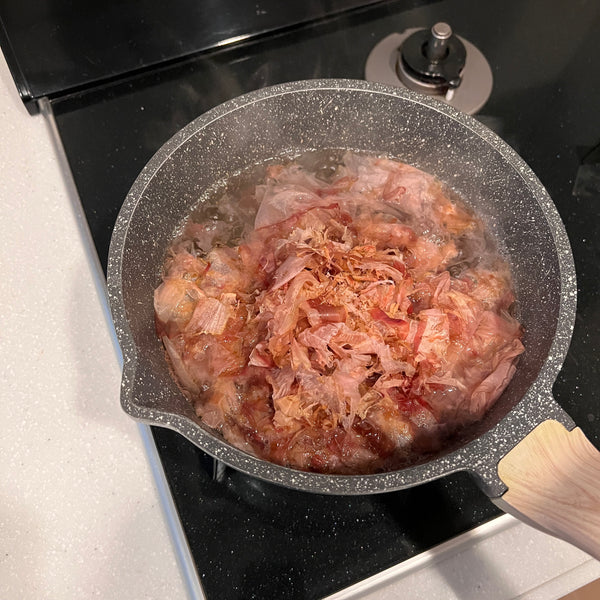
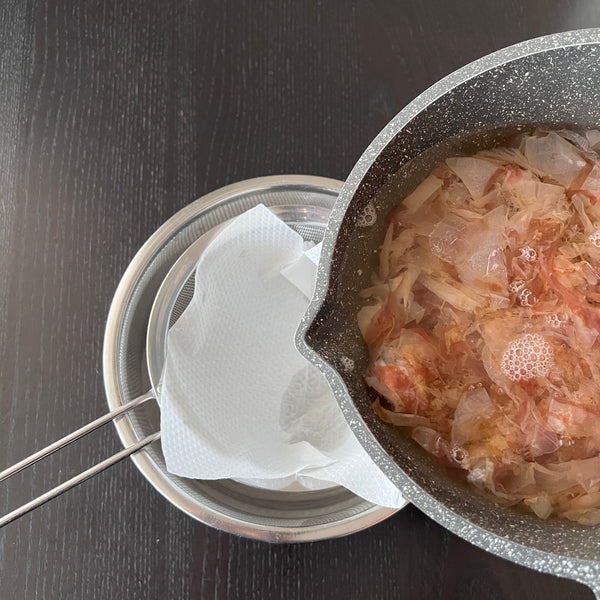
Making the dashi: Homemade dashi with kombu and bonito flakes creates clean, layered umami.
-
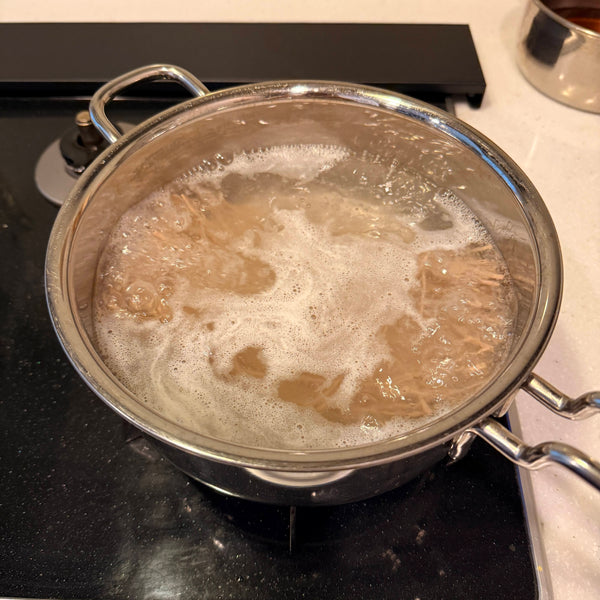
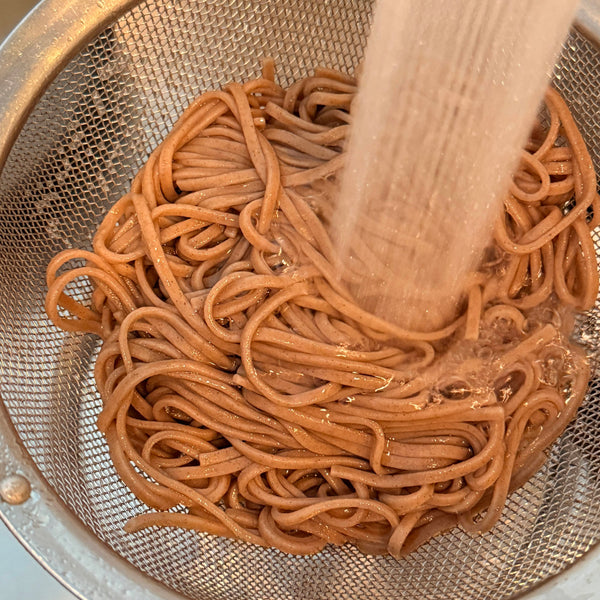
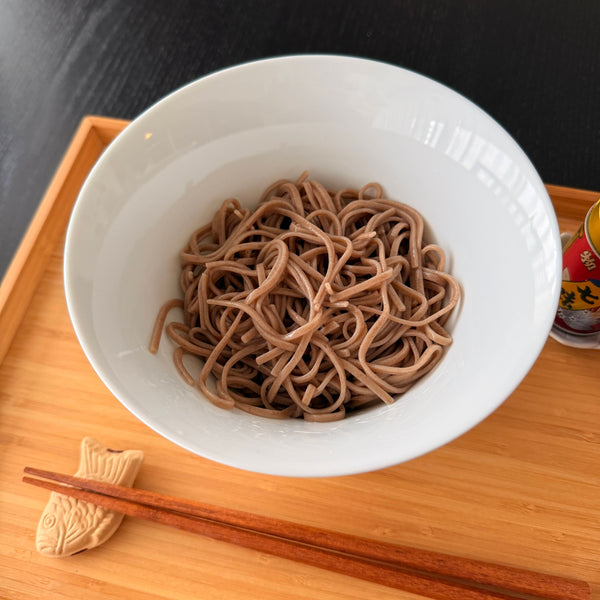
Finishing soba noodles: Rinse cooked soba in cold water to keep their firm bite before reheating.
-
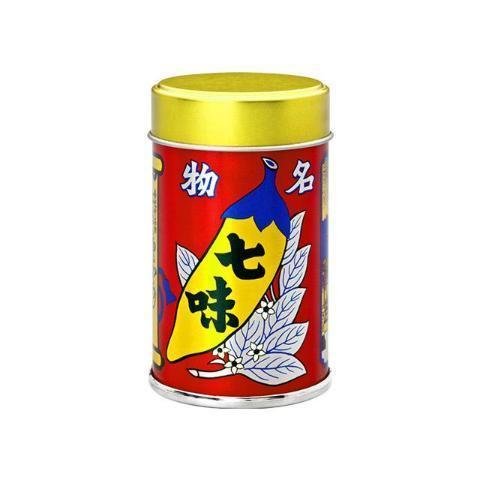
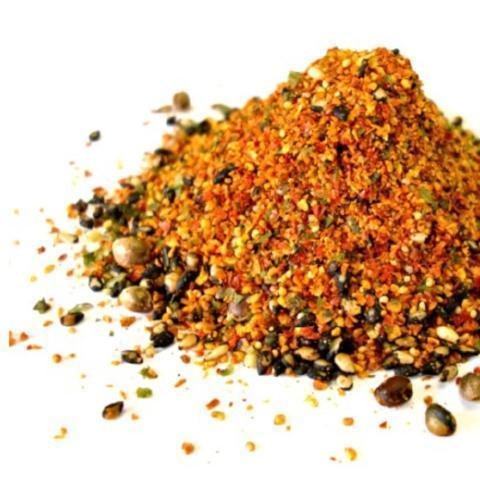
Toppings: Green onion, yuzu peel, or a pinch of shichimi add aroma and balance.
Kamo nanban soba may look simple, but it delivers a depth of flavor that feels restaurant-quality when made with care. The key lies in the balance between rich duck fat, clean dashi, and the gentle sweetness of Japanese leek. As the duck cooks, its fat melts into the broth, creating a silky texture that coats the soba noodles without overpowering them. The leek softens and adds natural sweetness, rounding out the savory notes.
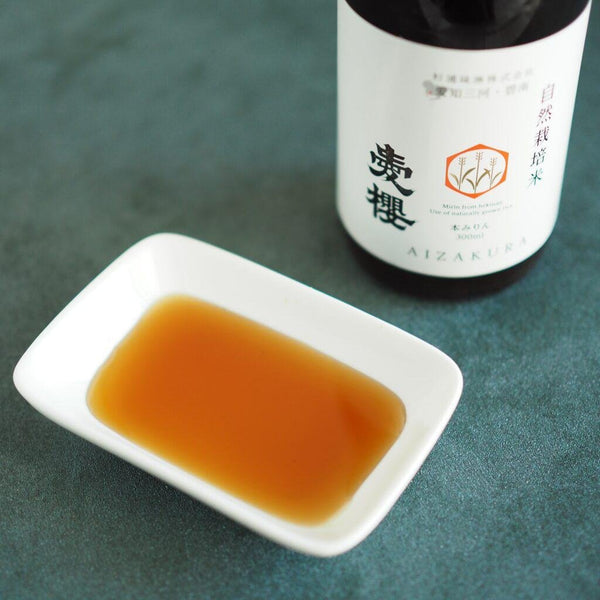
Making this dish at home also allows you to adjust it to your taste. You can control the saltiness of the broth, add more mirin for a softer finish, or finish with shichimi for warmth. It’s an ideal dish for slow evenings, cold weather, or when you want a satisfying noodle meal that feels both refined and deeply comforting.
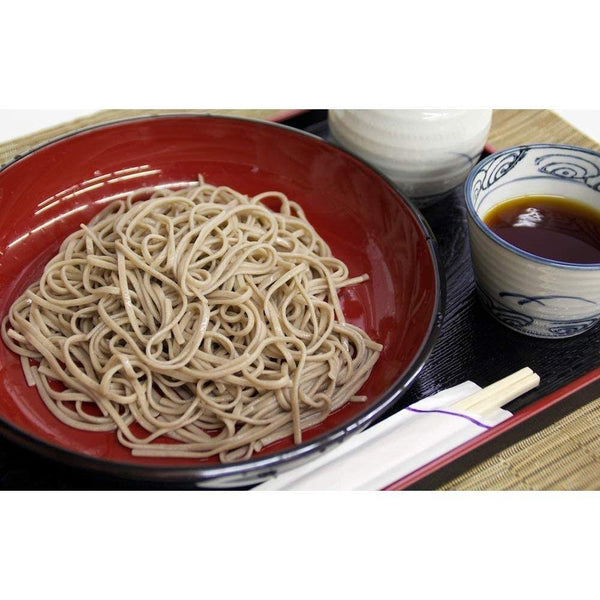
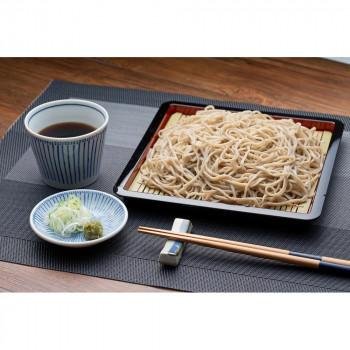
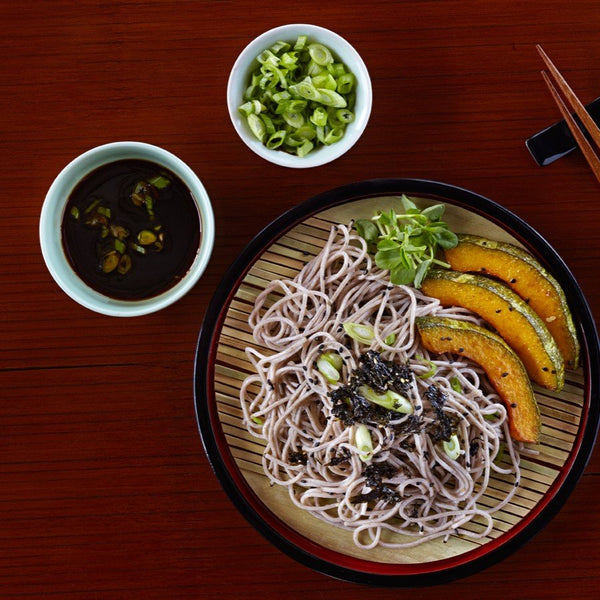
If you enjoy soba year-round, try lighter styles too. In summer, cool down with zaru soba, served chilled with a refreshing dipping sauce. For winter comfort beyond kamo nanban, explore Okinawa soba (soki soba), a hearty hot noodle dish with slow-simmered pork.
Instructions
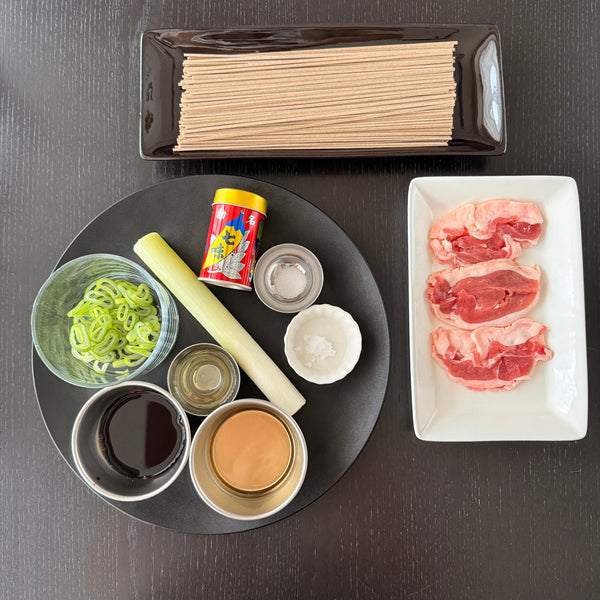
1) Gather the Ingredients
2) Cut the Japanese Leek

Expert's Tip

3) Prepare the Dashi Soup Stock

4) Boil the Soba Noodles
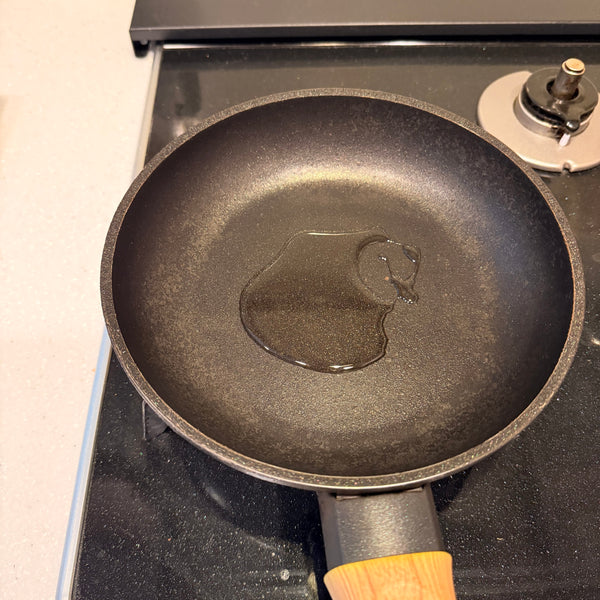
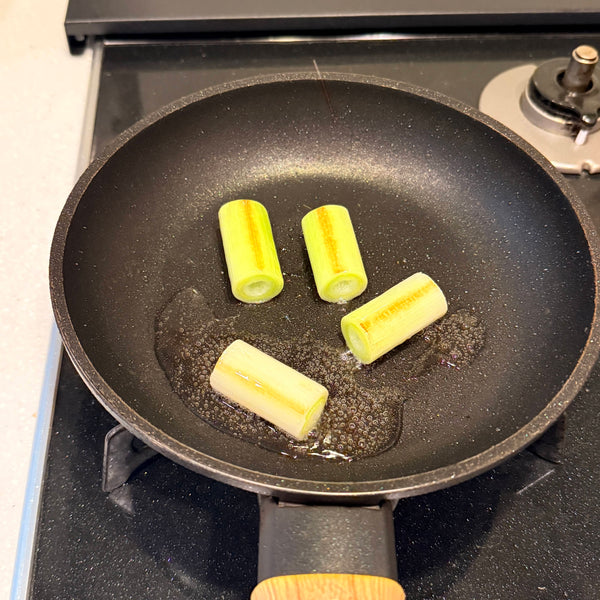
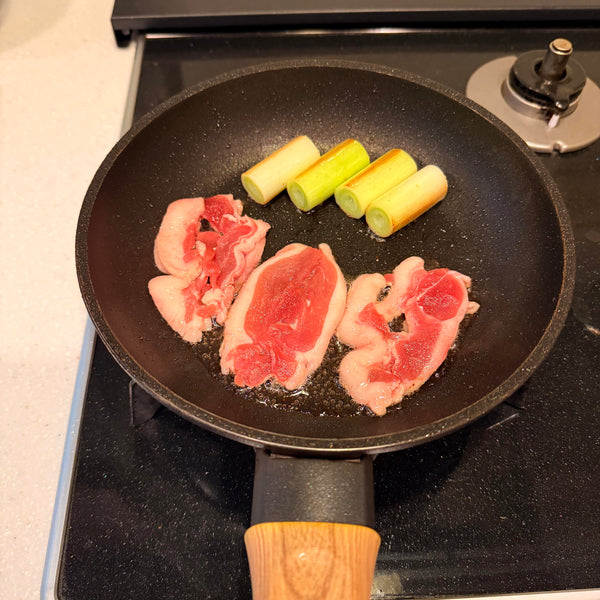
5) Pan-Fry the Duck and Japanese Leek
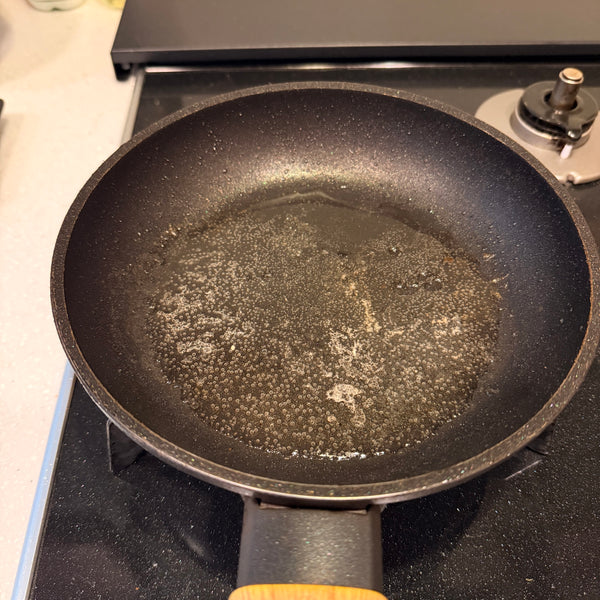
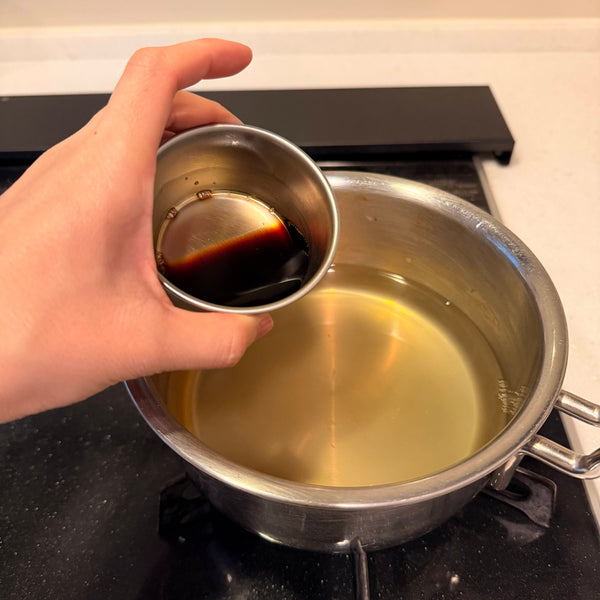
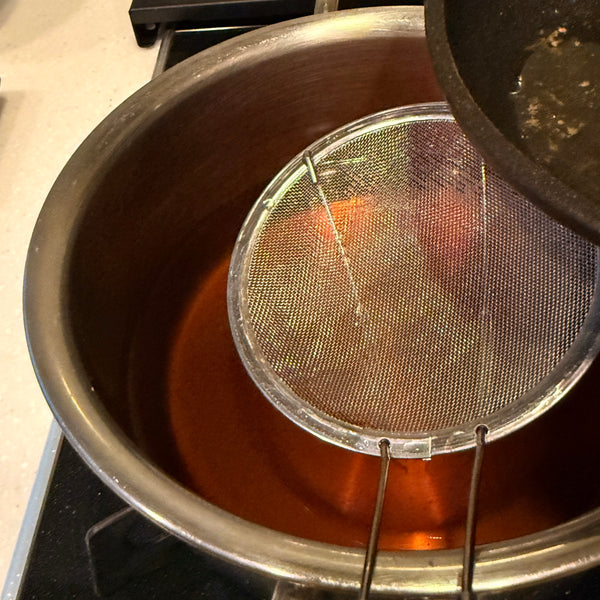
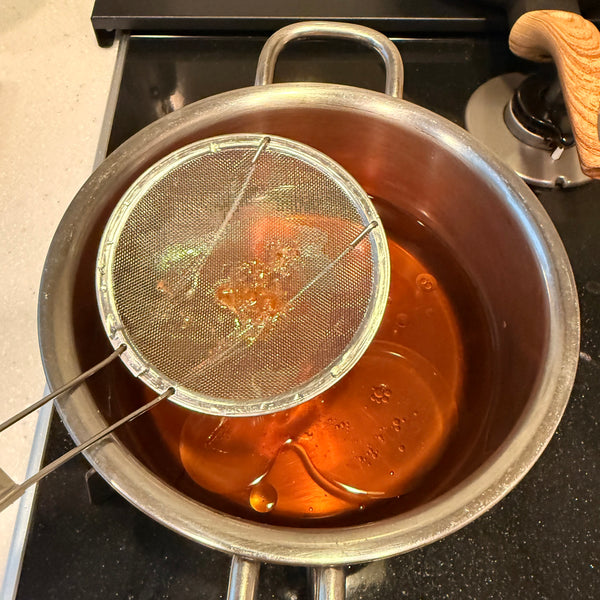
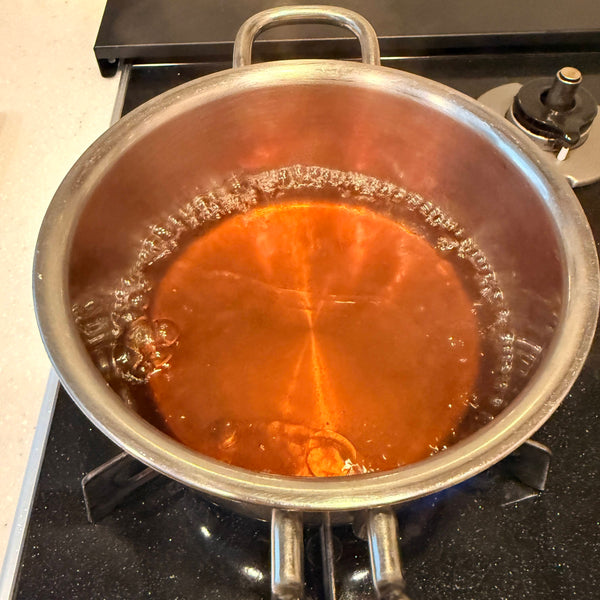
6) Prepare the Broth
7) Dish Up
8) Serve & Enjoy!