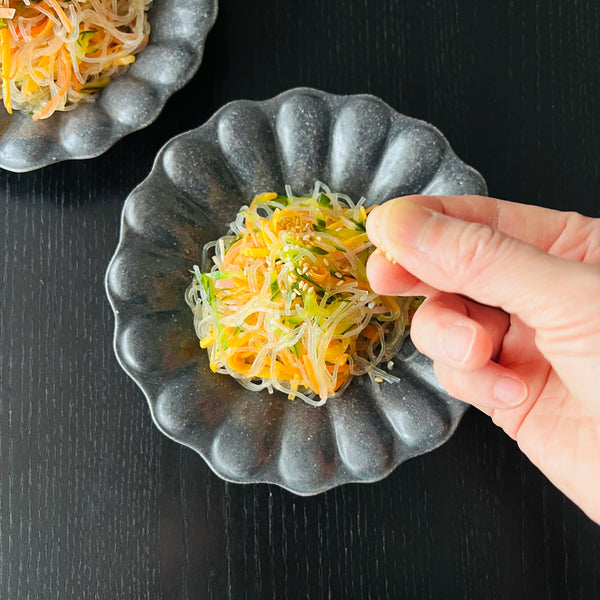
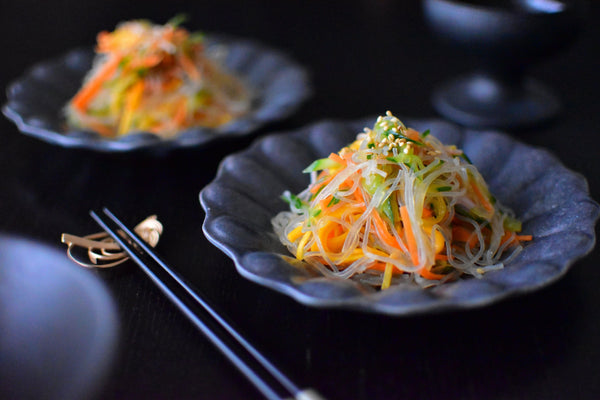
If you have an affinity for Asian cuisines, you have likely encountered the translucent, shimmering strands known as glass noodles. These versatile noodles are a cornerstone of culinary traditions across the continent, featuring prominently in the diverse dishes of China, Korea, Thailand, Vietnam, and, of course, Japan. Today, we are delighted to introduce you to Harusame Salad, a refreshing and iconic Japanese side dish that is a staple in home kitchens, bento boxes, and deli counters alike.
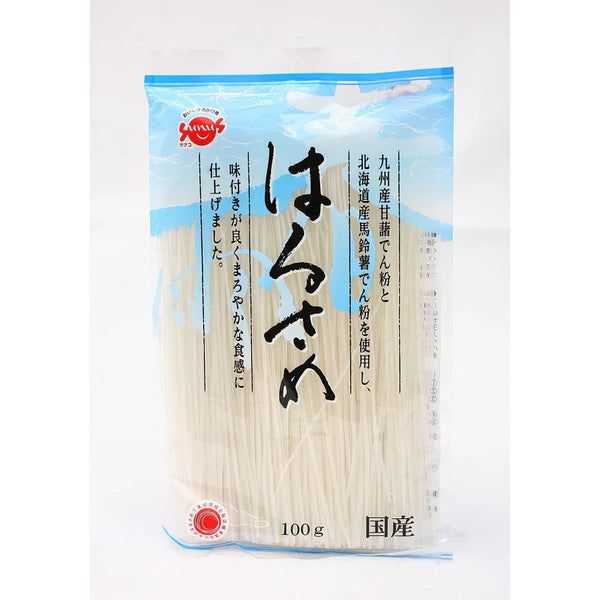
Glass noodles are crafted from various natural starches, including mung bean, potato, sweet potato, or cassava. In Japan, these noodles are poetically called "Harusame." The name is a beautiful compound: “Haru” translates to spring, and “Same (Ame)” means rain. This evocative title was inspired by their delicate, transparent appearance; when the thin noodles are served, they look just like the gentle, misty needles of a spring rain shower. When tossed with colorful vegetables and proteins, they create a visual harmony that is as refreshing to the eyes as it is to the palate.
While they are deeply integrated into the Japanese diet today, glass noodles are not originally native to Japan. Their history stretches back over a millennium to ancient China. It is believed they first crossed the sea to Japan during the Kamakura era (1185–1333), brought over by monks as a vital component of Shojin Ryori, or traditional Buddhist vegetarian cuisine. Over the centuries, they transitioned from a specialized temple ingredient to a beloved household pantry staple, prized for their unique texture and long shelf life.
One of the most remarkable qualities of Harusame is its culinary versatility. Because the noodles themselves have a neutral flavor profile, they act as a "flavor sponge," absorbing the savory dressings, broths, and seasonings they are paired with while still maintaining their structural integrity. Unlike wheat-based pasta, which can sometimes become mushy, glass noodles retain a signature "slippery yet chewy" texture (tsuru-tsuru in Japanese) that provides a satisfying mouthfeel. This makes them equally successful in high-heat stir-fries, comforting hot soups, or chilled, vinegar-based salads.
From a nutritional and practical standpoint, Harusame offers several advantages. They are naturally gluten-free, making them an excellent alternative for those with dietary restrictions. Furthermore, like dried pasta, they are incredibly shelf-stable. Having a package of dried glass noodles in your pantry is a lifesaver for busy weeknights; they rehydrate in just a few minutes, providing a quick and convenient base for a healthy meal. Whether you are looking for a light lunch or a sophisticated side dish for a dinner party, Harusame Salad fits the bill perfectly.
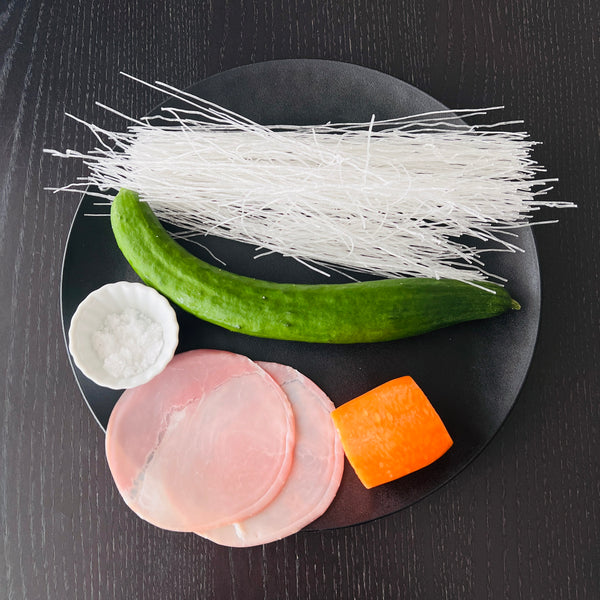
In our featured recipe, we will show you how to balance the delicate noodles with crunchy cucumbers, savory ham, and a tangy sesame-soy dressing that highlights the noodles' ability to carry bold flavors. If you are having trouble sourcing high-quality noodles locally, please visit our website where we offer authentic Japanese Harusame for nationwide delivery. We invite you to explore the refreshing world of "Spring Rain" noodles and experience this piece of Japanese culinary history in your own home!
Instructions
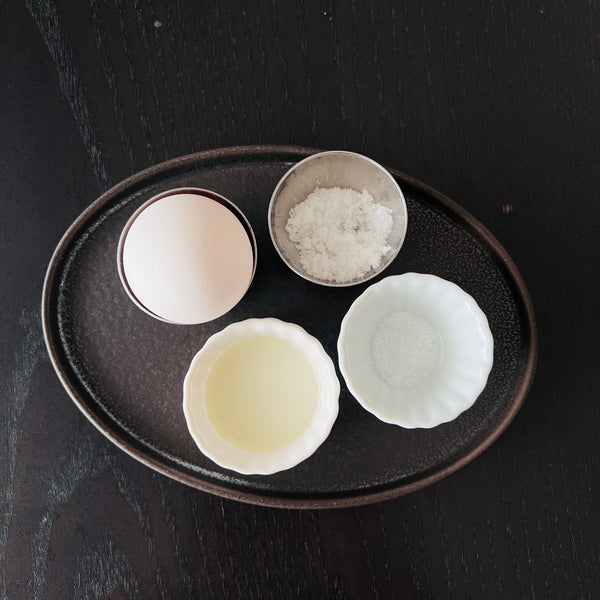
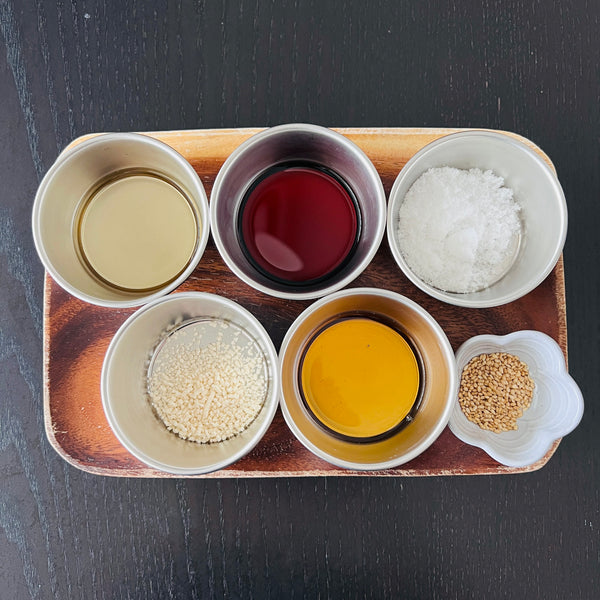
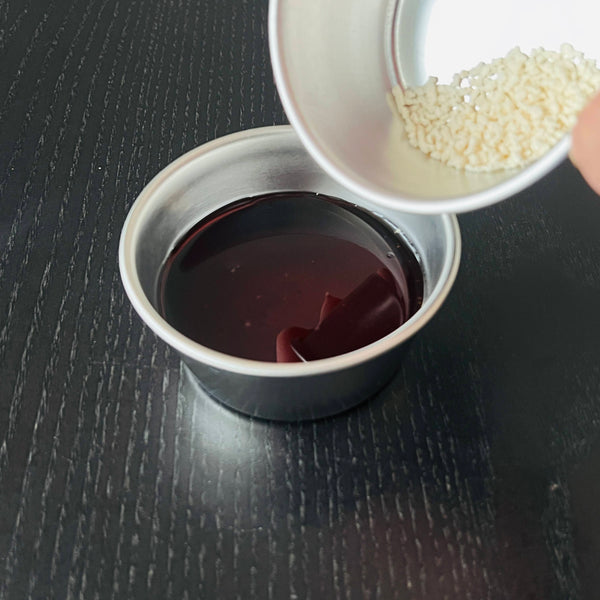
1) Gathering the Ingredients & Making the Salad Dressing
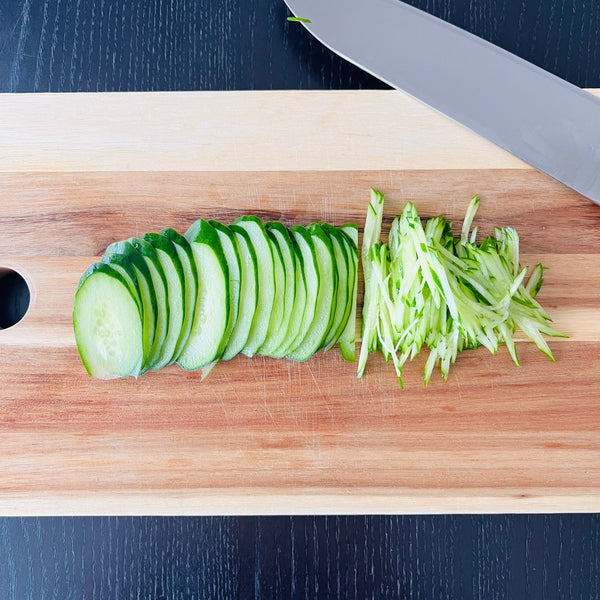
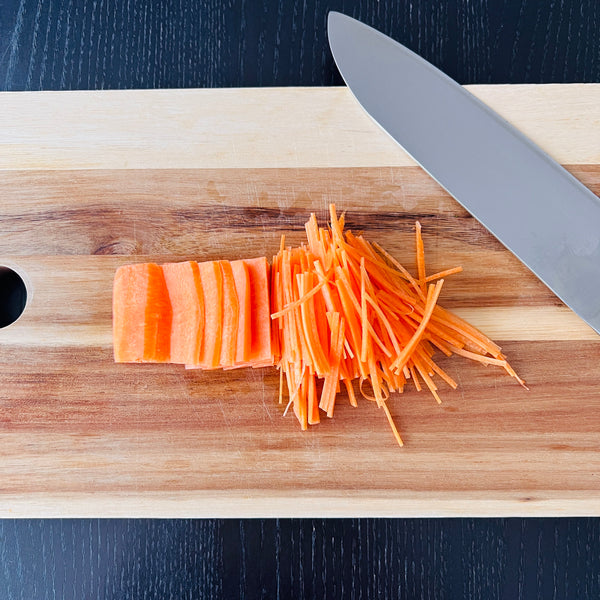
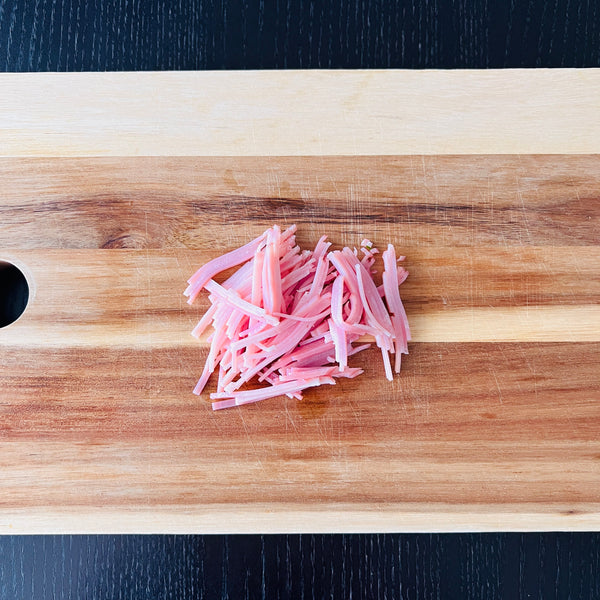
2) Cutting the Ingredients Into Matchsticks
Expert's Tip
3) Beating the Eggs
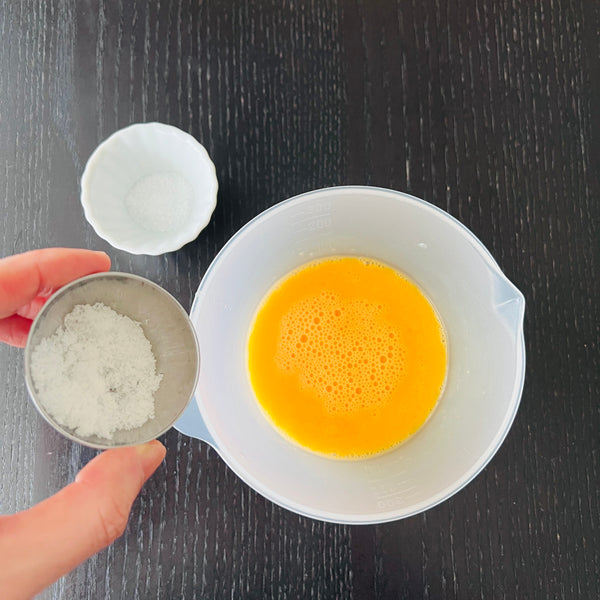
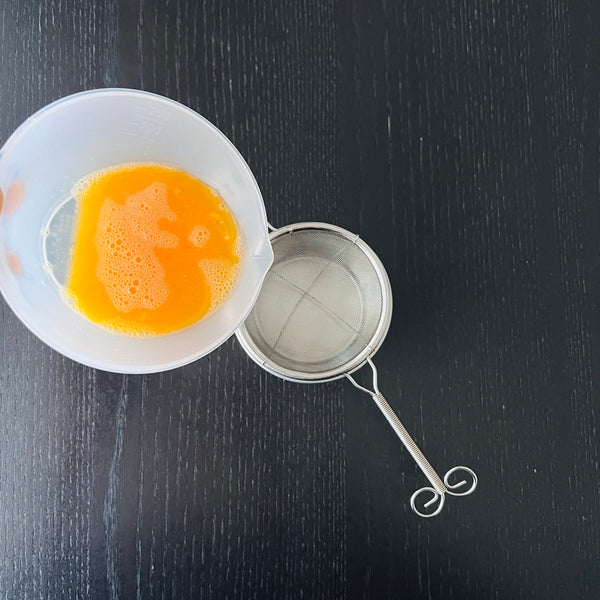
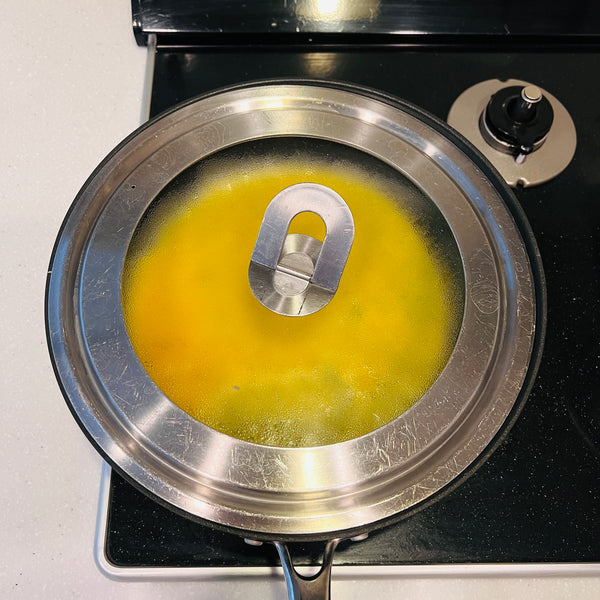
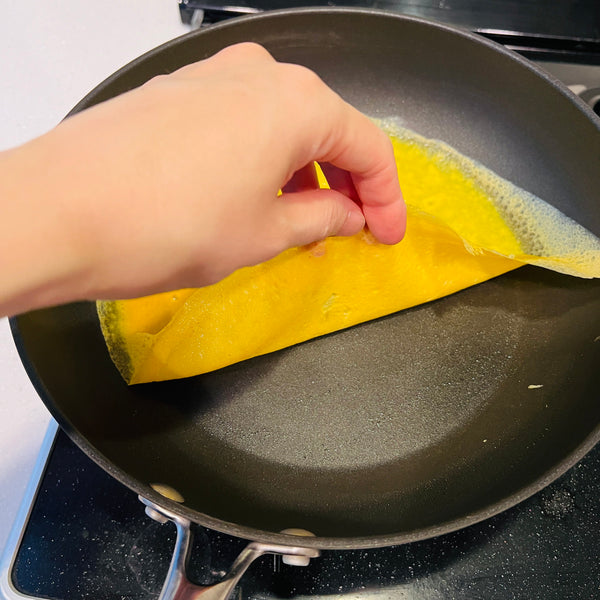
4) Making the Egg Sheet
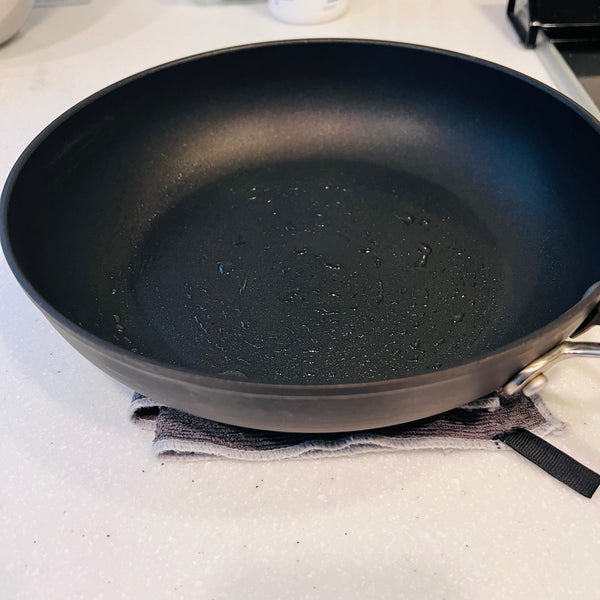
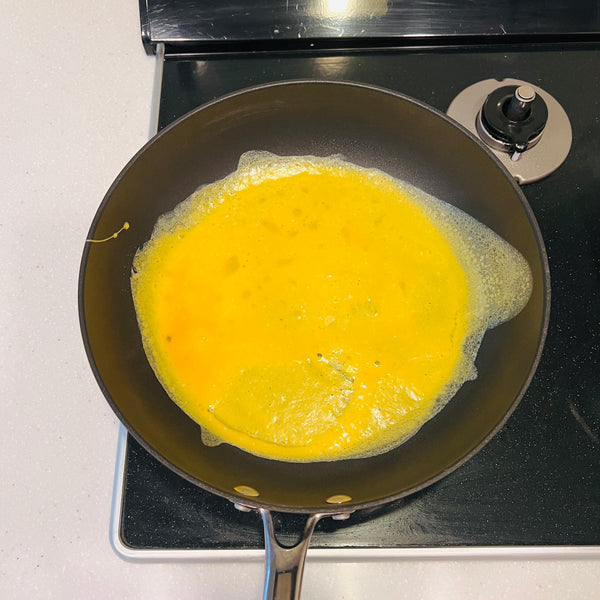
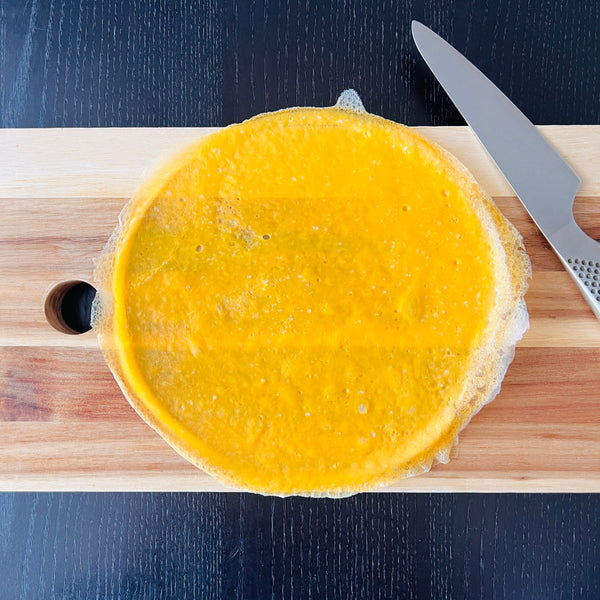
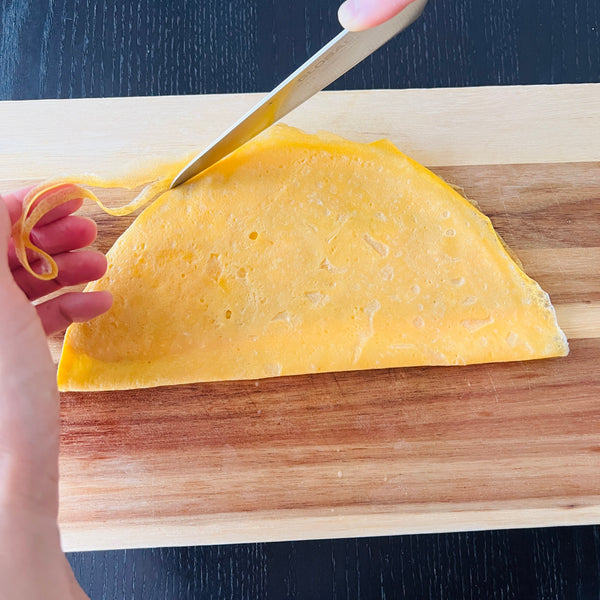
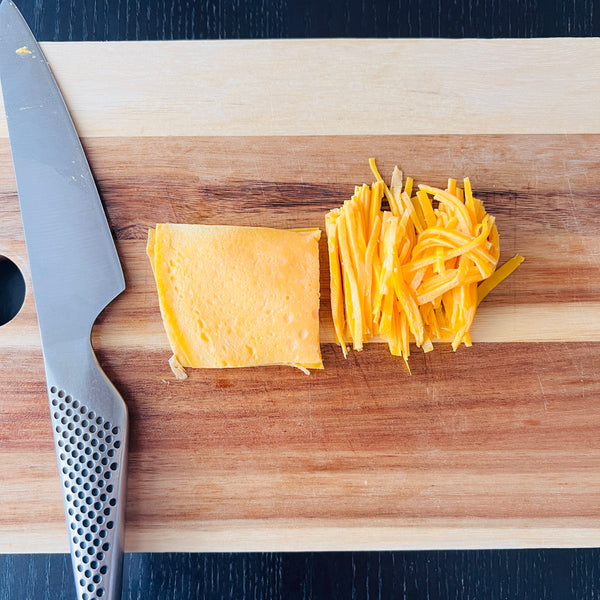
5) Cutting the Egg Into Strips
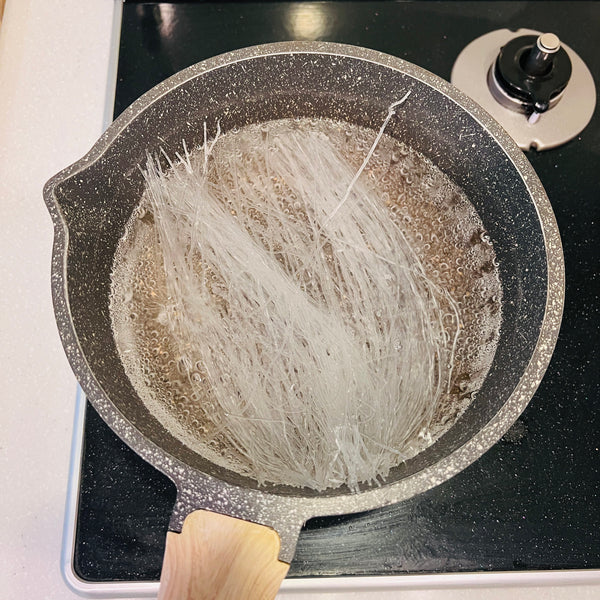
6) Boiling the Harusame (Glass Noodles)
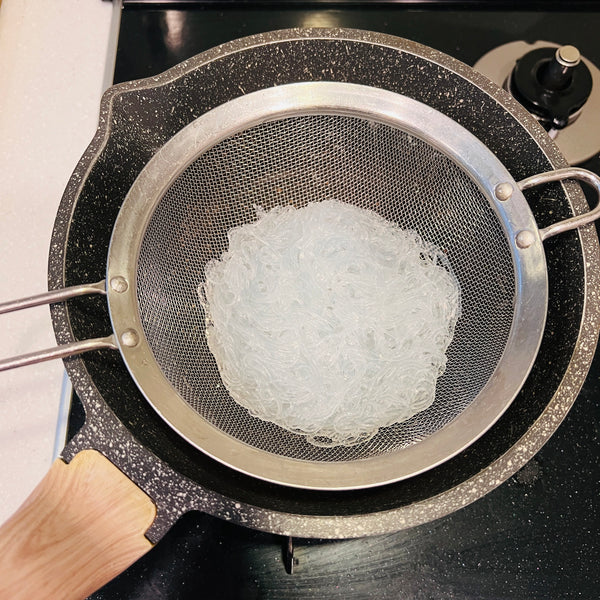
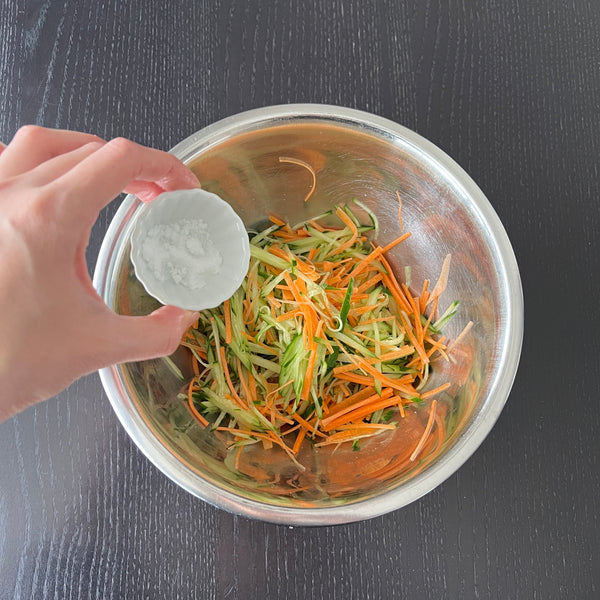
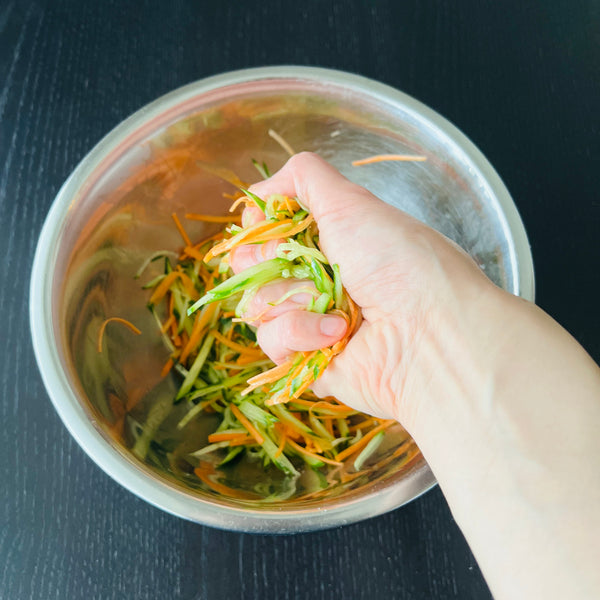
7) Putting the Harusame Salad Together
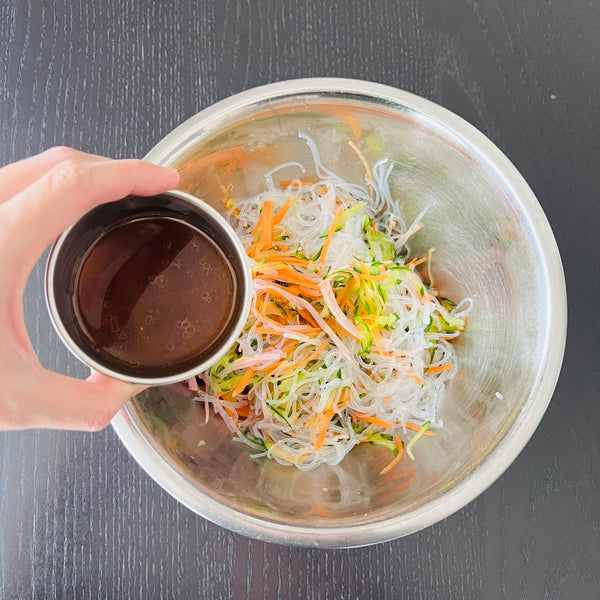
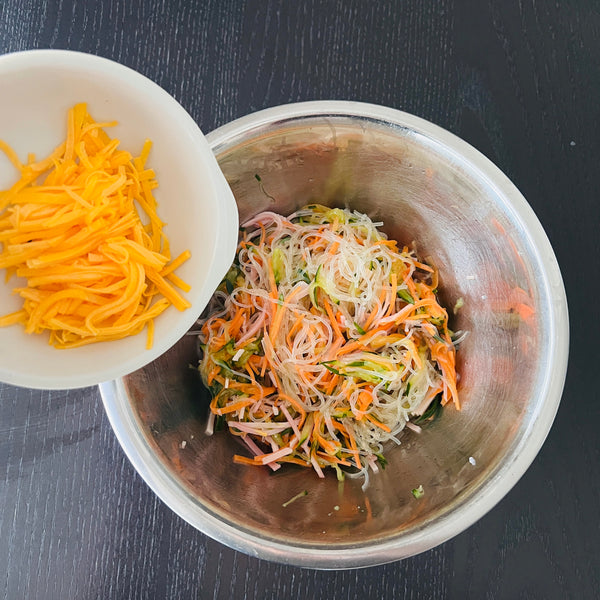
8) Garnishing and Serving Harusame Salad