
Jump to:
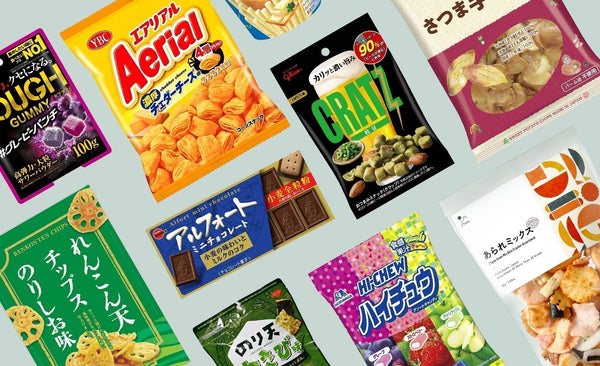
This guide covers the full spectrum of Japanese snacks, from childhood classics like dagashi and familiar favorites to underrated gems, including konbini staples and highest-rated regional specialties, plus artisanal sweets and savory treats you can only find in Japan.
How we decided
This guide is kinda long (because, obviously, Japan has so many amazing snacks), so feel free to check the table of contents and jump straight to whatever you’re craving.
Our recommendations

Sweet Snacks
Japanese Chocolates
Japanese chocolates are known for its smooth, creamy texture, balanced sweetness, and refined flavors. Unlike many Western chocolates, which can be overly sweet or slightly waxy, Japanese chocolate emphasizes subtlety.
Cultural factors, such as Valentine’s Day traditions of giri choco (obligation chocolate) and honmei choco (romantic chocolate), also shape the way chocolate is crafted, packaged, and gifted in Japan, making it not just a treat but a cultural experience.
Major Japanese chocolate brands are dominated by Meiji, Lotte, Morinaga, Glico, and Fujiya. Popular products include Meiji’s chocolate bars, Lotte’s Ghana, and Morinaga’s Dars. Premium options include Royce’, a Hokkaido-based brand known for its rich Nama Chocolate and Royce Potato Chip Chocolate.
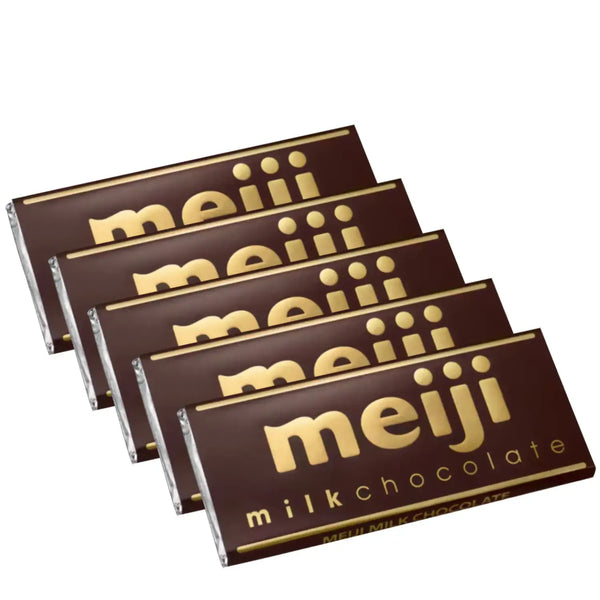
Meiji Milk Chocolate
From the top-selling confectionery brand in Japan, Meiji's milk chocolate has been a beloved staple in Japan since 1926, known for its smooth texture and perfectly balanced milk-to-cacao flavor. It has a refined sweetness that isn’t overly sweet, making it easy to enjoy piece after piece.
Pros
Cons
Glico Pocky Almond Crush
Classic chocolate‑coated biscuit sticks topped with crunchy almonds, adding a nutty, textured twist to the original Pocky. I also personally like the salted caramel flavor. Not all convenience stores carry it, but if you chance upon the caramel, please give it a try!
Pros
Cons
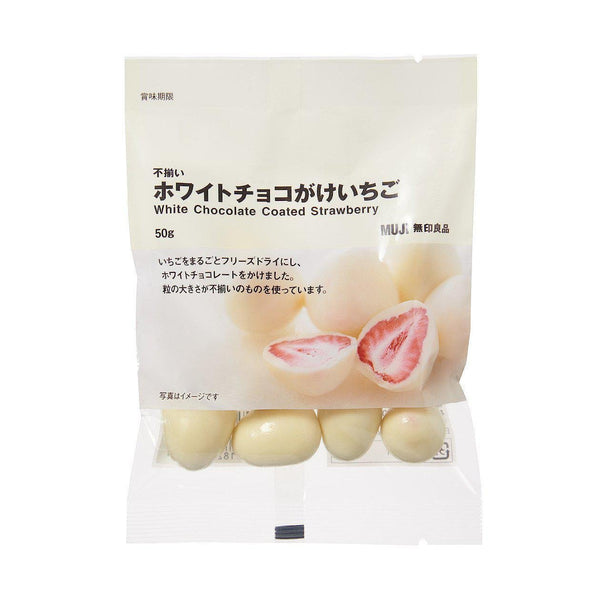
Muji White Chocolate Covered Strawberries
Muji, a popular Japanese retailer known for minimalist, high-quality products, makes these super tasty freeze-dried strawberries coated in a smooth layer of white chocolate. The tart strawberries and sweet chocolate create a delicious, crunchy, and airy snack.
They're also available in matcha, chocolate, and strawberry flavors.
Pros
Cons
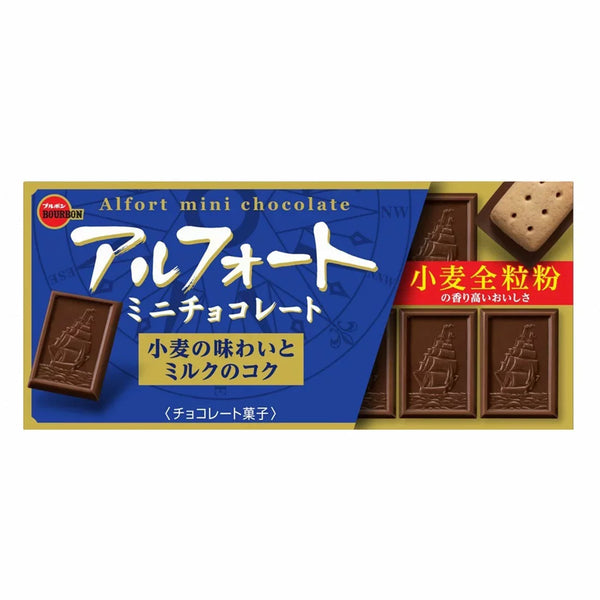
Bourbon Alfort Mini Chocolate Whole Grain Biscuits
Absolutely addictive! Bourbon's Alfort is also my personal favorite next to Meiji milk chocolate. Smooth milk chocolate layered over a whole-grain biscuit creates the perfect balance of creamy and crispy. Trust me, you won’t be able to stop at just one!
Pros
Cons
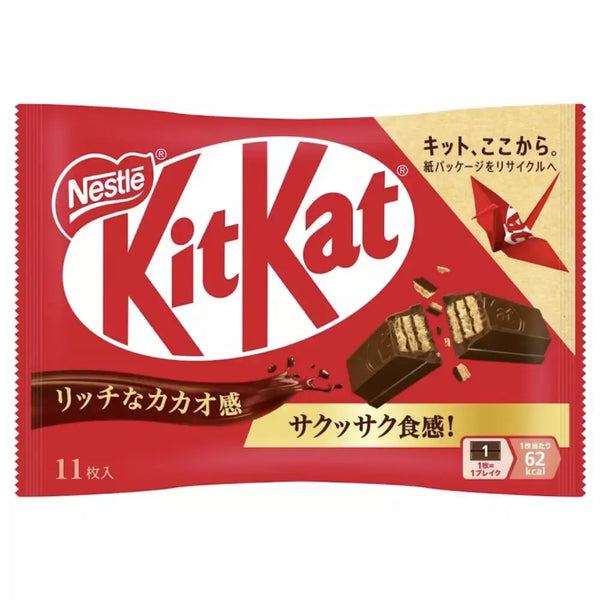
Nestlé Japanese Kit Kat Original Chocolate
Japanese KitKats from Nestlé are creamier and less sweet, while US KitKats, made by Hershey, are sweeter and richer. While KitKat isn’t a Japanese brand, it’s hugely popular in Japan partly because the name sounds like “kitto katsu” (“you will surely win”), making it a favorite exam-season gift. Japan is also known for its wide range of unique KitKat flavors.
Pros
- Smooth milk chocolate
- Satisfying crunch
- Popular exam-season gift
Cons
- Too sweet for some
- Easy to consume too many pieces at once
For the most popular Japanese chocolates, check out the best Japanese chocolate brands and their popular products.
Cookies & Biscuits
Japanese cookies and biscuits are lighter, crispier, and less sweet than Western ones, often made with local ingredients like Hokkaido milk, matcha, or Okinawan sugar. Note that these picks aren’t the mass-market brands like Yamazaki, Morinaga, and Fujiya; they’re regional favorites and specialty cookies, selected for quality, local ingredients, and gift-worthiness.
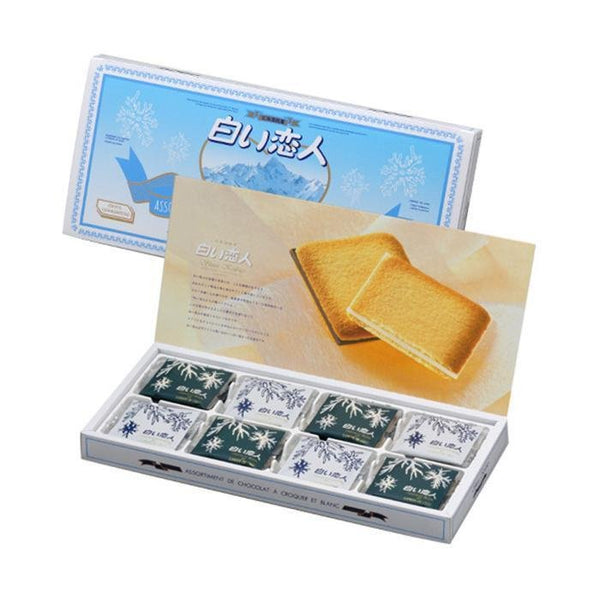
Ishiya Shiroi Koibito Cookies
A beloved Hokkaido treat for over 40 years, these light, crispy langue de chat cookies are sandwiched with premium white and dark chocolate. Individually wrapped in a box, they make a perfect gift or souvenir. This is the one to buy if you want a premium souvenir that stands out from the usual options.
Check out more Hokkaido snacks here.
Pros
Cons
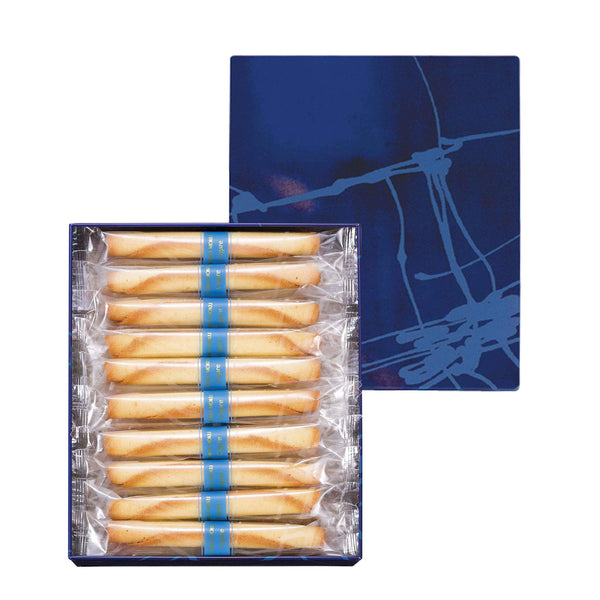
Yoku Moku Cigare/Cigar Cookies
These cookies are the definition of simple but refined indulgence. Carefully rolled into delicate cylinders, they have a soft-but-crisp texture, a buttery richness, and a subtle vanilla flavor that feels luxurious. Individually wrapped in a reusable tin, they’re the type of treat that impresses, perfect for gifting or savoring yourself. You get that sense of a classic Japanese confection that’s been loved for decades.
Pros
Cons
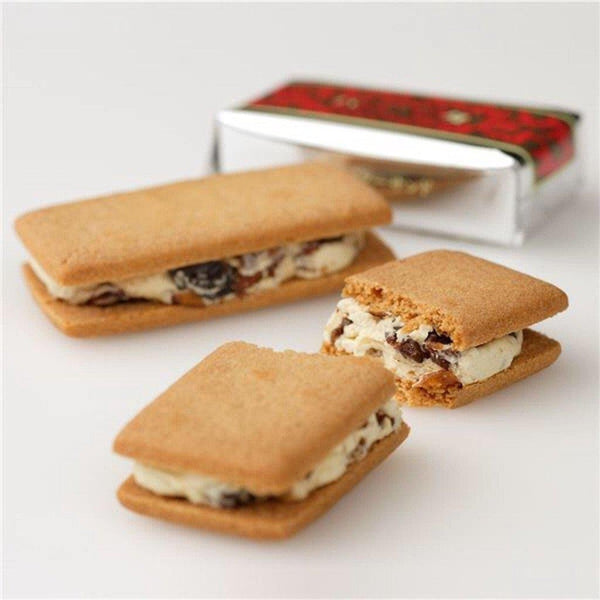
Rokkatei Marusei Butter Sandwich Cookies
This is a guilty pleasure for me. It’s a bit on the sweet side, but many people love it. These buttery sandwich cookies are filled with Hokkaido butter cream and raisins, with hints of rum, brandy, vanilla, and cinnamon. If you enjoy raisins, this is definitely for you. I’m not usually a fan, but I surprisingly enjoyed them.
Pros
Cons
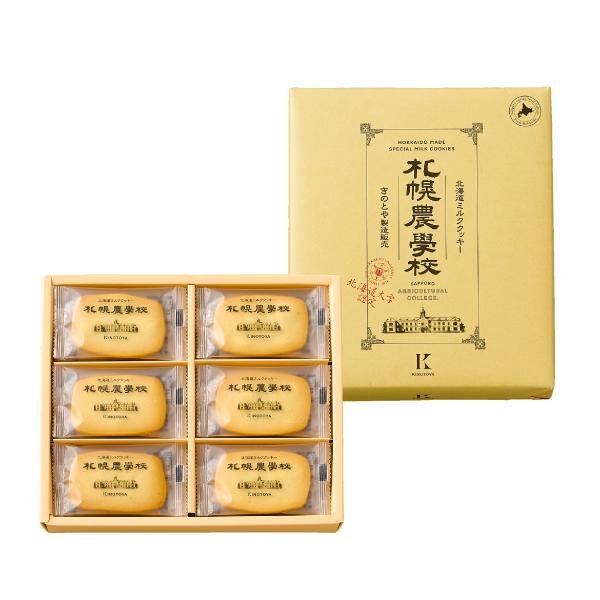
Sapporo Agricultural College Hokkaido Milk Biscuits
Light yet rich, this cookie is absolutely perfect for me! Made with Hokkaido wheat, fresh butter, and milk, it melts in your mouth, delivering a full, comforting milky flavor. It is honestly one of the best milky cookies I’ve ever had, and I would confidently recommend it, especially to those who enjoy a treat that is not too sweet yet utterly delectable.
Pros
Cons
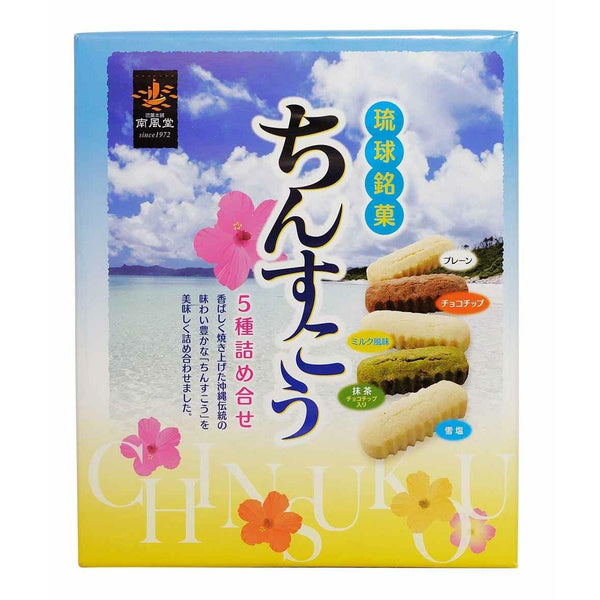
Okinawa’s Chinsuko Cookies
A must-try regional sweet, chinsuko are highly regarded as a quintessential Okinawan treat. These traditional shortbread cookies are made with lard, flour, and sugar, prized for their crumbly, melt-in-your-mouth texture and gentle sweetness. They come in a variety of flavors, including plain, yukishio (Okinawan salt), milk, chocolate, and matcha.
Pros
Cons
For a mix of premium and popular fun snacks, check out our guide on the best Japanese cookies! If you're looking for regional specialties, check out our curated Japanese cookie souvenir picks.
Japanese Cakes & Doughnuts
Japanese cakes and doughnuts or donuts are known for their lightness, texture, and subtle sweetness. They often feature high-quality local ingredients, such as Hokkaido milk, matcha, sweet potato, or regional fruits. Cakes in Japan are also usually neatly packaged, sometimes individually wrapped, making them perfect for gifts.
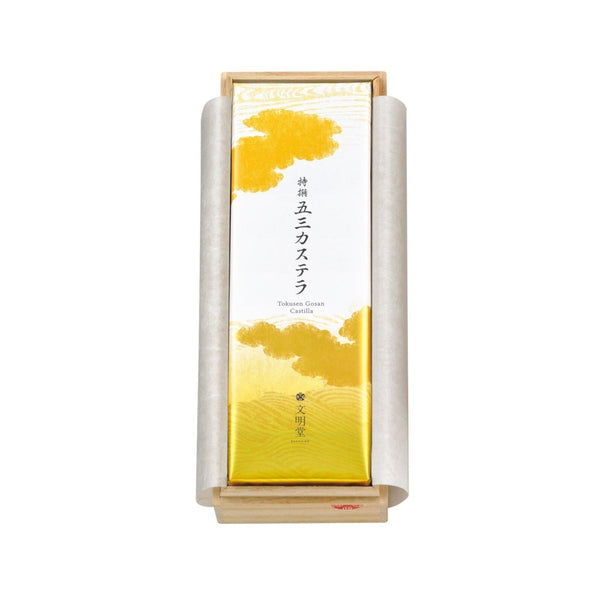
Bunmeido Handmade Castella Cakeastella Cake
Castella cakes in Japan are generally delicious, but this one from Bunmeido truly takes it to the next level. This handmade Nagasaki cake is moist, fluffy, and lightly sweet, with a subtle egg-and-sugar aroma. The coarse sugar on the bottom adds a delightful crunch, and the wooden box wrapping makes it an elegant gift. Unwrapping it feels truly special.
Pros
Cons
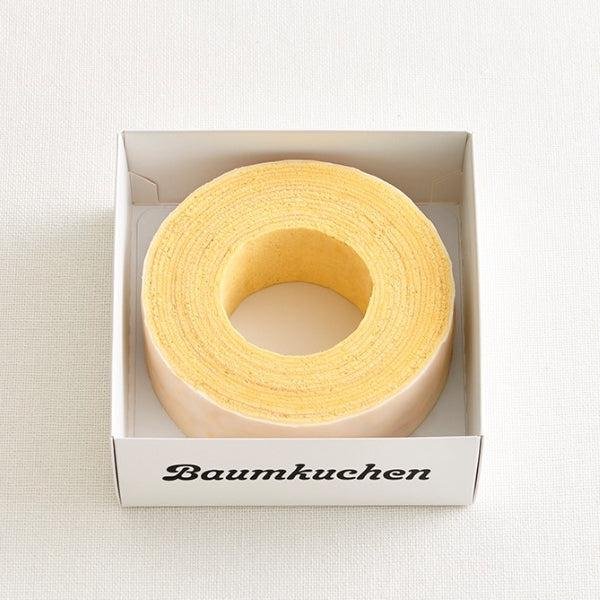
Juchheim Baumkuchen Ring Cake
Originally from Germany, Baumkuchen is a beloved pastry in Japan. This ring cake from Juchheim’s is baked using traditional German techniques with minimal additives, letting the natural flavors shine. This fluffy, slightly chewy cake is lightly almond-flavored and coated in a white chocolate glaze. Simply delectable.
Pros
Cons
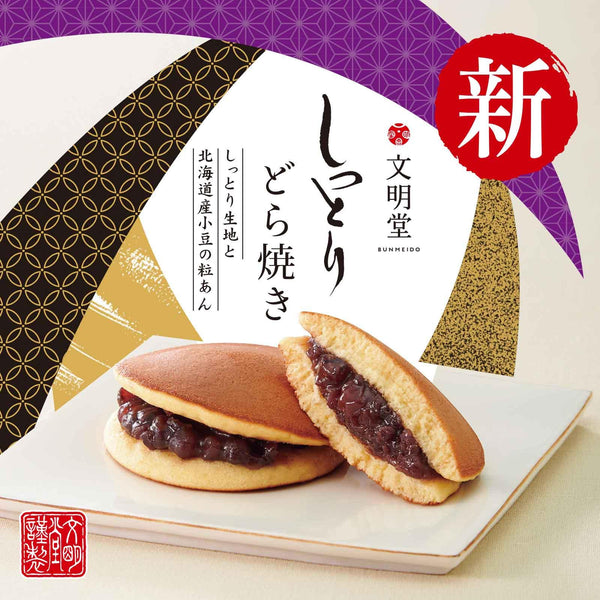
Bunmeido Dorayaki Pancakes
If you grew up watching Doraemon, you’re going to love this—it’s such a nostalgic treat, even if you didn’t grow up in Japan. This dorayaki is a smaller version of Bunmeido’s famous Mikasayama dorayaki, so it’s perfect when you want something sweet without overdoing it. The pancakes are super soft, fluffy, and just melt in your mouth, and the anko paste made from Hokkaido’s azuki red beans is sweet but refreshing.
Pros
Cons
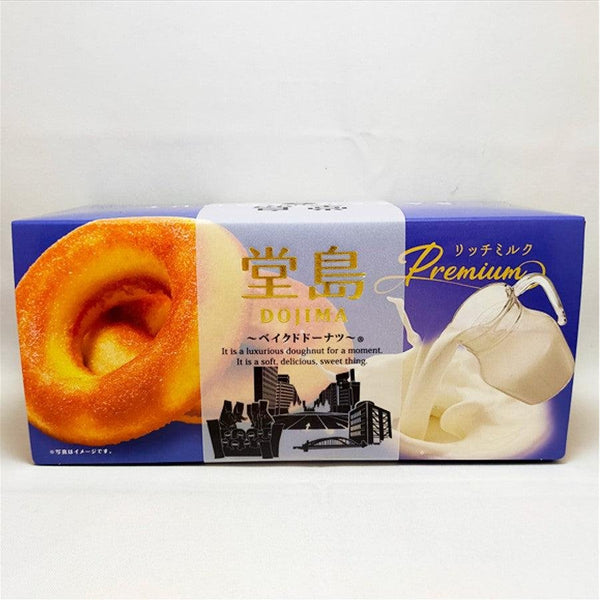
Dojima Rich Milk Baked Donut
If you love soft, fluffy, and milky doughnuts, Dojima's baked (not fried) donuts are an absolute must-try. Made in Kansai and a popular souvenir, these delights are bursting with a rich, creamy milk flavor and a tender, melt-in-your-mouth texture that makes every bite feel indulgent. Once you try one, you’ll understand why they’re so popular!
Pros
Cons
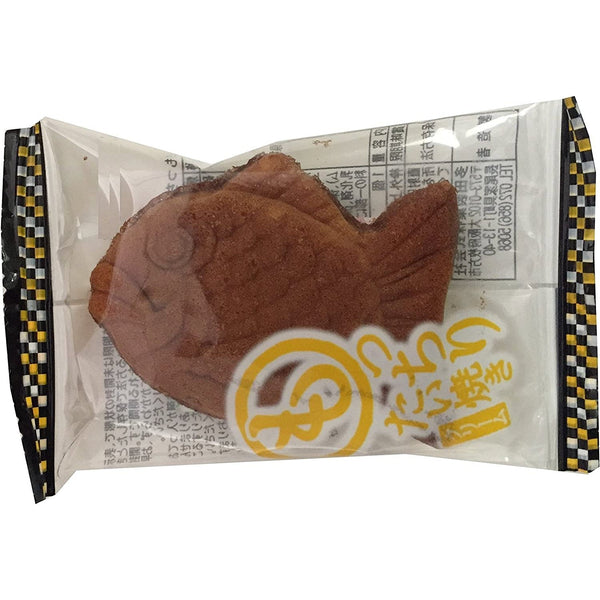
Tada Seika Taiyaki Fish-Shaped Cake
If you’ve never tried taiyaki, these classic Japanese sweets from Tada Seika are the perfect introduction. These mini fish-shaped waffles are filled with mildly sweet custard cream. They may look small and bite-sized, but each piece is surprisingly filling and satisfying on its own.
Pros
Cons
Mochi & Daifuku
Mochi is a traditional Japanese rice cake made from glutinous rice pounded into a sticky, chewy texture. It can be plain or flavored and is often eaten grilled, toasted, or in soups.
Examples include plain mochi, kinako mochi (with roasted soybean flour), matcha mochi, and isobeyaki (grilled with soy sauce and seaweed).
Daifuku, on the other hand, is a type of mochi that always has a filling inside. The most common filling is anko (sweet red bean paste), but modern variations include fruit, ice cream, chocolate, or cream.
Popular daifuku types include ichigo daifuku (with a whole strawberry), mame daifuku (mochi with beans inside), and yukimi daifuku (ice cream-filled).
Here are some of the best-selling mochi and daifuku you can try:
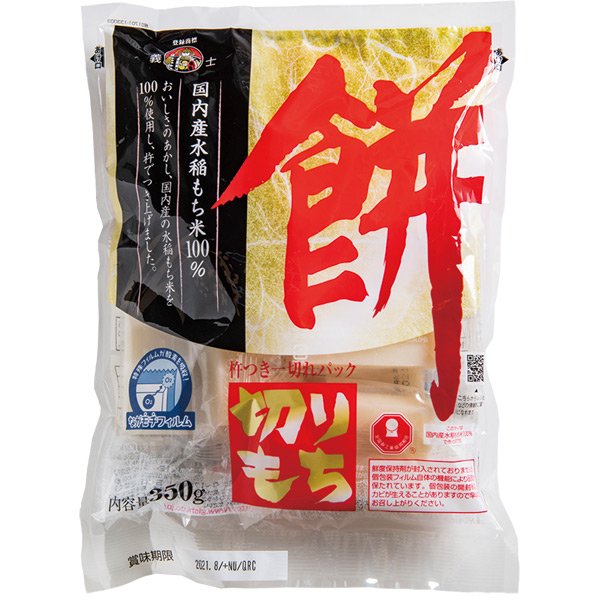
Kirimochi Dried Square Mochi Rice Cake
Made from 100% Japanese glutinous rice, Gishi Kirimochi's dried mochi is chewy, versatile, and perfect for sweet or savory dishes. Just microwave for 1–1.5 minutes or heat in a toaster oven. Enjoy with kinako (soybean powder), azuki paste, in soup, or wrapped in nori for a quick Japanese treat!
Pros
Cons
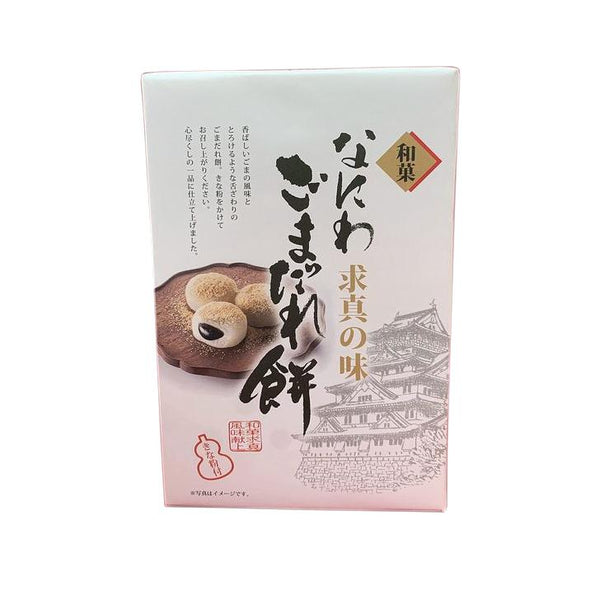
Naniwaya Black Sesame Paste And Kinako Mochi
Soft, chewy mochi filled with rich black sesame paste and served with toasted kinako powder, these treats are a sweet, nutty delight! These fluffy mochi balls are packed with intense black sesame flavor, and the included kinako powder lets you enjoy them sprinkled on top or on their own. A must-try for anyone who loves rich, nutty flavors!
Pros
Cons
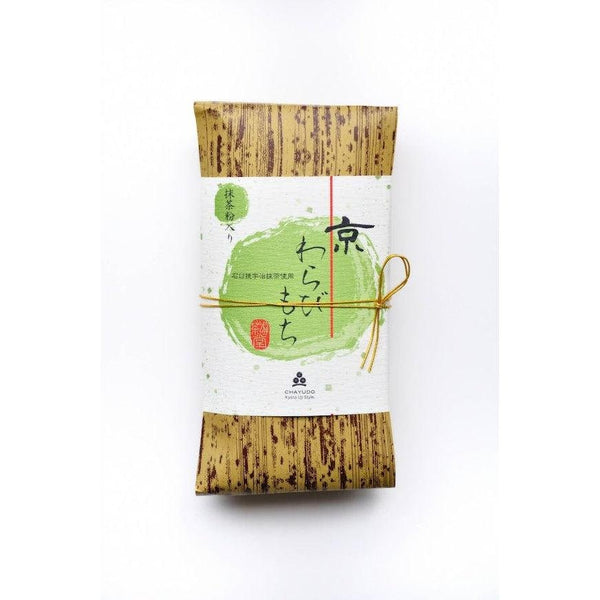
Chayudo Warabi Mochi Uji Matcha & Kinako Warabimochi
Soft, gelatinous, and refreshing, this dessert offers an authentic taste of Kyoto! Made with matcha from Uji, the birthplace of Japan’s finest green tea, this set includes a slab of warabi mochi with kinako matcha powder. Simply cut into pieces and sprinkle the powder on top, or chill for a cool, refreshing treat!
Pros
Cons
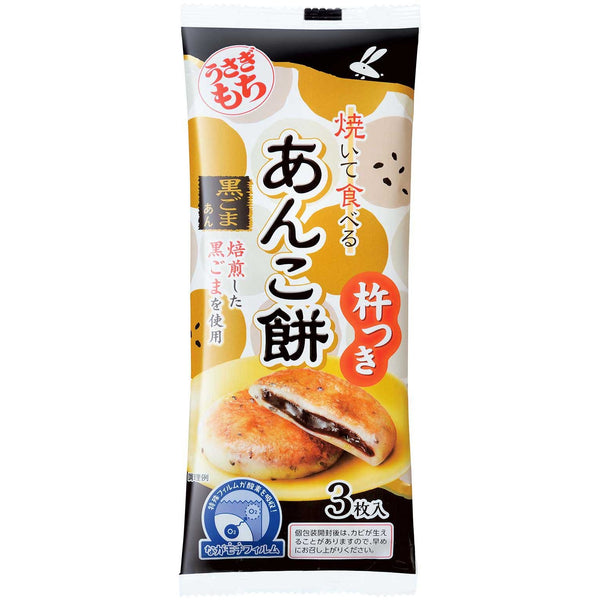
Usagimochi Azuki Bean Paste Filled Dried Mochi
Nutty and chewy on the inside with a lightly crispy exterior, these mochi are a rich, satisfying treat! Soft rice cakes are filled with sweet azuki red bean paste and roasted black sesame. Just toast or pan-fry for a few minutes until golden.
Pros
Cons
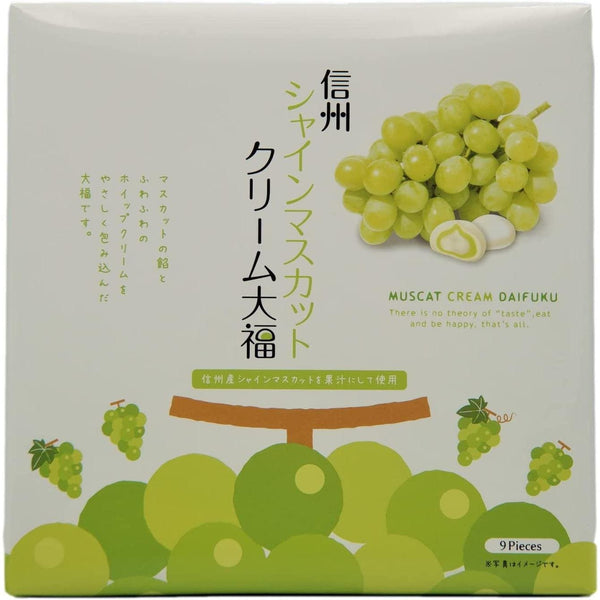
Shine Muscat Cream Filled Daifuku Mochi
Soft mochi rice cakes filled with whipped cream and white bean paste infused with Shine Muscat grape juice. Sweet, fruity, and creamy, this daifuku offers a delightful blend of flavors and textures.
Pros
Cons
If you want to try more traditional Japanese sweets, we’ve rounded up 64 kinds of traditional wagashi for you to explore.
Candies & Gummies
Japan’s candy scene includes many chewy gummies, soft candies, and hard candies that are different from Western sweets in taste and texture. Japanese candy is generally less sweet and more creative in flavors, often featuring fruit, soda, or traditional ingredients like matcha and ume plum. Portion sizes also tend to be smaller. See this for full context on these differences and types of Japanese candy compared with American candy.
Leading gummy brands include Morinaga’s famous Hi-Chew, offering soft, chewy, and sour-coated varieties, UHA Mikakuto (Kororo, Puchao, Sakeru), Kanro (Pure Gummy), and Kabaya (Tough Gummy). Popular traditional and hard candies include Morinaga Ramune (fizzy soda tablets), Fujiya (Milky Candy), and Konpeito (spiky, colorful sugar candies).
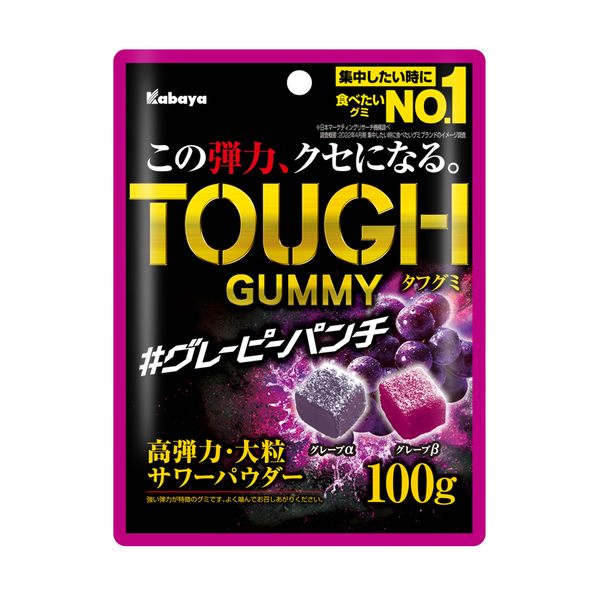
Kabaya Tough Gummy Alpha & Beta Grape
These are not your typical soft gummies. Kabaya Tough Gummy is famous for its extra-firm texture, and the large grape-flavored pieces are bold, juicy, and extremely satisfying to chew. According to a Japan Marketing Research Survey, Tough Gummy is the No.1 gummy people reach for when they want to concentrate, making it a go-to convenience store snack for long work or study sessions.
Pros
- Extra chewy texture
- Bold grape flavor
- Long-lasting candy
Cons
- Not for soft gummy fans
- Very firm texture
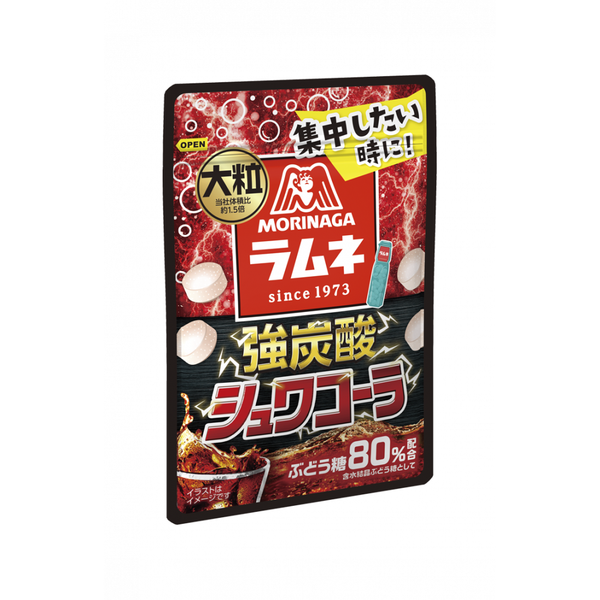
Morinaga Ramune Strong Fizzy Candy Sparkling Cola
Inspired by Japan’s popular ramune soda drinks, these fizzy cola candies have a refreshing burst of tangy sweetness. The tablet-style candy melts quickly in your mouth while giving a light sparkling sensation that mimics carbonation. They’re playful, nostalgic, and perfect when you want a quick, refreshing treat!
Pros
- Fun fizzy texture
- Refreshing cola taste
- Light and snackable
Cons
- Dissolves quickly
- Less intense flavor
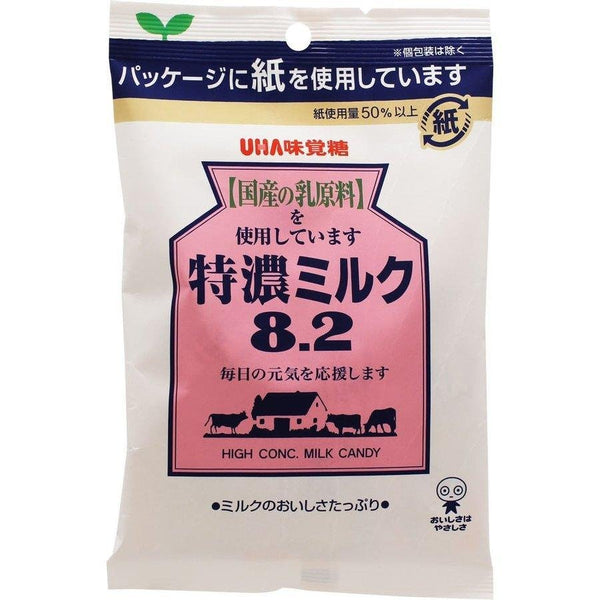
UHA Mikakuto 8.2 Milk Candy
These creamy hard candies are made with fresh Hokkaido cream and butter, giving them a rich milk flavor that slowly melts in your mouth. The smooth sweetness and silky texture make them one of Japan’s most comforting classic candies. They’re simple but incredibly satisfying if you enjoy milk-based sweets.
Pros
- Rich milk flavor
- Smooth creamy texture
- Long-lasting candy
Cons
- Sweet for some
- Sticky if over-chewed
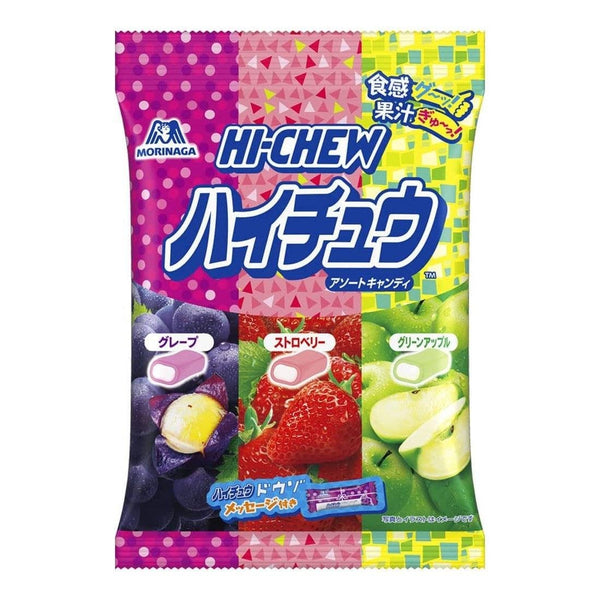
Hi-Chew Japanese Soft Fruit Candy 3 Flavors
One of Japan’s most famous candies, Hi-Chew is known for its soft, stretchy texture and juicy fruit flavors. This assortment includes grape, strawberry, and green apple made with real fruit juice and puree. If you want the most classic Japanese chewy candy, this is the one to try. For more flavors, check out the complete Hi-Chew list.
Pros
- Juicy fruit flavor
- Soft chewy texture
- Huge flavor variety
Cons
- Sweet for some
- Sticks to teeth
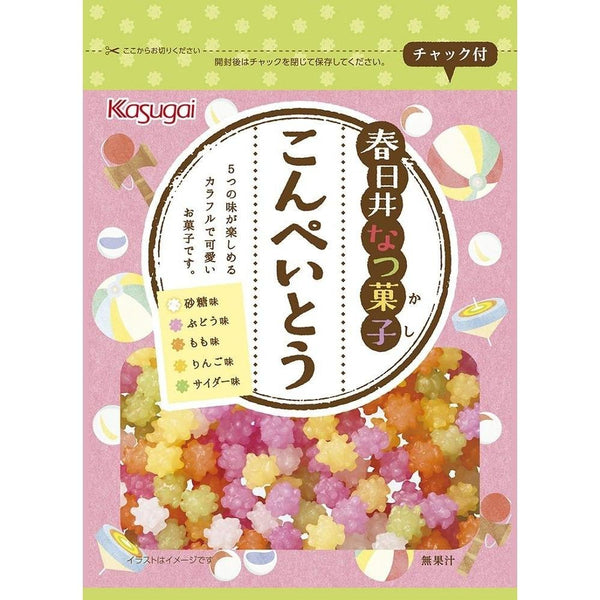
Kasugai Konpeito Japanese Sugar Candy 5 Flavors
Konpeito is a traditional Japanese sugar candy with a unique spiky shape created by repeatedly coating tiny sugar cores with syrup, giving a crunchy candy with delicate sweetness and a colorful appearance. It’s one of Japan’s oldest sweets and often appears in gift sets and festivals.
Pros
- Unique crunchy texture
- Colorful appearance
- Traditional Japanese sweet
Cons
- Very simple flavor
- Mostly sugar
For more options, check out our guide for the best Japanese candies!
Savory Snacks
Traditional Rice Crackers
Rice crackers are a classic Japanese snack made from rice, either glutinous or regular, shaped into small bite-sized pieces and baked or fried until crunchy. They are often seasoned with soy sauce, salt, seaweed, sesame, or shrimp, giving them a savory, umami-packed flavor. Rice crackers are a type of Japanese otsumami, which are finger food and traditionally enjoyed with drinks like beer or sake.
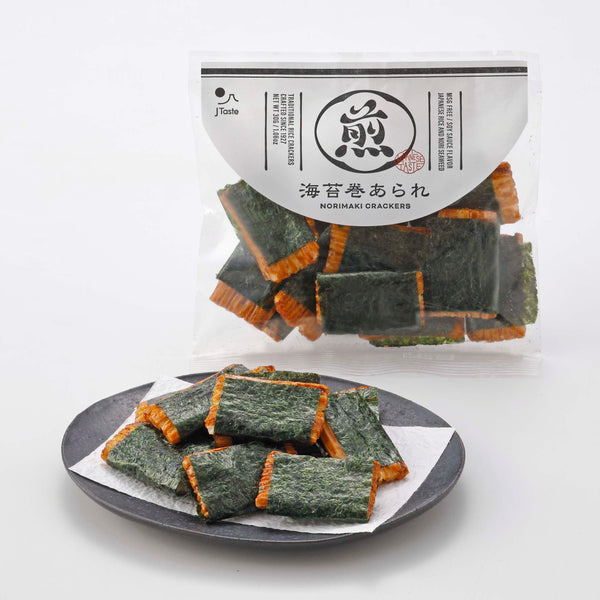
J Taste Norimaki Arare Nori Seaweed Rice Crackers
Baked, not fried, these classic bite-sized rice crackers combine crispy soy sauce–seasoned arare with savory strips of nori seaweed wrapped around each piece. Light yet satisfyingly crunchy, they’re highly snackable with a balanced mix of salty, toasty, and umami flavors.
Pros
- Crispy soy sauce flavor
- Savory nori wrap
- Light crunchy texture
Cons
- Small bite-size pieces
- Strong seaweed taste
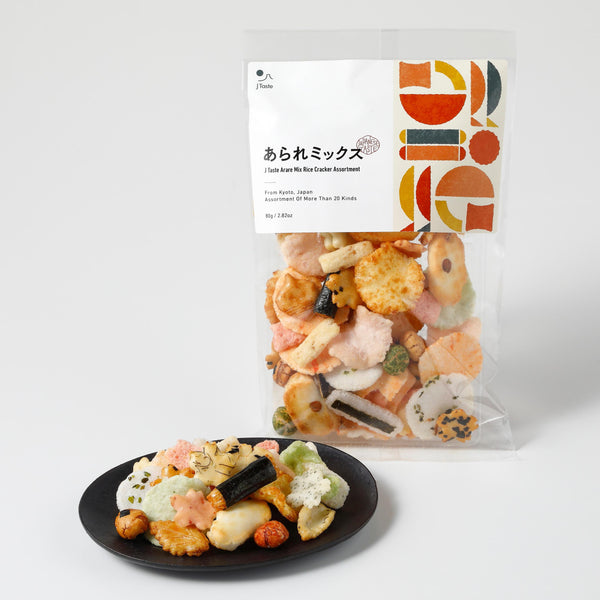
J Taste Arare Mix Rice Cracker
A colorful mix of 20+ bite-sized rice crackers in a single bag with flavors like soy sauce, nori, shrimp, and salt. Because the mix includes both crunchy and light puffy crackers, it’s an especially fun snack to share with friends or family!
Pros
- Wide flavor variety
- Mix of textures
- Perfect for sharing
Cons
- Some flavors mild
- Hard to pick favorites
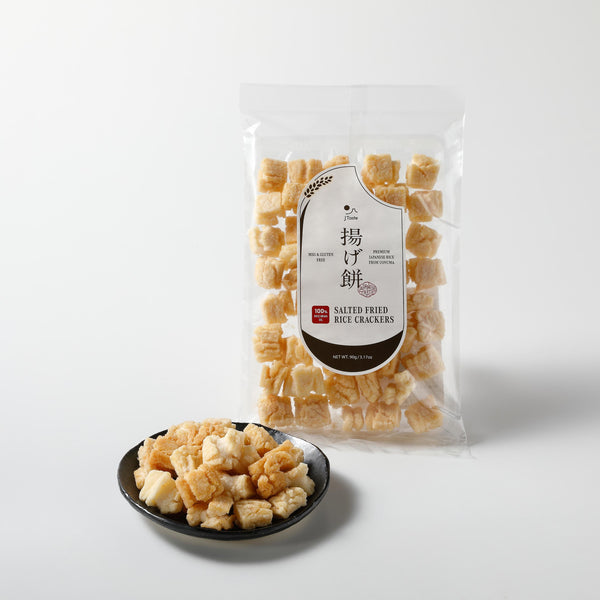
AJ Taste Agemochi Salted Crispy Japanese Rice Crackers
Agemochi are light, crunchy Japanese rice crackers made with premium Uonuma rice, a region famous for producing some of Japan’s highest-quality rice. Gluten & MSG-free, they are lightly fried in rice bran oil and salted for a natural, satisfying flavor. It's a comforting taste of traditional Japanese rice crackers.
Pros
- Clean salty flavor
- Extra crispy texture
- Premium rice quality
Cons
- Simple seasoning
- Easy to overeat
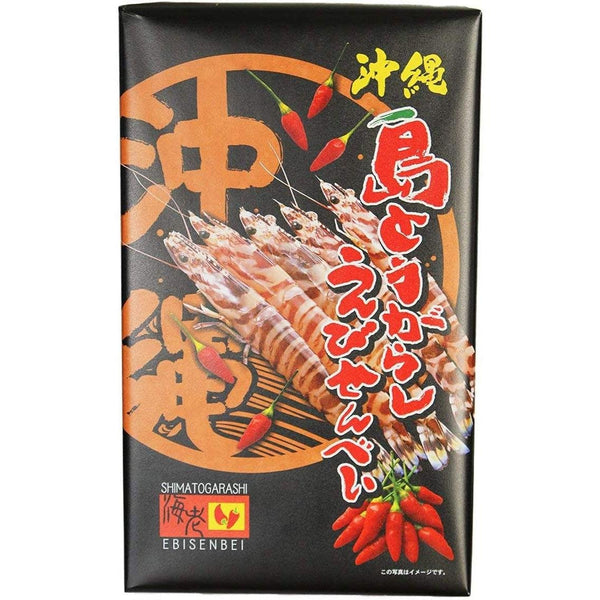
Nanpudo Okinawa Spicy Shrimp Rice Crackers
Flavored with real shrimp powder and seasoned with a touch of shima togarashi, a local Okinawan chili pepper known for its bright, slightly sharp heat. The combination creates a snack that is savory, slightly spicy, and full of umami flavor. They’re especially enjoyable alongside beer or other drinks.
Pros
- Real shrimp flavor
- Pleasant spicy kick
- Bold savory taste
Cons
- Strong seafood flavor
- Slightly salty
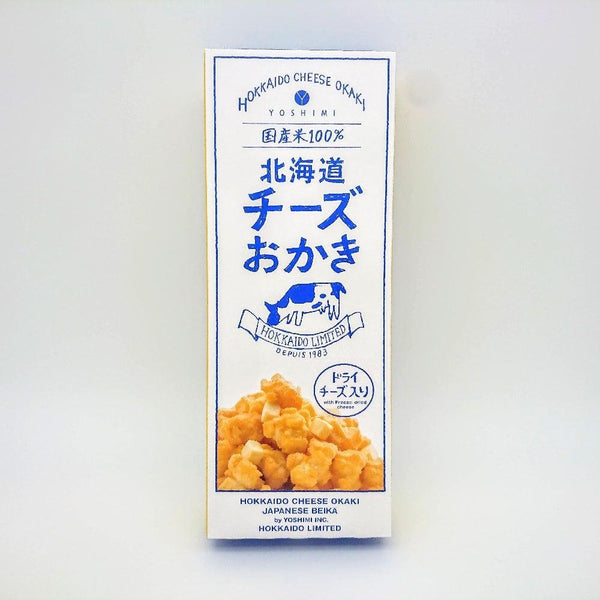
Yoshimi Hokkaido Cheese Okaki Cheesy Rice Crackers
Cheesy rice crackers made with gouda and cheddar powder, plus tiny freeze-dried cheese cubes. Produced in Hokkaido, these crackers deliver a creamy, savory taste that stands out from traditional soy-based rice snacks. If you enjoy cheese-flavored snacks, this is one of the most unique rice cracker varieties to try.
Pros
- Rich cheese flavor
- Crunchy okaki texture
- Unique cheese cubes
Cons
- Rich for some
- Slightly pricey
Seaweed-Based Snacks
Light, crunchy, and packed with nutrients, nori seaweed snacks are a guilt-free Japanese treat. Low in calories, high in vitamins and minerals, and perfect on their own or over rice, they’re a savory snack that’s as healthy as it is addictive!
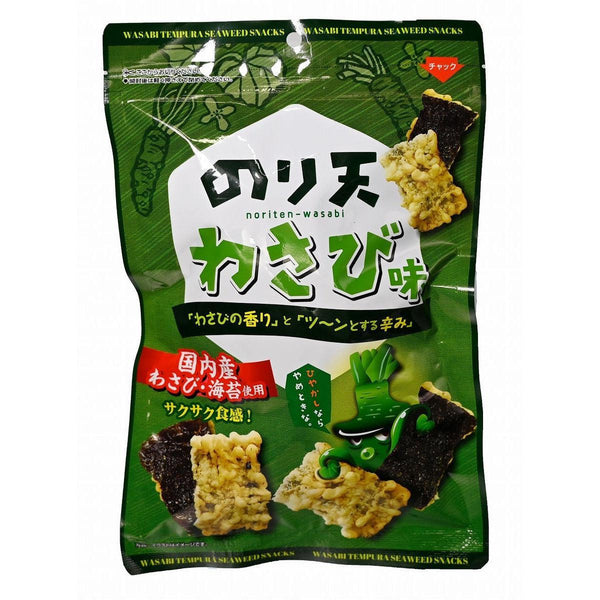
Noriten Wasabi Tempura Seaweed Snack
Crispy wasabi tempura seaweed combines real nori with a touch of wasabi for a savory, crunchy snack. A gentle wasabi kick rounds out the flavor, adding a slightly sharp yet refreshing finish without overpowering the taste. I can say it's easy to enjoy even if you’re not used to strong wasabi heat.
Pros
- Light wasabi kick
- Crunchy tempura texture
- Strong umami flavor
Cons
- Slightly oily
- Wasabi may be mild
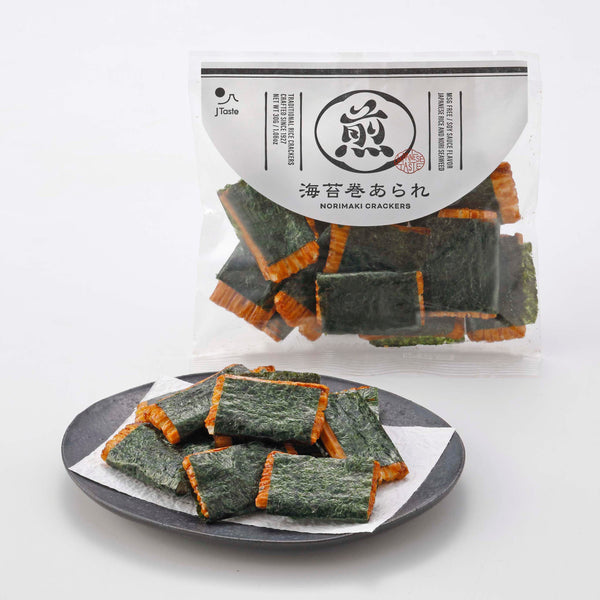
J Taste Norimaki Arare Nori Seaweed Rice Crackers
These rice crackers were already mentioned earlier in the rice cracker section, but I’m repeating them here because they also work really well as a seaweed-based snack! Many reviewers love this for its fresh crunch and authentic Japanese flavor. Some customers mention the portions are a bit smaller than expected, so perhaps you might want to grab a pack of 10. I have a feeling you’ll also end up snacking through them pretty quickly!
Pros
- Crunchy rice texture
- Savory soy flavor
- Vegan-friendly
Cons
- Small bite-size pieces
- Strong seaweed flavor
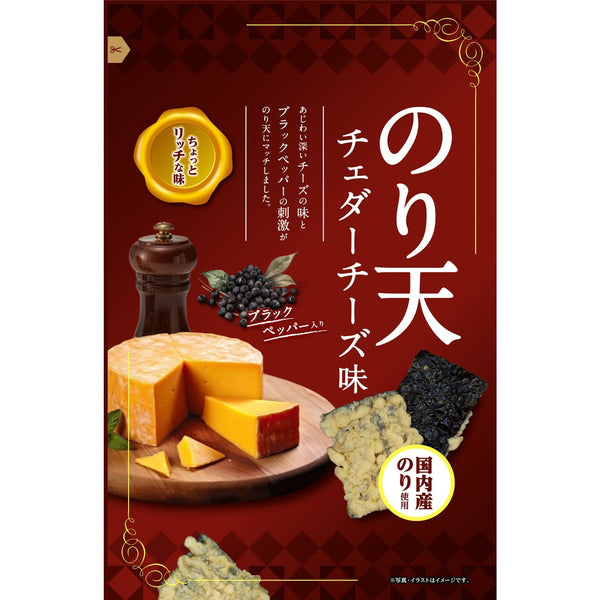
Cheddar Cheese Nori Seaweed Tempura Snack
I really enjoyed how crispy the tempura-coated nori is in this snack. It’s seasoned with rich cheddar cheese and a hint of black pepper, giving it a bold, savory flavor. The combination of cheesy richness and crunchy seaweed makes it feel a bit indulgent, but in a very satisfying way.
Pros
- Rich cheddar flavor
- Crispy tempura crunch
- Unique flavor combo
Cons
- Rich for some
- Slightly greasy
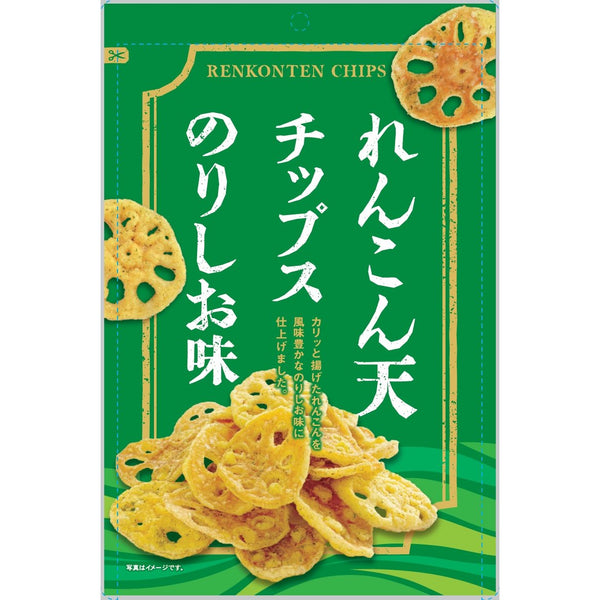
Renkon Chips Salted Nori Seaweed Lotus Root Snack
These crispy chips combine thin slices of lotus root with nori seasoning and salt. Compared with regular potato chips, renkon chips are crispier, slightly sweeter, and often considered a lighter, healthier alternative. Their unique, airy, hole-patterned slices give them a firmer, nuttier bite, and lotus root naturally provides fiber and nutrients like vitamin C and potassium.
Pros
- Unique lotus root chips
- Unique lotus root chips
- High fiber snack
Cons
- Salty for some
- Smaller portion size
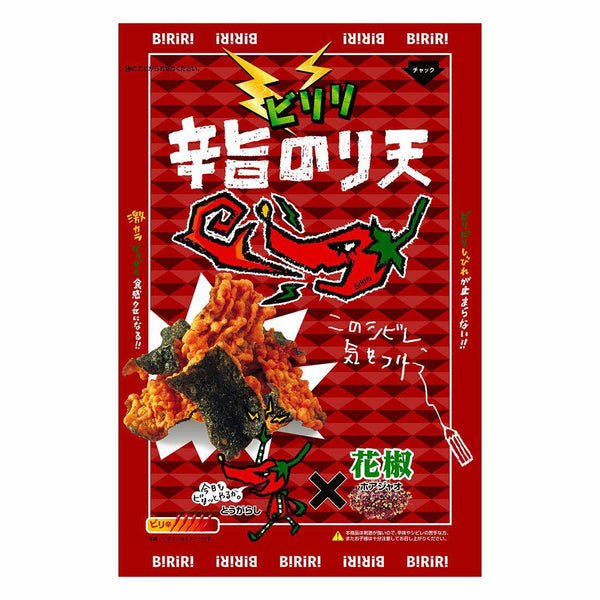
Noriten Biriri Kun Spicy Togarashi Tempura Seaweed Chips
For spice lovers like me, these crispy tempura seaweed chips are seriously satisfying. Coated in a bold blend of chili and shichimi togarashi, Japan’s classic seven-spice mix, they have a punchy balance of heat, saltiness, and a subtle hint of sweetness!
Pros
- Bold spicy flavor
- Crunchy tempura texture
- Addictive seasoning
Cons
- Spicy for some
- Can be salty
Check out more nori snacks here!
Japanese Nuts & Snack Mixes
Many classic Izakaya dishes like edamame, karaage, and yakitori are traditional otsumami, but packaged snacks are just as popular for casual drinks at home. Japanese nut and snack mixes combine roasted nuts with rice crackers, seaweed, or tiny dried fish, seasoned with Japanese flavors like soy sauce, wasabi, chili, or yuzu.
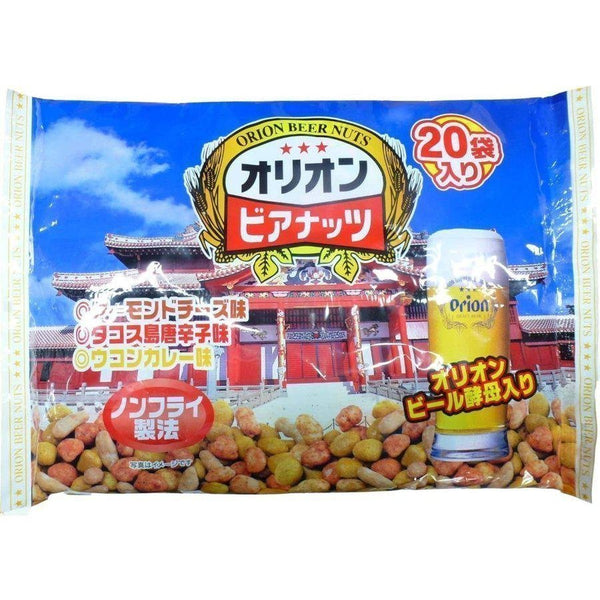
Jumbo Orion Beer Snack Nuts in 3 Unique Okinawa Flavors
These snacks bring a tropical Okinawan twist to classic beer snacks! Roasted nuts are seasoned in bold island-inspired flavors like Tacos Island pepper, turmeric curry, and almond cheese. They’re non-fried but still incredibly crunchy!
Pros
- Crunchy roasted nuts
- Okinawan flavors
- Convenient small packs
Cons
- Small portions
- Hard to stop at one bag
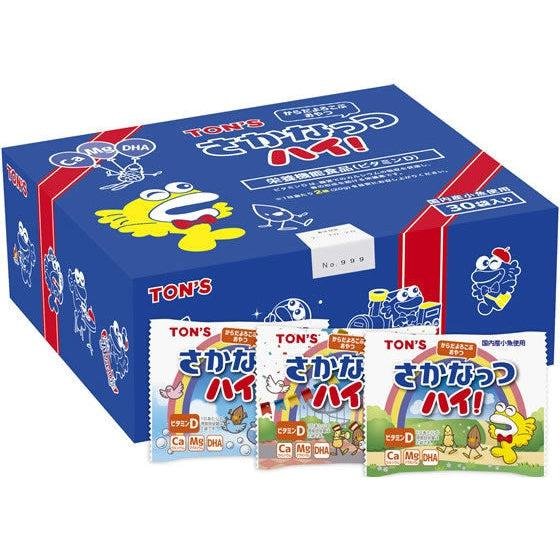
Ton's Sakanuts Hi! Dried Fish Snack with Mixed Nuts
A long-time favorite Japanese snack with roasted almonds, peanuts, and small dried sardines. The combination of salty fish and crunchy nuts creates a deeply savory umami flavor that pairs surprisingly well with drinks. It’s also a nostalgic snack many Japanese people grew up eating, and a surprisingly nutritious one too.
Pros
- Strong umami flavor
- Crunchy texture mix
- High in calcium
Cons
- Fish flavor strong
- Slightly salty
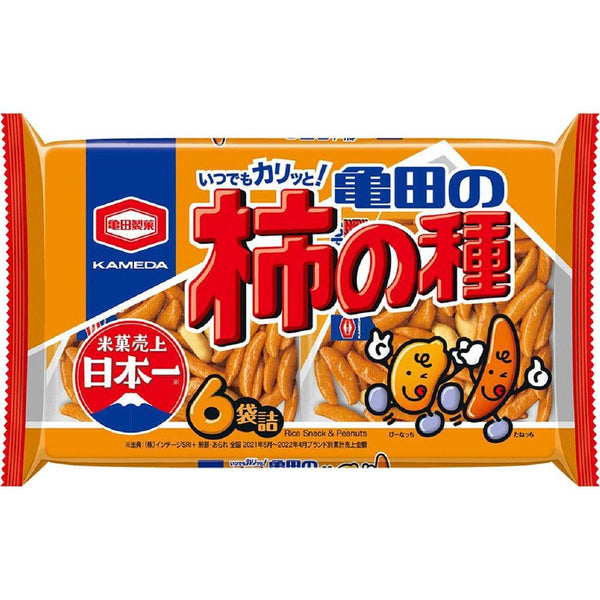
Kameda Seika Kakinotane Snack Rice Crackers with Peanuts
This is probably one of the most popular snack mixes you’ll spot in Japanese convenience stores. Kaki no tane literally means “persimmon seeds” and mixes crescent-shaped soy sauce–seasoned rice crackers with roasted peanuts. It’s simple, classic, and dangerously snackable, easily one of Japan’s most iconic drinking snacks!
Pros
- Perfect crunch balance
- Savory soy flavor
- Iconic Japanese snack
Cons
- Slightly salty
- Easy to overeat
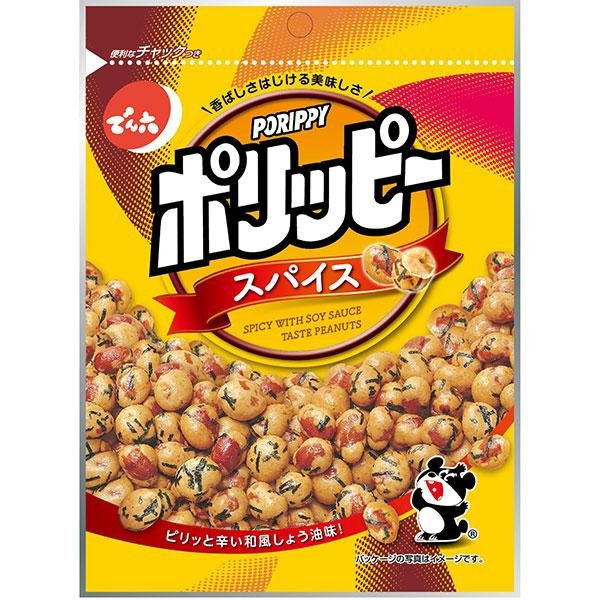
Denroku Porippy Peanut Snack Spicy Honey Flavor
With a sweet–salty umami balance, this snack combines roasted peanuts with soy sauce, spices, and lotus honey. Thin flakes of nori seaweed add an extra layer of savory depth. Crunchy, flavorful, and lightly sweet, it’s the kind of snack you’ll keep coming back to.
Pros
- Sweet, salty, umami balance
- Crunchy roasted peanuts
- Great with beer
Cons
- Small portion size
- Sweet flavor not for everyone
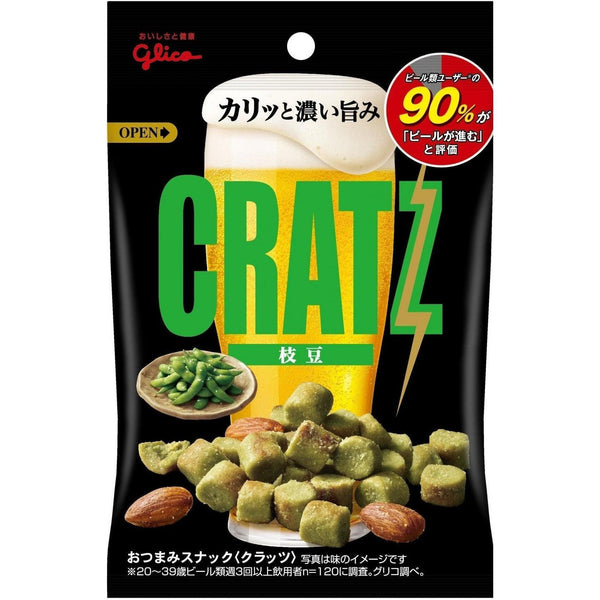
Glico Cratz Edamame Soybeans Savory Crunchy Snack
This pretzel snack features a rich edamame (soybean) flavor complemented by roasted almonds and a boost of umami from chicken and kelp extracts. Hard-baked into bite-sized pieces, it has a satisfying salty crunch! The combination of nutty, savory, and umami flavors makes it especially enjoyable as a hearty, protein-packed treat when you want something more flavorful than ordinary pretzels.
Pros
- Bold umami flavor
- Crunchy cracker and nut mix
- Perfect with beer
Cons
- Slightly salty for some
- Small pack size
Japanese Chips
Japan is famous for creative snacks you rarely see in the West. Think bold options like wasabi, wagyu, ume plum, and even unagi eel-flavored chips!
Japan’s favorite chips come from leading snack makers. Calbee offers classics like Potato Chips and Jagarico sticks, Koikeya delights with bold flavors like Karamucho, and Yamazaki has Chip Star (similar to Pringles) and Aerial, both light and crispy!
Also, it's worth noting that Meiji isn’t only popular for chocolate; they also make the well-loved corn snack Karl.
For this list, I chose one standout from each category: potato chips, corn chips, seafood shrimp chips, veggie-based chips, and spicy chips.
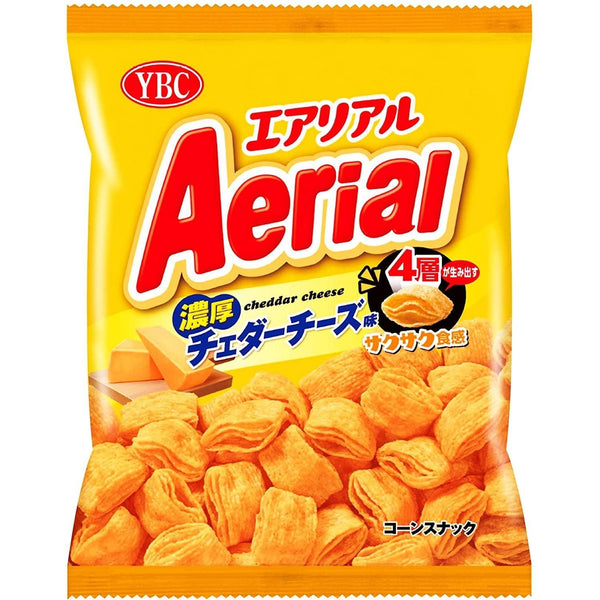
Yamazaki Aerial Rich Cheddar Cheese Corn Chips Snack
These airy corn chips feature the brand’s signature four-layer structure, creating a light, crispy texture that’s intensely crunchy yet melts easily in your mouth. This is coated using a double seasoning process, combining creamy cheese flavor with powdered cheddar.
Pros
- Rich cheddar flavor
- Light airy crunch
- Unique 4-layer texture
Cons
- Strong cheese flavor for some
- Easy to overeat
Calbee Jagarico Hokkaido Butter Potato Sticks
Jagarico is one of Japan’s most iconic potato snacks. Made from real potatoes from Hokkaido, these thick potato sticks are crunchy on the outside and slightly fluffy inside. The buttery seasoning gives them a rich, comforting flavor.

Pros
- Thick crunchy sticks
- Rich butter flavor
- Made with Hokkaido potatoes
Cons
- Butter flavor can feel rich
- Portion can feel small
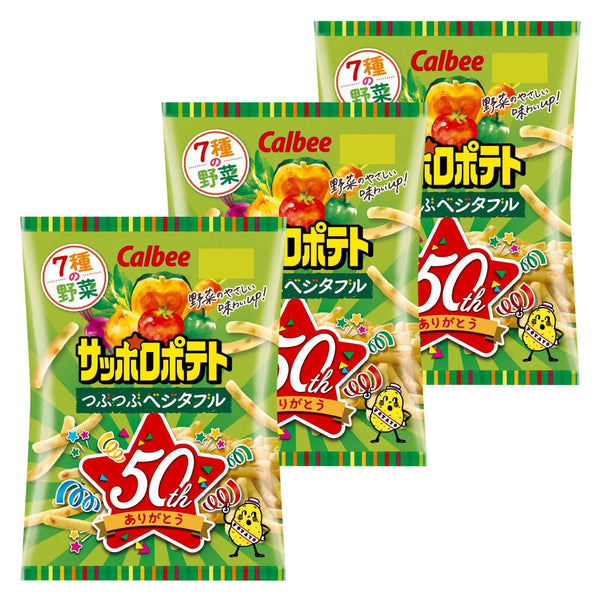
Sapporo Potato Mixed Vegetables Potato Sticks
How can a snack be so light yet so addictive? These crispy potato sticks are made from a mixture of potato, wheat flour, and vegetables like carrot, onion, and spinach, giving them a mild, savory taste that’s simple but satisfying. Their crunchy texture and gentle seasoning make them an easy snack to enjoy.
Pros
- Light and crunchy texture
- Blended vegetable ingredients
- Mild savory vegetable flavor
Cons
- Flavor is fairly subtle
- Not very filling
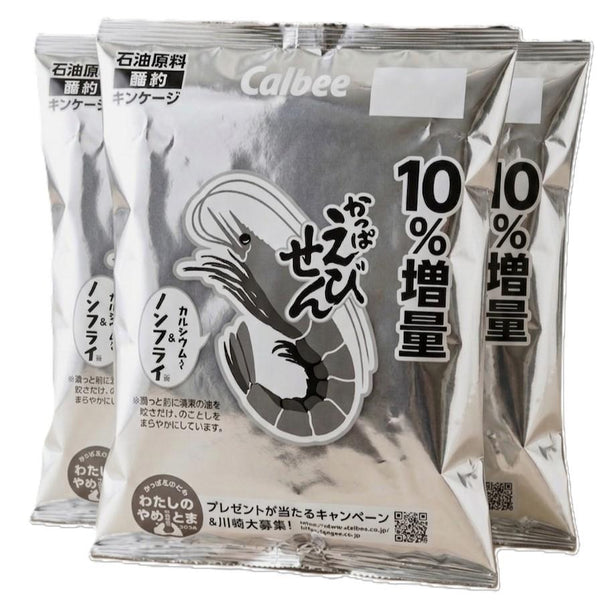
Calbee Kappa Ebisen Shrimp Chips
First introduced in 1964, Kappa Ebisen is one of Japan’s most iconic snacks. These crispy shrimp sticks are made with wheat dough and real shrimp, giving them a savory, ocean-like umami flavor with a subtle hint of sweetness. Baked rather than deep-fried, they have a light, airy, non-greasy texture and a satisfying crunch that makes them incredibly addictive.
Pros
- Strong shrimp umami
- Light crispy texture
- Unique Japanese flavor
Cons
- Shrimp flavor can be too strong
- High sodium
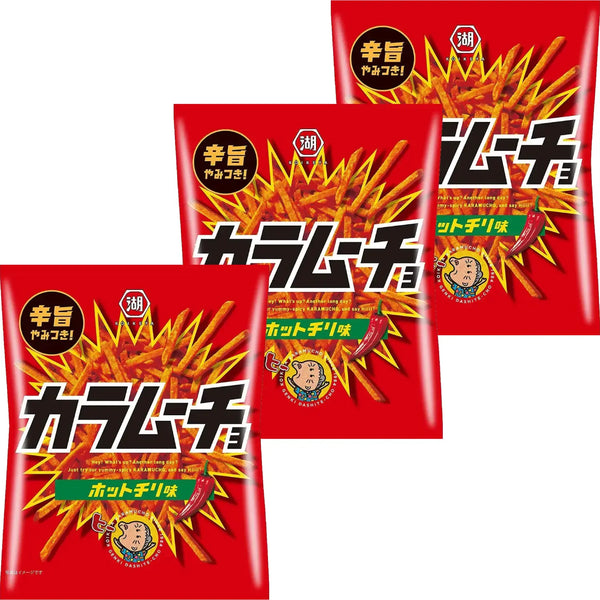
Koikeya Karamucho Hot Chili Spicy Potato Sticks
These thin, crispy potato sticks are coated in Koikeya’s signature “umakara” seasoning, a bold mix of chili pepper, garlic, onion, and savory meat and vegetable flavors. It has a balanced kick of heat, umami depth, and a hint of sweetness.
Pros
- Bold chili spice flavor
- Crunchy stick texture
- Addictive umami seasoning
Cons
- Spicy for sensitive palates
- Slightly salty
If you want to see even more popular convenience store options, check out this list of must-try konbini snacks!
Healthy & Dried Snacks
Japanese healthy snacks often focus on simple, natural ingredients like dried fruits, sweet potatoes, nuts, and soy-based foods. Many of these traditional treats are naturally sweet, high in fiber, and packed with nutrients, without relying on heavy processing or artificial flavors.
From chewy dried persimmons to naturally sweet dried sweet potatoes, these snacks are satisfying while still feeling light and wholesome. They’re perfect for a quick energy boost, a mindful snack between meals, or a healthier alternative to sugary treats.
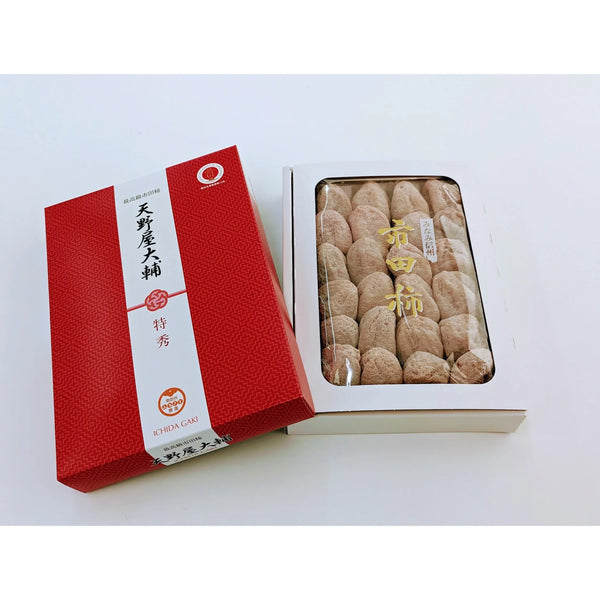
Ichidagaki Hoshigaki Premium Japanese Dried Persimmons
Premium hoshigaki made from carefully dried persimmons, cut into convenient bite-sized sticks. They offer a rich, concentrated sweetness and soft chewy texture that pairs perfectly with tea.
Pros
- Naturally sweet with no added sugar
- Soft chewy texture
- Easy bite-size pieces
Cons
- Seasonal availability
- Mild flavor compared to candy
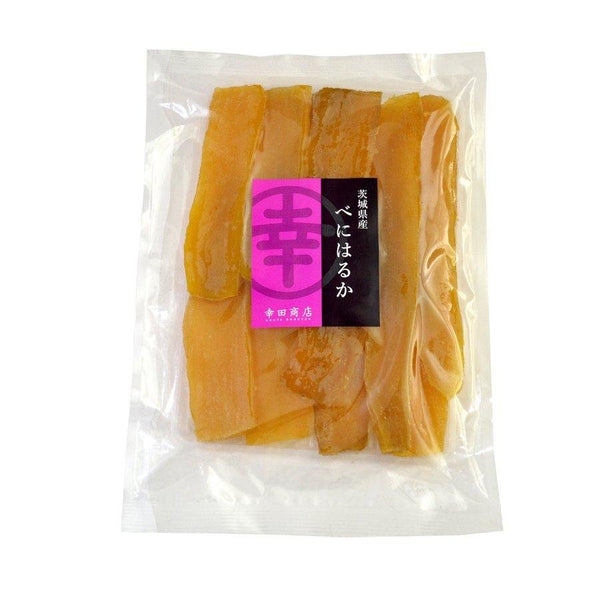
Hoshi-Imo Dried Japanese Sweet Potato Snack
Made from Beniharuka satsumaimo, one of Japan’s sweetest sweet potato varieties. These gently dried sweet potato slices are naturally creamy, chewy, and rich in fiber, vitamins, and potassium.
Pros
- Naturally sweet and filling
- High in fiber and nutrients
- Minimal processing
Cons
- Slightly sticky texture
- Mild sweetness
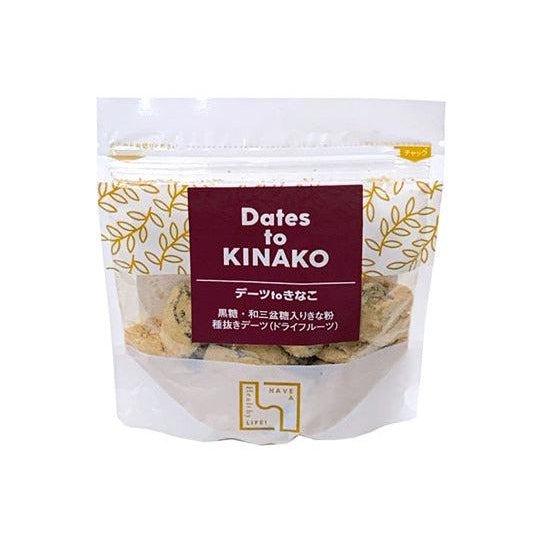
Takusei Dates to Kinako Dried Dates in Soybean Flour
Sweet dried dates coated in roasted kinako soybean flour and sesame powder. The combination adds nutty flavor, extra protein, and a melt-in-your-mouth texture.
Pros
- Unique kinako flavor
- High in protein and nutrients
- Naturally sweet
Cons
- Powder can be messy
- Small portion size
Honey Mother Handmade Assorted Gluten-Free Cookie Tin Box
I’ve tried some of Honey Mother's cookies, and I can say they’re small but packed with flavor and quality ingredients. This selection of handmade gluten-free cookies comes in eight unique flavors: honey, matcha, pumpkin, raspberry, and cocoa, made with organic rice flour and natural sweeteners. They also include three types of premium New Zealand honey giving each cookie a rich and varied taste.
This is perfect for anyone who is gluten-sensitive or for elderly loved ones who enjoy treats that aren’t too sweet but still feel premium and gift-worthy.

Pros
- Variety of 8 unique flavors
- Gluten-free and handmade
- Made with organic and natural ingredients
Cons
- Higher price point
- Small cookies may not feel filling
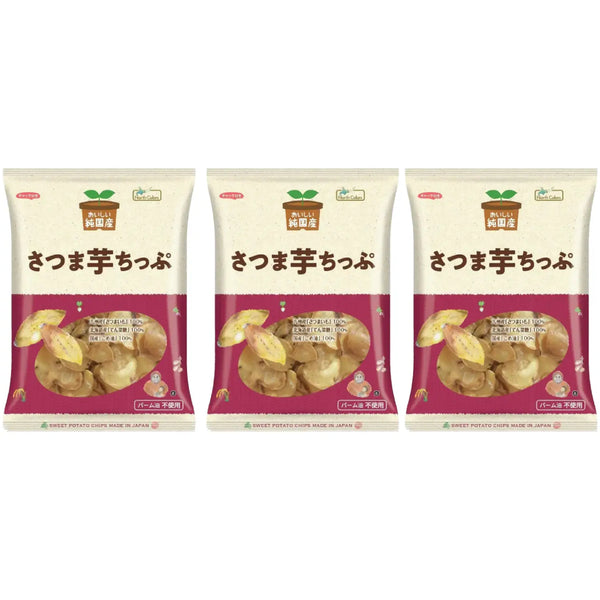
North Colors Additive-Free Satsumaimo Sweet Potato Chips
Simple sweet potato chips made with just a few natural ingredients, highlighting the true flavor of Japanese satsumaimo. A clean and wholesome alternative to regular chips.
Pros
- Only 3 natural ingredients
- Additive-free
- Crunchy texture
Cons
- Purely sweet potato flavor
- Small portion



If you’re into healthy snacks, we’ve rounded up the 9 healthy Japanese snacks for you to try!
Which Japanese snack have you tried, and which one do you want to try next? Grab a mix of your favorite snacks or our Japanese snack box and dive into a variety of tasty Japanese treats. Perfect for movie nights, chilling at home, or gifting to someone awesome!